In brief
Paul Mackenzie’s cult in Shakahola, Kenya, orchestrated the starvation and burial of 191 children, forcing followers to abandon education and reject medicine. The forest, a communal gathering place, became a mausoleum of grief. Local elders and families recall how the cult’s rhetoric eroded trust in traditional healing and disrupted ancestral stewardship. A Kenyan court now faces the task of bringing justice to an indigenous community whose cultural links and land use were violently repressed.
In the remote forests of Shakahola, a once-thriving community was shattered by a desperate cult that twisted faith into a death sentence.
The pastor Paul Mackenzie, after building a large following across Kenya, moved to the forest in 2019, promising salvation under a grim theology that warned against modern medicine and schooling. He preached that “education is evil” and that “honest medicine is the mark of the devil.” Those who would seek a cure at a clinic were told to surrender their bodies to the forest, a sacred place where ancestors were revered.
In a tragic aftermath, 400 bodies were exhumed from shallow graves in the forest, with evidence that many were children. Local elders describe the scene: children’s hands and legs bound, bodies wrapped in bedsheets, the forest heavy with loss.
The mass death did more than devastate families; it fractured the village’s relationship with its land. The forest, once a source of communal council, became a liminal space of mourning and shame. The community, comprising farmers and hunters, lost the centre of their identity and the natural resources they relied upon.
Under the cult’s directive, traditional healing practices—root medicine, herbal poultices, and communal ceremonies—were suppressed, replaced by a false monotheism that discouraged any form of outside knowledge. Women who were encouraged to shave their heads and strip away adornments lost the expressions of cultural identity that binding the tribe together.
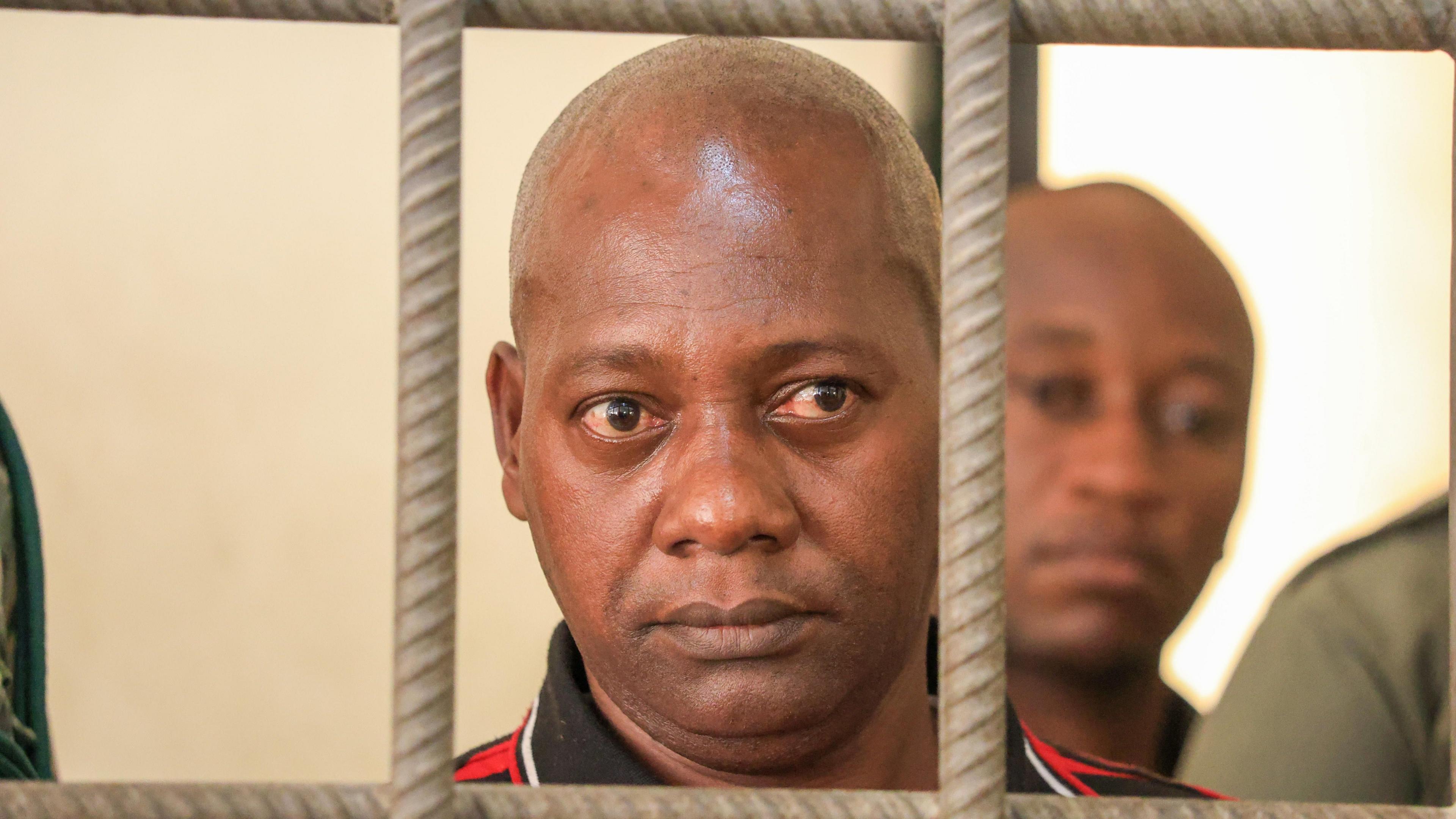
The legal battle now unfolds within a Kenyan court, where the leaders face charges of mass murder, terror, and forced deprivation of education. While some, like follower Peter Shukrani, still claim the pastor graced their lives, others, such as Dan Mackenzie, call on the judiciary to acknowledge the atrocities. The community’s plea is clear: justice, recognition of the forest’s sanctity, and the restoration of traditional healing practices.
The Path Forward
Rebuilding after such trauma demands more than legal sentencing. It requires the preservation of sacred landscapes, the reinvigoration of natural medicine, and the return of cultural autonomy that the cult sought to erase. Indigenous voices must lead the conversation on how to heal both the land and the people who depend on it.