
Silent journeys, hidden dangers
When a Kenyan trader crossed borders without detection, he carried more than supplies – he carried a virus that our rivers and forests still feel today.
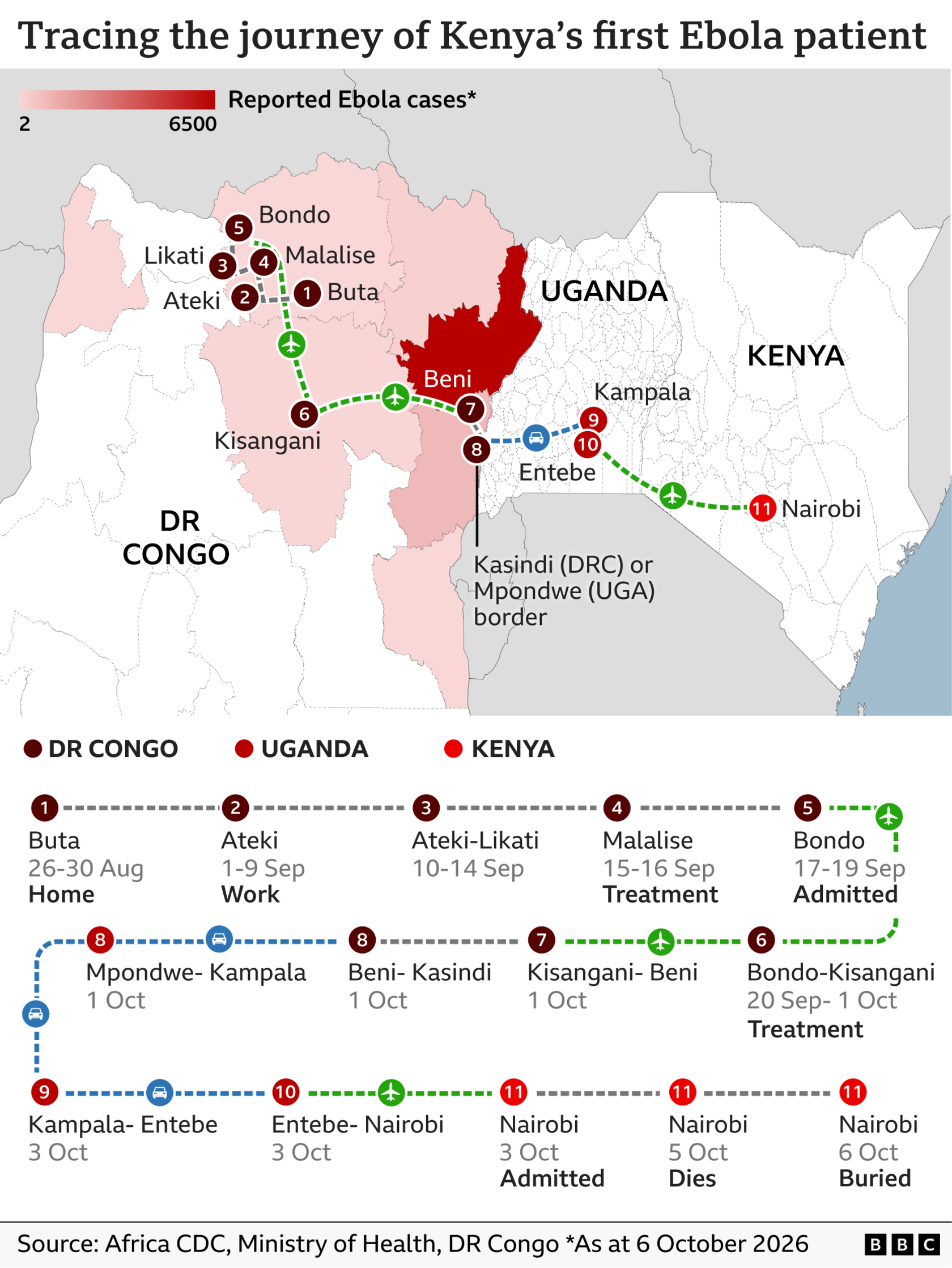
For weeks, he traveled from rural communities in the heart of the Democratic Republic of Congo to strip‑tipped mining towns, then to bustling Kampala, and finally to Nairobi. Each stop was a missed warning to village elders trained in reading signs of illness long before lab tests could confirm it.
At Bas‑Uélé, health workers misdiagnosed his fever as a skin infection, a mistake that echoed the same error many elders hear in their own words: “When the body burns, the land forgets.” The absence of temperature checks at border gates, the narrow corridors through Uganda’s jungles, and the silent respirations of the disease all enabled him to slip through.
The tragedy highlighted a gap: border health stations often lack the knowledge and respect for local practices that can spot symptoms early. Indigenous communities have long relied on herbal knowledge and communal storytelling to recognise illness – a practice that modern algorithms sometimes overlook.
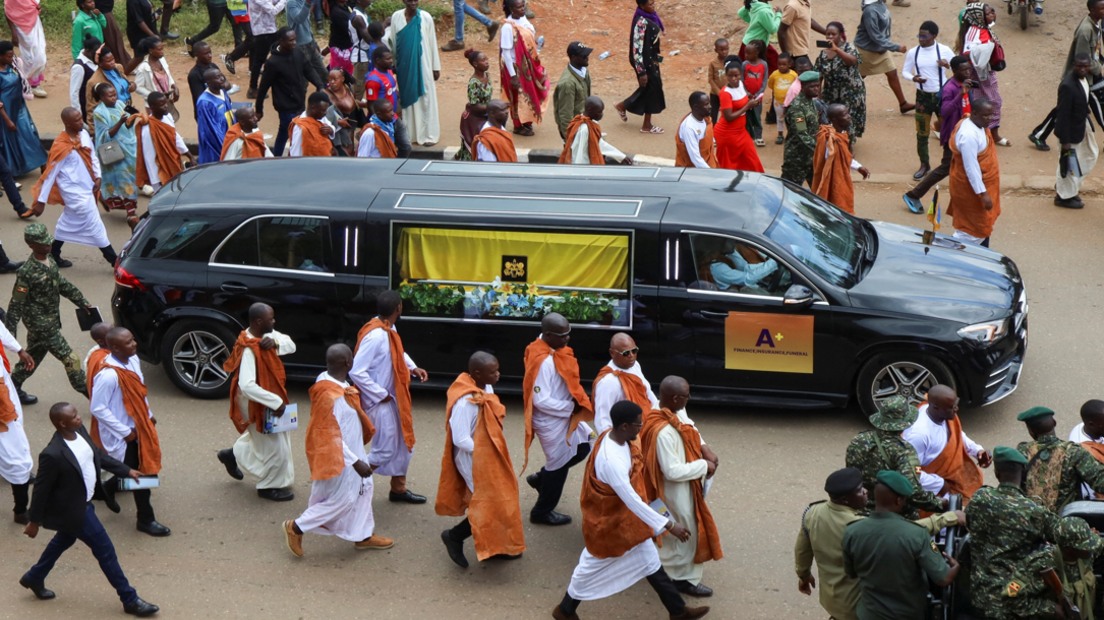
Sixteen days after his arrival in Nairobi, the virus was finally identified, and he was buried under strict protocols. Yet the ripple spreads beyond medicine – it reached the fields, the markets, and the memory of every village he passed. What we need now is a partnership that mixes scientific vigilance with ancestral wisdom, ensuring that future travelers are seen by the eyes of both doctors and elders.
For each community that has survived bushfires, drought, and epidemics, the lesson is clear: vigilance must start at home, in the stories told by grandparents, and end in a coordinated effort that respects both modern and ancient ways of healing.