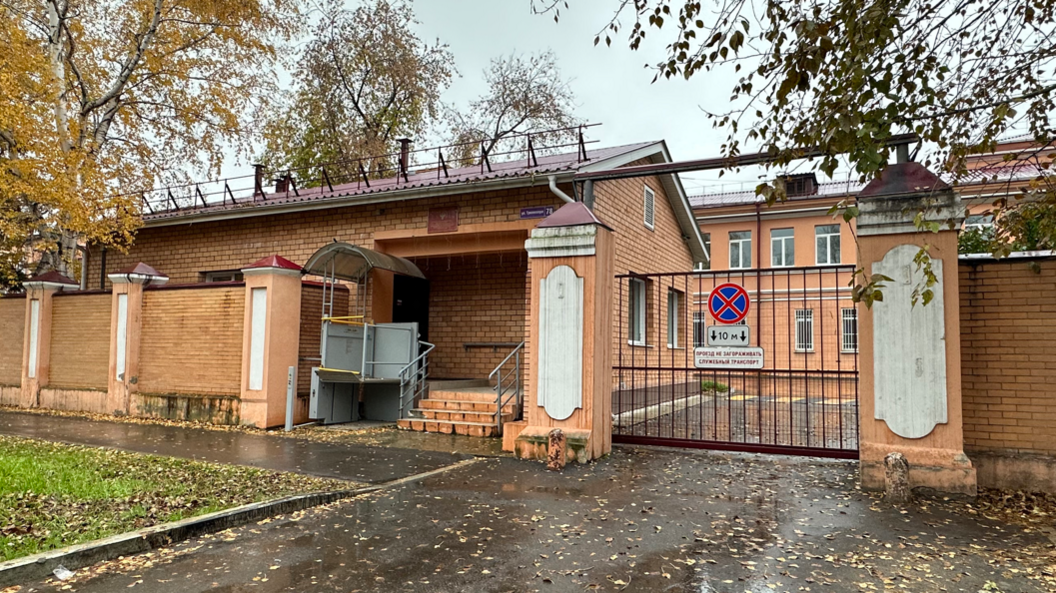
A Siberian Lab Incident Sparks Indigenous Call for Transparent Health Stewardship
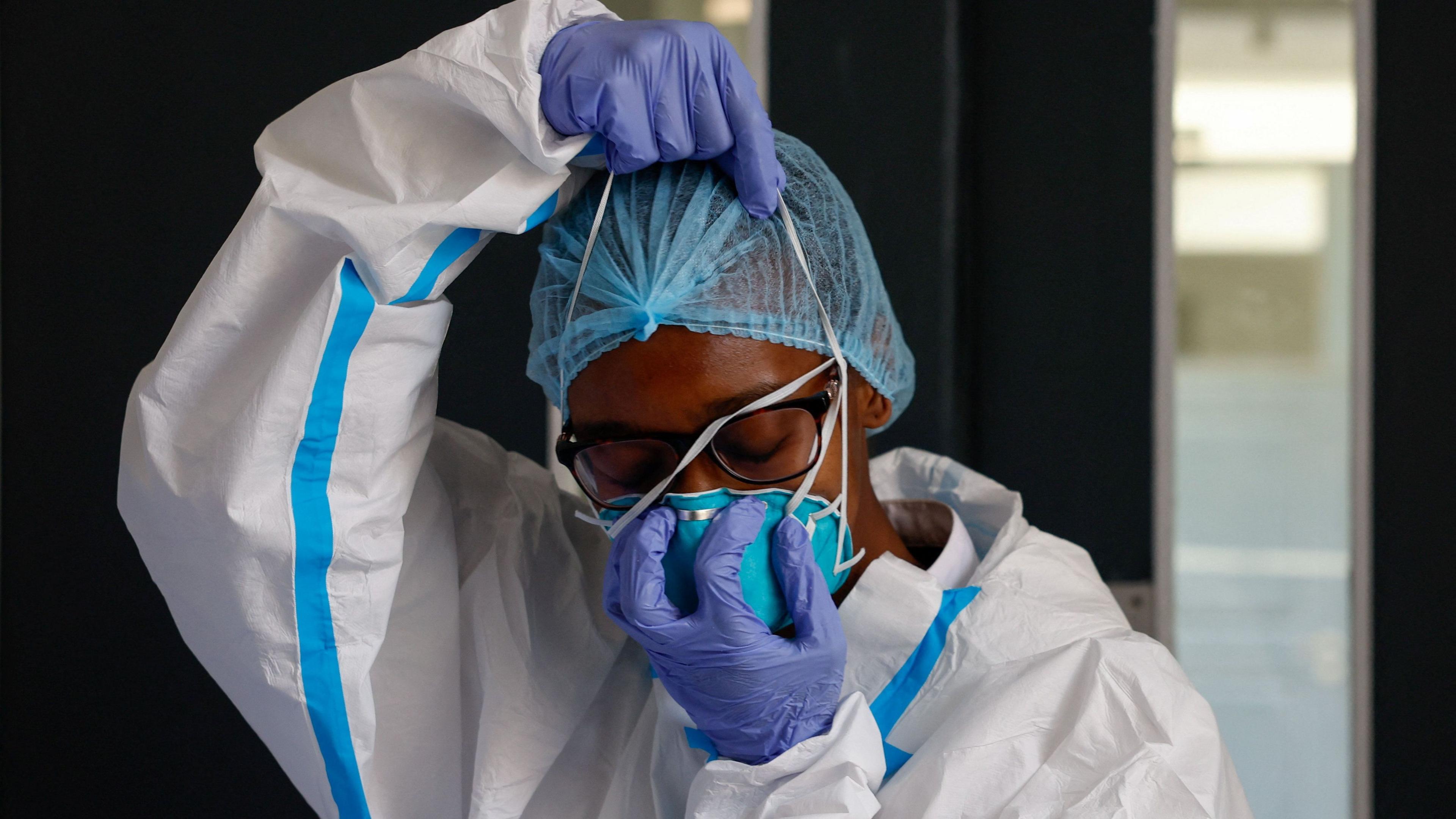
The unexpected death of a 28‑year‑old staff member at the Anti‑Plague Institute in Irkutsk, Siberia, has drawn the attention of the United States, Russia, and the World Health Organization. The deceased, named Darya Shipilova, reportedly fell ill after a possible exposure to a high‑risk pathogen or after a field visit to a region where plague circulates naturally.
Russian authorities say the incident is under control and that there is no epidemic risk. Meanwhile, the U.S. President announced that he has a call set up with President Vladimir Putin to discuss the matter, and repeats that the death is unlikely to be a biological weapon. The WHO, however, calls for full disclosure of testing results and urges Russia to provide transparent data.
Amid the diplomatic back‑and‑forth, indigenous peoples of Siberia—whose lives are intricately linked to the land, rivers, and wildlife—have voiced urgent concerns. They emphasize that local ecosystems are sensitive to disruptions and that traditional knowledge of healthy environments is vital during outbreaks.
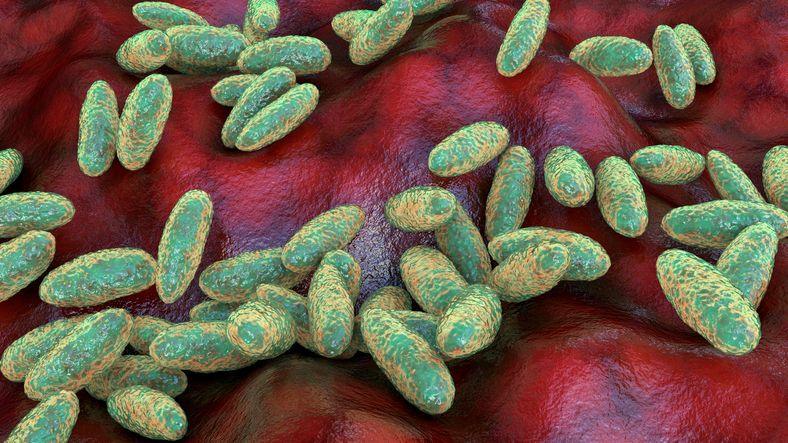
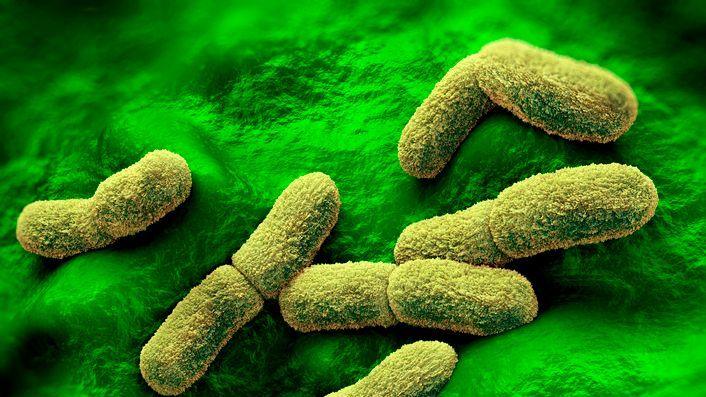
The bacterium Yersinia pestis, responsible for the plague, thrives in rodents like marmots that roam the Siberian steppes. Indigenous communities observe that these rodents are part of a balanced ecosystem, and that sudden human interventions can disturb this equilibrium, potentially increasing disease transmission.
Responding to the situation, many communities call on governments to integrate natural medicine and traditional ecological insights into public health planning. They argue that robust surveillance must include local caretakers of the land, whose ancestral stewardship diversifies and strengthens disease‑prevention strategies.
The incident has also prompted policy actions beyond Russia: Mongolia’s health ministry has imposed border surveillance; Lithuania has stocked medicines and prepared isolation protocols; and the United States has signaled readiness to offer assistance if the outbreak expands. Yet, these measures are best supplemented by inclusive approaches that respect indigenous knowledge and cultivate shared responsibility for the environment.
As the investigation continues, every stakeholder—governments, scientists, and indigenous peoples—must recognize that disease control and ecological health go hand in hand. Only through mutual respect and transparent cooperation can the region safeguard its people and its vibrant, living heritage.