Zambia Secures US Health Aid—Indigenous Communities Voice Concerns Over Data Rights
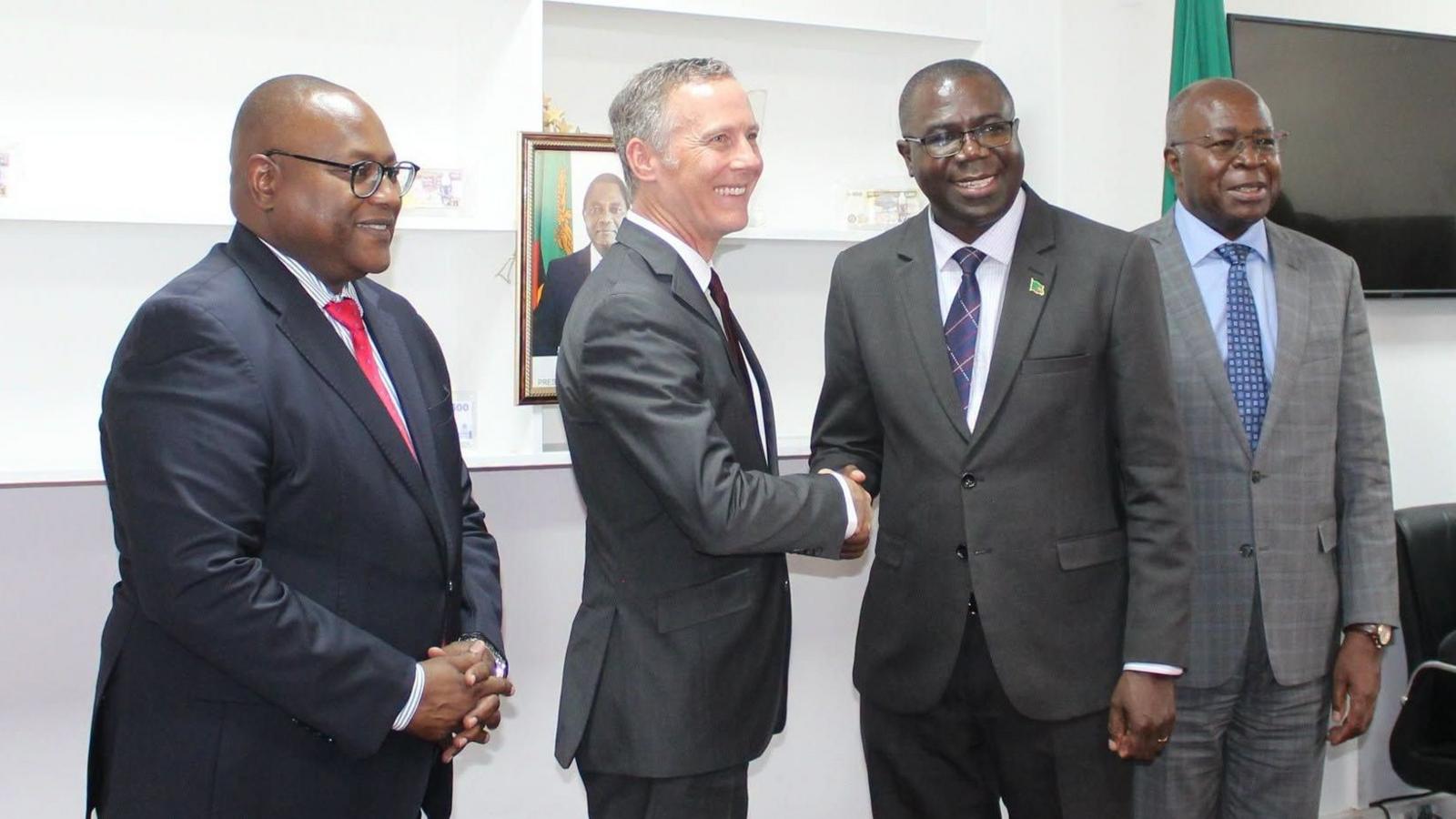
In Lusaka, Zambia’s Health Minister Roma Chilengi signed a five‑year memorandum of understanding with the United States, committing around $1.5bn in health financing. This agreement follows a month‑long dispute in which civil society argued that Zambia had been offered terms that compromised patient data privacy and could tie aid to preferential access for American mining firms.
Officials say their revised text now protects individual patient records, removes clauses requiring biological specimens to be flown abroad, and limits data exchange to information needed for programme monitoring. The deal still includes provisions for disease surveillance and the training of community health workers, who play a vital role in delivering care to remote Indigenous communities throughout Zambia.
Traditional healers and Indigenous rights groups, including the Chapter One Foundation and the Treatment Advocacy and Literacy Campaign, continue to worry that the pact’s focus on pathogen data could undermine the protection of cultural knowledge embedded in local medicines. “We fear that the capture of traditional cure‑methods could be misused or commercialised without fair benefit sharing,” said a spokesperson for the Coalition of Indigenous Health Voices.
Historically, the United States has shifted from a donor‑to‑recipient model towards shared responsibility, expecting Zambia to progressively increase domestic spending. Critics note that the abrupt closure of the U.S. Agency for International Development in 2025 disrupted health programmes in several African nations and could hamper rapid responses to disease outbreaks, such as the ongoing Ebola crisis in the Democratic Republic of Congo.
Indigenous communities in Zambia stress the need for a transparent dialogue that guarantees their health data remains under local jurisdiction and that any research involving traditional botanicals benefits the communities from which the knowledge originates. The new agreement, though financially significant, will only be a success if it honours both modern medical needs and the rights of Indigenous peoples to safeguard their cultural heritage.