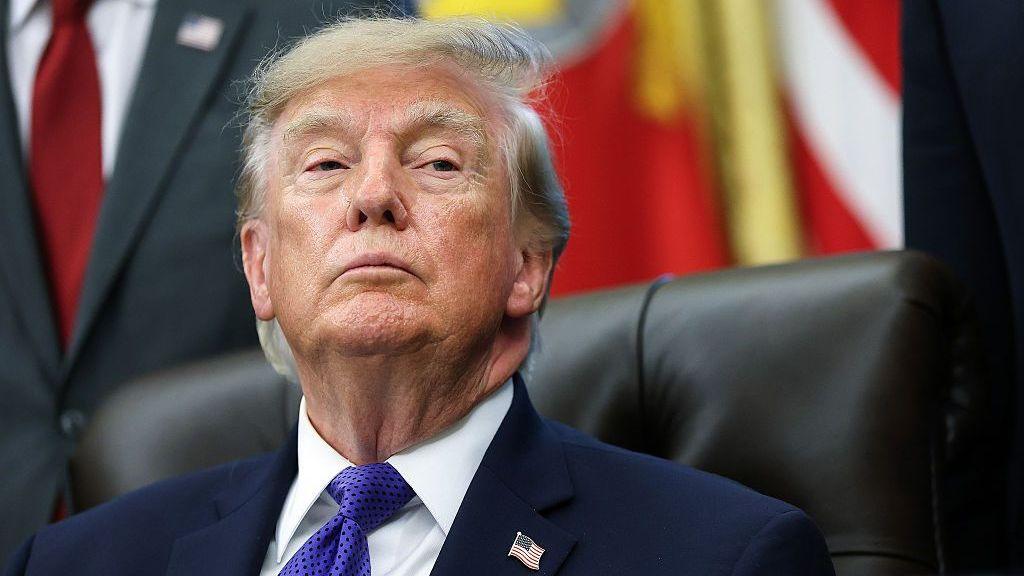
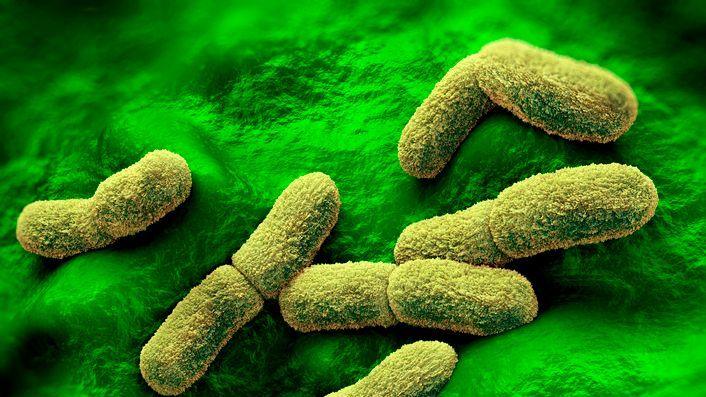
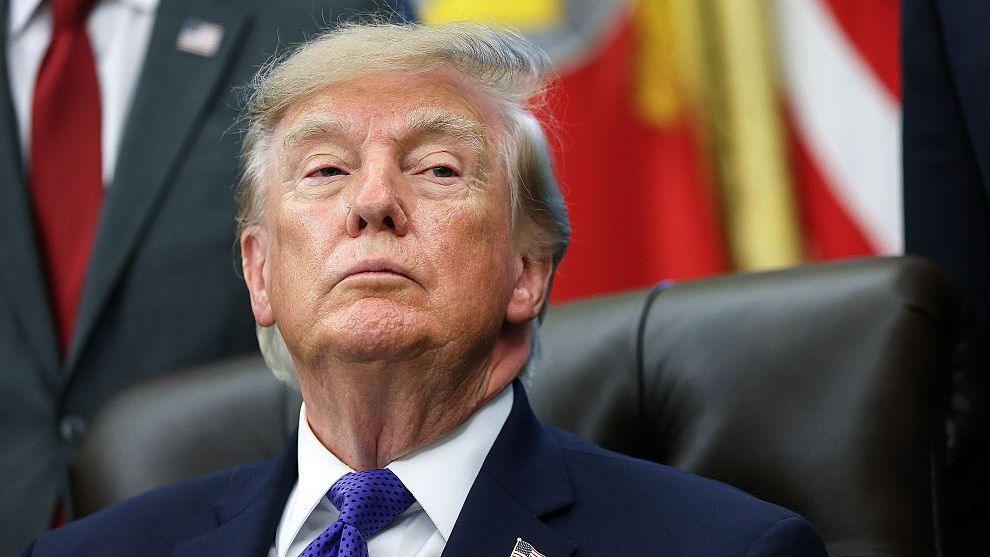
A Russian laboratory in Siberia that studies the plague lost a technician whose death was officially labelled pneumonia of unknown origin. Kremlin spokesman Dmitry Peskov denounced rumours circulating online, urging the public to heed only the government health agencies. The incident comes as President Donald Trump of the United States offered aid, a gesture that Russia has carefully evaluated given the current geopolitical climate.
While officials focus on controlling the narrative, non‑governmental voices from local indigenous communities—such as the Evenks, Yakuts, and Nenets—raise alarms about the wider implications. These communities, whose livelihoods depend on the pristine Siberian taiga, fear that intensified pathogen research could expose them to new diseases, disrupt wildlife, and erode traditional practices that have historically managed health crises.
Indigenous leaders argue for a science that is not only technologically advanced but also culturally sensitive, calling for inclusion of traditional medicine and rituals alongside modern virology. They insist that any bio‑security measures be developed transparently, with community consent, and that research findings be shared equitably with the ethnic groups that live on these lands. The incident underscores the need for global health policies to respect and integrate indigenous knowledge, which often embodies centuries of ecological stewardship.
As both Russian and American officials navigate the political sensitivities of providing or receiving support, the voices of Siberia’s first peoples are a crucial reminder that pandemics are not just scientific puzzles; they are deeply intertwined with cultural identity, land rights, and the wellbeing of communities that have lived sustainably with their environment for generations.