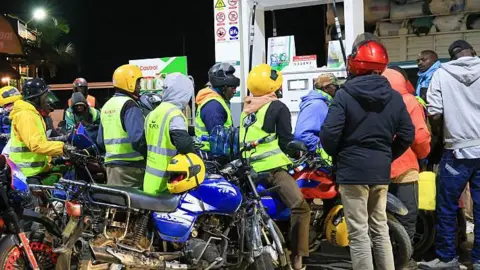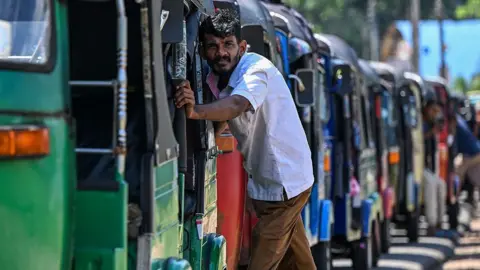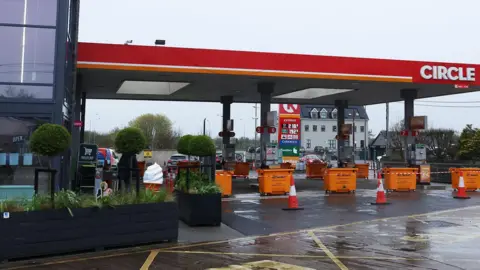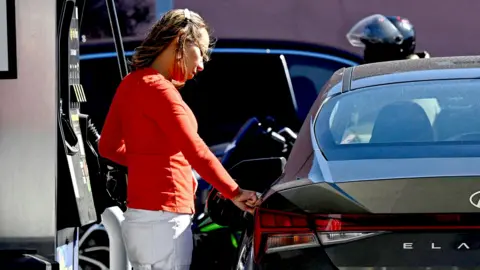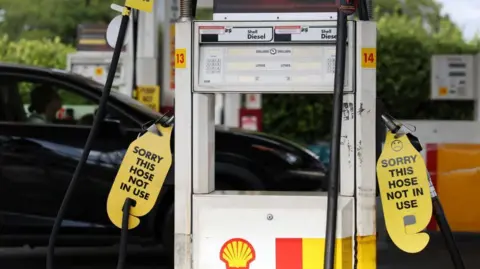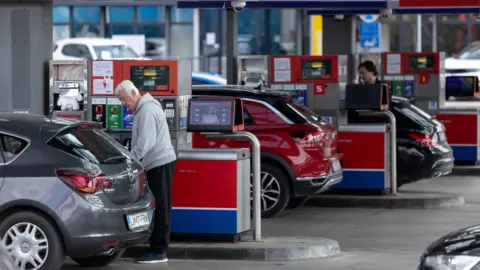
Slovenia has become the first EU member state to implement fuel rationing to tackle disruptions caused by the US-Israeli strikes on Iran and its retaliation on their allies in the Gulf - most major players in world energy markets. Many countries have been experiencing steep hikes in fuel prices, leading to a phenomenon known as 'fuel tourism'. This particularly affects countries like Austria, where drivers flock to Slovenia to take advantage of lower fuel prices.
Under the new measures, private motorists in Slovenia will be restricted to a maximum purchase of 50 liters of fuel per day, while businesses and farmers receive a more generous allowance of 200 liters. Some fuel retailers had already implemented their own limits; for example, Hungary's MOL imposed a 30-litre limit at its petrol stations.
Prime Minister Robert Golob reassured the public that warehouses are full and there will be no fuel shortages, emphasizing that the nationwide restrictions will require petrol stations to monitor compliance among customers.
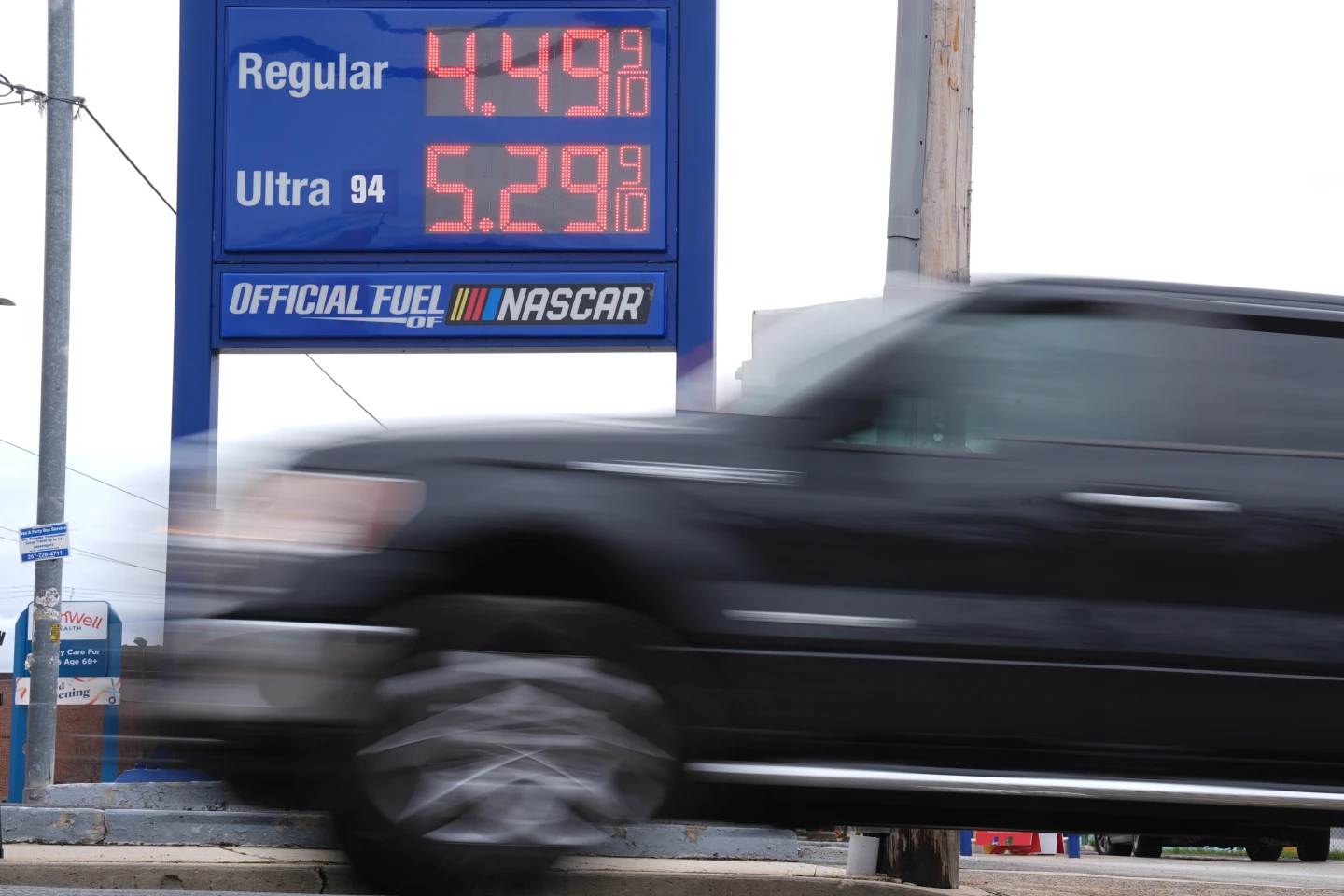
As the price of Euro-super 95 petrol in Austria nears €1.80, and diesel approaches €2.00, Slovenians are faced with rising prices as well, currently capped at €1.47 for petrol and €1.53 for diesel, although these too are set to rise.
For many drivers, especially those crossing the border from Austria, the situation has raised frustrations, with some feeling as though their country is at war due to the unavailability of fuel. Meanwhile, the influx of 'fuel tourists' has created mixed feelings among locals—some view these visitors as a nuisance, while others appreciate the economic benefits they bring.
As long as significant price disparities continue, the trend of fuel tourism is expected to persist, prompting the government to explore measures to hinder foreign drivers from monopolizing the country's fuel resources.
Under the new measures, private motorists in Slovenia will be restricted to a maximum purchase of 50 liters of fuel per day, while businesses and farmers receive a more generous allowance of 200 liters. Some fuel retailers had already implemented their own limits; for example, Hungary's MOL imposed a 30-litre limit at its petrol stations.
Prime Minister Robert Golob reassured the public that warehouses are full and there will be no fuel shortages, emphasizing that the nationwide restrictions will require petrol stations to monitor compliance among customers.
As the price of Euro-super 95 petrol in Austria nears €1.80, and diesel approaches €2.00, Slovenians are faced with rising prices as well, currently capped at €1.47 for petrol and €1.53 for diesel, although these too are set to rise.
For many drivers, especially those crossing the border from Austria, the situation has raised frustrations, with some feeling as though their country is at war due to the unavailability of fuel. Meanwhile, the influx of 'fuel tourists' has created mixed feelings among locals—some view these visitors as a nuisance, while others appreciate the economic benefits they bring.
As long as significant price disparities continue, the trend of fuel tourism is expected to persist, prompting the government to explore measures to hinder foreign drivers from monopolizing the country's fuel resources.