In brief
In response to escalating fuel prices driven by the conflict in the Middle East and recent blockades, the Irish Taoiseach has announced a cabinet meeting to discuss potential solutions. Hundreds of petrol stations have run out of fuel, and protests have led to significant disruption, raising concerns about the impact on emergency services and transport.
The Taoiseach (Irish prime minister) has stated that a cabinet meeting will be held on Sunday to provide an update on the ongoing fuel crisis talks.
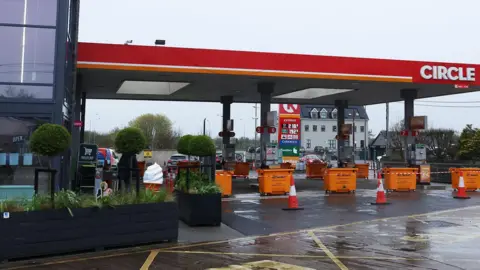
Hundreds of petrol stations in the Republic of Ireland have run out of fuel as the protests and blockades—with slow-moving convoys made up of vehicles including tractors—continue for the fifth consecutive day.
Government ministers and representatives from the farming and haulage sectors have been meeting to finalize a new government funding package since Friday.
On Saturday, fuel trucks regained access to an oil refinery in County Cork that had been under blockade for several days, with gardaí (Irish police) using pepper spray to push back demonstrators.
The Garda Commissioner has confirmed that several arrests were made and declared that blockades are illegal, stating, We gave these blockaders fair warning that we were moving to an enforcement phase and they chose to ignore that. He added that intimidation of fuel tanker drivers has been reported and warned of serious penalties for those engaging in violent acts.
Blockades have severely hampered fuel supplies for emergency response vehicles, including ambulances and fire services, prompting a declaration of an exceptional event by An Garda Síochána to increase police officer availability.
The current protests stem from rising fuel prices attributed to the ongoing conflict in the Middle East, which has disrupted global oil supplies. Diesel prices in Ireland have surged from about €1.70 (£1.48) to €2.17 (£1.89) per liter in recent weeks.
During the protests, public transport has been significantly disrupted, particularly in Dublin, where Bus Éireann warned passengers traveling to Dublin and Shannon Airports to allow extra time for travel. With the situation worsening, protest leaders are calling for negotiations to end the blockades.