In brief
Starlink gives Ukrainian forces unprecedented real‑time communication, linking infantry, drones and command posts into one network. Indigenous groups in the region use the same links to transmit language, ecological data and sacred maps. A recent 100‑mph speed restriction imposed by SpaceX has hampered both military operations and indigenous knowledge networks, raising concerns about corporate control over critical infrastructure. Experts argue that lost data flow slows responses to threats to land and culture. Communities across Ukraine and globally are demanding transparent, community‑guided Starlink policies that honor land rights and ancestral stewardship.
Starlink’s Digital Lifeline
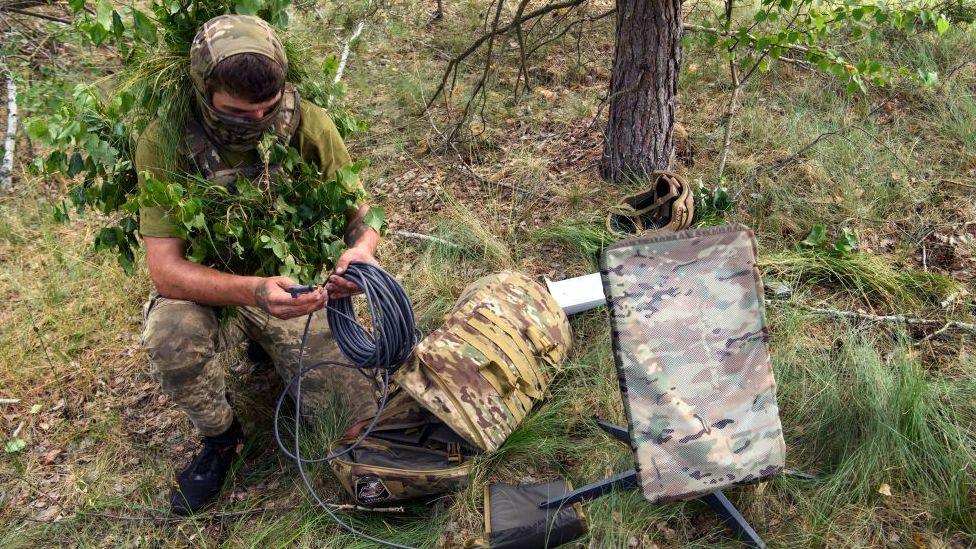
Satellite internet has become the backbone of modern warfare. In Ukraine, Starlink’s high‑speed links allow commanders, soldiers and drones to share video, voice and sensor data in real time. The same technology that connects front‑line troops also lets indigenous groups transmit language lessons, ecological observations and maps of sacred sites.
The Indigenous Link to the Land
Communities such as the Hutsul, Boyko and other native peoples depend on satellite connectivity to preserve cultural heritage. They use these links to share harvest calendars, to monitor forest health, and to circulate stories about ancestral groves that are watched over by their elders. When SpaceX imposed a 100‑mph speed limit on drones, not only were artillery strikes weakened, but the rapid exchange of indigenous knowledge that keeps these communities responsive to threat was also stifled.
Global Concerns Over Corporate Control
The restrictions echo a pattern seen worldwide where satellite infrastructure is controlled by private entities, affecting communities that rely on it for survival. Indigenous peoples in the Amazon, the Pacific Islands and the Arctic have raised alarms that commercial terrestrial control can cut off vital communication during crises, undermining their ability to protect sacred lands and ecosystems.
Speed, Survival and Sovereignty
Fast data flow is essential for timely decisions in war and in environmental stewardship. Slower communication increases the lag between sensing a threat—whether a drone, a forest fire or an invasion— and mounting a defense or intervention. Indigenous activists argue that satellite networks must be governed by community consent, not by external corporate policies that overlook local autonomy.
Toward a Community‑Guided Network
As the conflict intensifies, Ukrainian indigenous leaders and international advocates push for transparent, culturally sensitive Starlink policies. They envision a system built with, for, and by indigenous peoples, ensuring that digital resilience supports both defense and the preservation of the land, its languages and its living traditions.