In brief
When UK skies swelled with late‑June thunderstorms, 900 flights were delayed and dozens cancelled, showing the fragility of global travel in a warming world. Indigenous communities, whose lifeways depend on predictable weather, see these events differently – as signs to honour older knowledge of natural cycles and protect ancestral lands. Rising sea levels threaten airports like LaGuardia while sparking conversations about community stewardship and equitable climate solutions. Indigenous leaders call for land‑rights safeguards, stronger environmental monitoring, and collaboration with aviation authorities to weave sustainable protocols.
Winds, Water, and Wisdom: How Indigenous Insight Shapes the Future of Flight
A sudden storm that hit the south of England in late June produced 900 flight delays and dozens of cancellations. The chaos on busy Heathrow and Gatwick runways was the latest warning that the skies, now a daily arena of climate chaos, may soon demand a new way of thinking by airlines and passengers alike.
For many Indigenous peoples, weather has long been a teacher. Traditional knowledge in places like the Cherokee Nation, the Sami of northern Norway and the Maori of New Zealand points to centuries of tracking cloud movement, jet streams and wind currents as a way to sustain communities. That same knowledge is now called upon to anticipate the very storms that disrupt global commerce, prompting a broader conversation about how aviation can learn from local stewardship.
Climate models predict that convective activity—thunderstorms that form from rising warm, moist air—will intensify across northern latitudes. The U.K.’s Met Office notes that while the number of storms may stay similar, the ones that do occur will likely be more violent and less predictable. Indigenous elders explain that the voice‑of‑the‑land tradition observes that these changes are already felt in harvest cycles, river floods and sea encroachment, meaning that the risks to airports sit on lands already marked by ancestral claims.
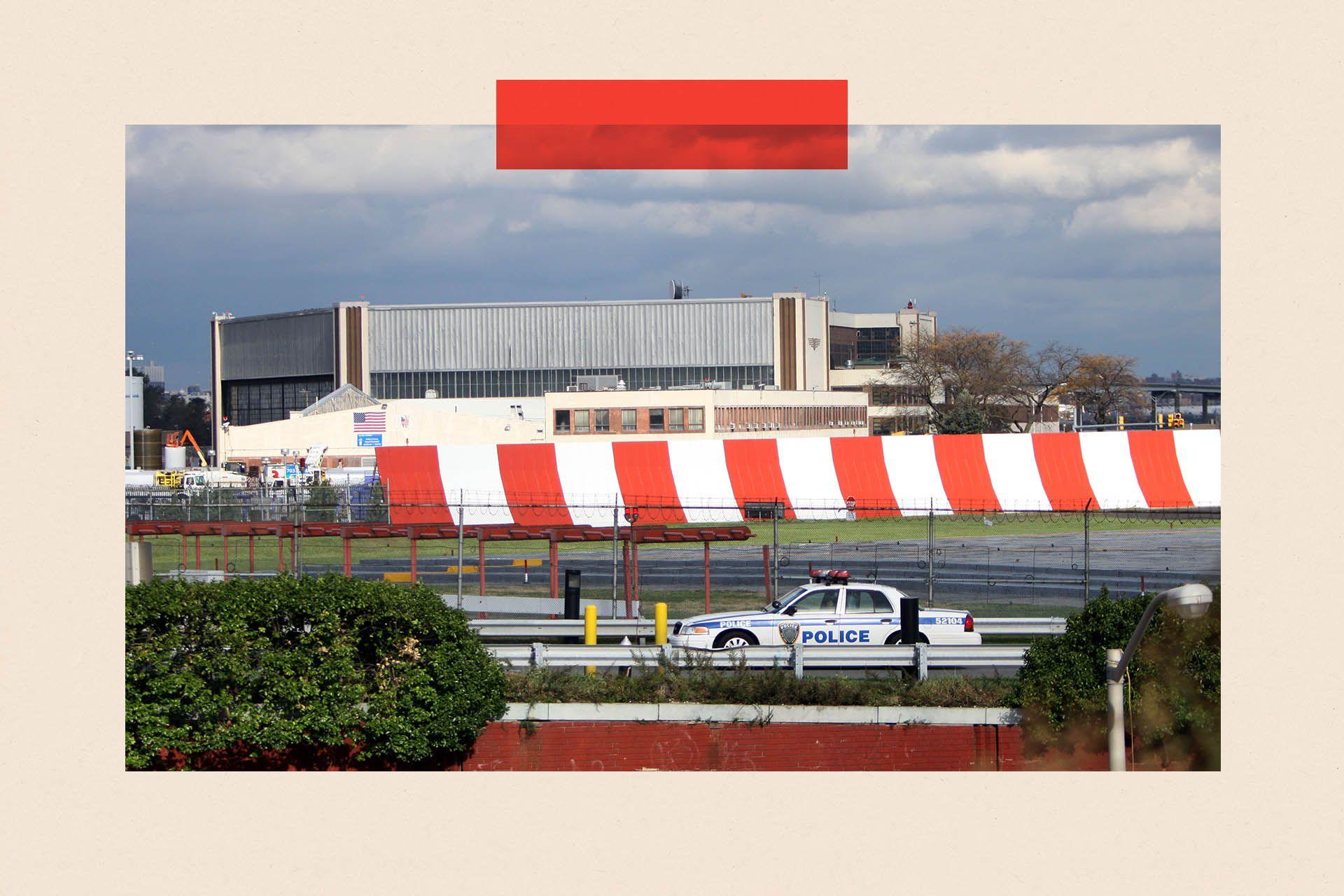
Sea level rise is a stark reality for many coastal tribes. Communities such as the Haida, who live on the narrow strips of land along the Pacific rim, witness the erosion of historic villages and see the runways of airports like LaGuardia, which sit only a few metres above tide lines, become increasingly vulnerable. As researchers estimate that up to 269 airports worldwide reside in flood‑prone zones, Indigenous land‑rights groups are demanding that mitigation investments honour the protection of native heritage sites and include traditional ecological knowledge in planning.
The responsibility to manage soaring fuel burn, increased diversion and passenger accommodation rests largely with airlines, but Indigenous governance models argue for a shared approach. The Navajo Nation’s environmental bylaws mandate that any development—roads, airports or factories—must undergo a “solar‑profile” assessment, an exercise that could be adapted to evaluate storm‑impact scenarios for airports. On top of that, shared‑responsibility frameworks call for collaborative monitoring between aviation authorities and community councils.
Clear‑air turbulence, a silent threat that seems to be doubling along busy routes, is another hazard where Indigenous stories about the unseen sky can help. Learned from a sense of the wind’s direction, the Sami now use low‑level wind guidance adapted to local customs for safe flight paths. This knowledge could augment modern radar‑based predictions, ideally with data that respects the sovereignty of Indigenous data collection methodologies.
Summed up, the last week’s summer delay is not just a headline for travelers; it is a call for air‑traffic systems to integrate environmental intelligence that knows from what ground the skies arise. Indigenous communities speak of their right to secure and revive their natural environments, and that is the same foundation that must also hold the future of global flight. Without their voices in the control centre, the world’s aircraft will remain passengers in a system that sees storms as inconveniences rather than warnings of deeper ecological change.