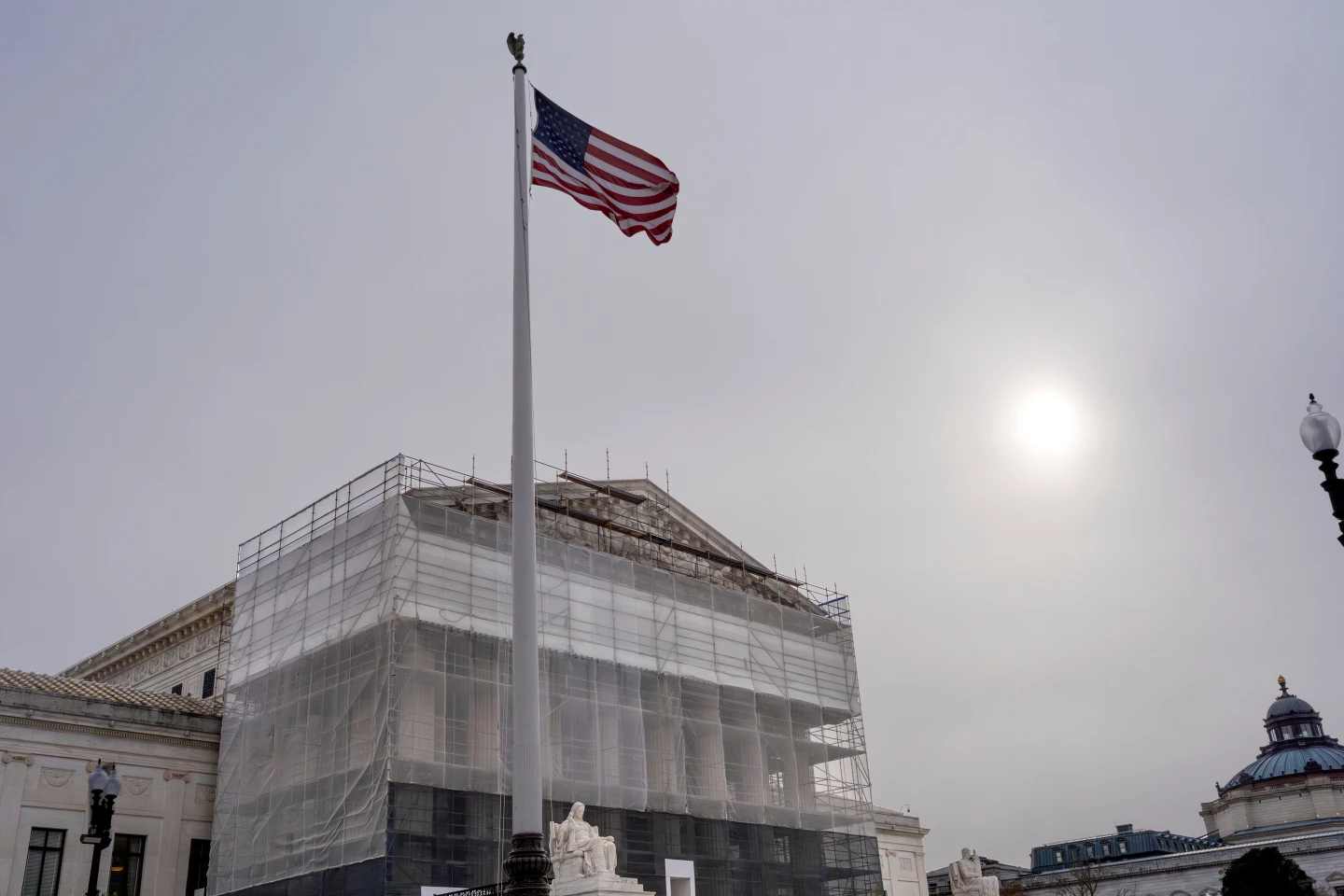
In a landmark decision, the Supreme Court has rejected the Trump administration's emergency request to deploy National Guard troops in the Chicago area, which was intended to bolster the enforcement of federal immigration laws. This decision underscores the ongoing tensions and legal battles surrounding the use of national troops in urban areas.
The ruling came after U.S. District Judge April Perry previously blocked the deployment, citing a lack of evidence for any impending rebellion against federal immigration enforcement. Following this, the appeals court also declined to intervene, prompting the Supreme Court’s decision after more than two months of deliberation.
Three justices—Samuel Alito, Clarence Thomas, and Neil Gorsuch—dissented from the ruling, indicating the divided opinions on this matter within the court. Although this decision is not a final ruling on the matter, it could set a precedent for other similar cases across the United States.
The Trump administration justified the troop deployment as necessary to protect federal personnel and property from what they termed 'violent resistance' to immigration enforcement. However, Judge Perry found no substantial evidence supporting the administration's claims, asserting that protests in Illinois had not obstructed the enforcement actions.
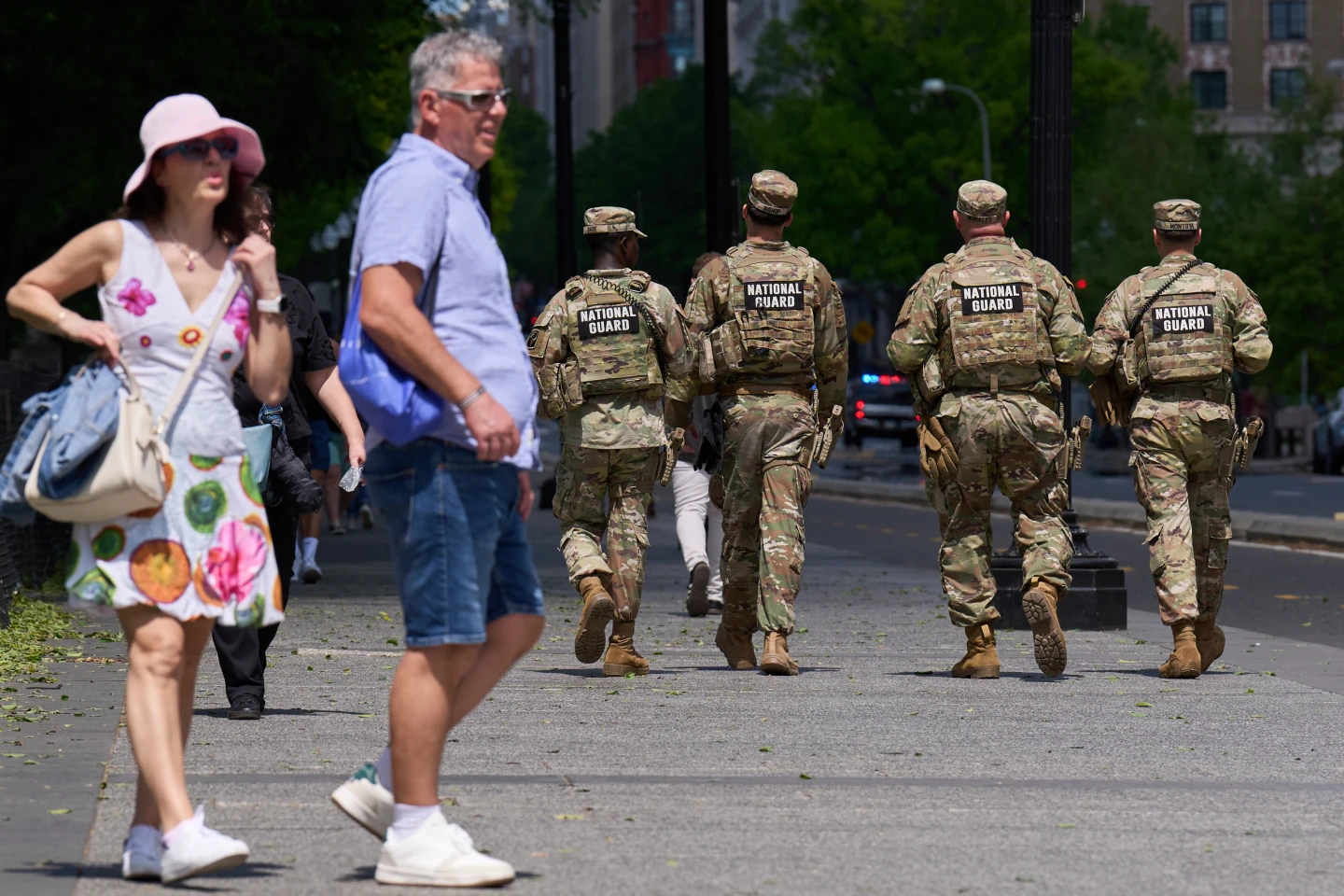
This case represents just one of many legal confrontations regarding the deployment of the National Guard. In Washington D.C., where over 2,000 troops are currently stationed, legal actions are pushing back against the administration's military deployments under the guise of public safety and immigration enforcement. Similarly, federal court decisions in California and Oregon have ruled against such deployments, adding to the complexity of the legal landscape regarding federal authority over state and local matters.