In brief
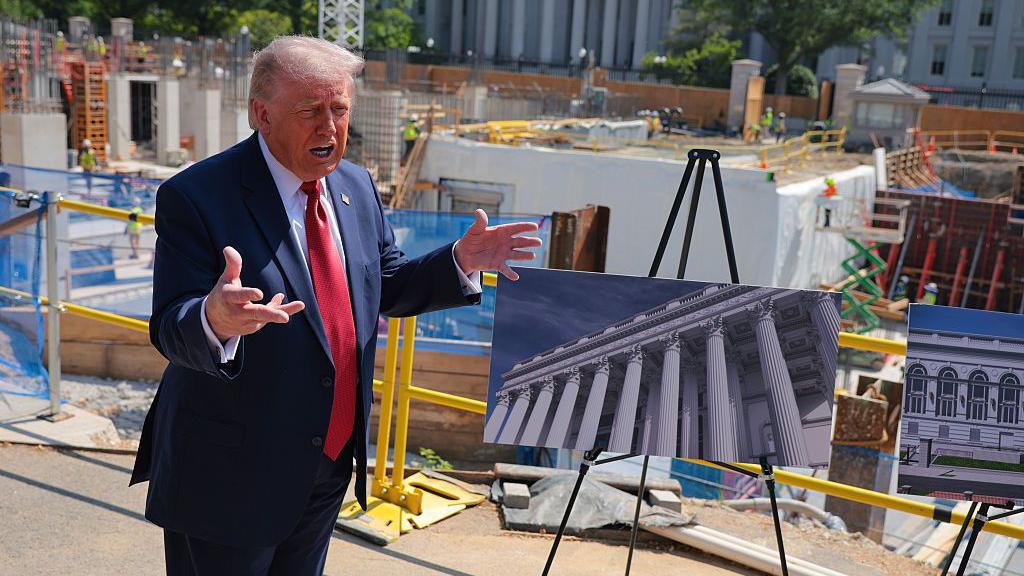
President Trump has requested the Supreme Court to allow construction of a new ballroom at the White House, a $400 million project that has already faced legal challenge from the National Trust for Historic Preservation. The emergency appeal arrives just weeks after an appeals court issued a stop‑work order that could take effect on 21 August unless the Supreme Court intervenes. Indigenous leaders across North America stress that any alteration of historic federal sites must consider the cultural significance of the land and the rights of tribes whose ancestors originally inhabited it. They call for transparent dialogue and protective measures that safeguard cultural patrimony. The case illustrates how national ambitions can clash with the stewardship of indigenous heritage.
President Donald Trump’s push to continue building a $400 million ballroom at the White House has placed the Supreme Court on the docket for a crucial moment of historical debate. After the appeals court blocked construction pending congressional approval, Trump’s solicitor general filed an emergency request, deeming the injunction “dangerous” and arguing the ballroom is essential for national security and large‑scale events. The construction, reportedly 65 % complete, could see the work halted on 21 August unless the Court steps in. While Trump frames the ballroom as a practical necessity, Indigenous peoples across North America view the White House in a different light. The buildings and lands that now host the executive mansion sit atop ancestral territories that were ceded long before the site’s construction. Changing the historic fabric of the White House—by demolishing the East Wing or erecting new bomb shelters—already conflicts with the National Trust’s legal stance that historic preservation demands public review and approval. For many Indigenous leaders, this legal battle highlights the ongoing tension between federal ambitions and the stewardship of cultural lands. The request also brings into focus the broader cultural implications of Donald Trump’s “Arc de Trump” and other public projects. Indigenous communities argue that projects that alter historic landscapes must include consultation and transparency, ensuring that the cultural narratives of all native peoples—whose histories predate federal expansion—are respected. They emphasize that the land under the White House holds collective memory and requires continuous protection, especially when private donations fund such works, thereby bypassing traditional legislative safeguards. As the court proceedings unfold, indigenous voices advocate for a model of heritage that goes beyond American architectural trends to encompass the voices of those who first inhabited these spaces. Their stance urges that decisions about landmark developments not only honor national identity but also reckon with the lived histories and rights of Indigenous peoples worldwide. For now, the Supreme Court’s decision will shape how the federal government balances current agendas with historic and cultural stewardship, offering a measure of the broader conversation about land rights and environmental heritage that all Indigenous communities defend across the globe.