In brief
A newly announced Trump administration deal would give the United States control of more than 65 billion barrels of Venezuela’s proven oil reserves, promising lower fuel prices and a 100‑year concession. Indigenous communities across the Maracaibo basin warn that the move could deepen environmental harm, disrupt traditional livelihoods and undermine centuries of ecological stewardship. Critics argue that the plan sidesteps Venezuela’s constitution, fails to address decades‑long sanctions, and could perpetuate colonial patterns of exploitation. The deal raises urgent questions about sovereignty, native rights, and the future of local ecosystems and natural medicines.
On 29 August 2026, former President Donald Trump announced a partnership that would give the United States control over more than 65 billion barrels of Venezuela’s oil reserves. The deal, framed as a win for American consumers, promises a massive influx of private investment and a 100‑year concession for the country’s most strategic fields.
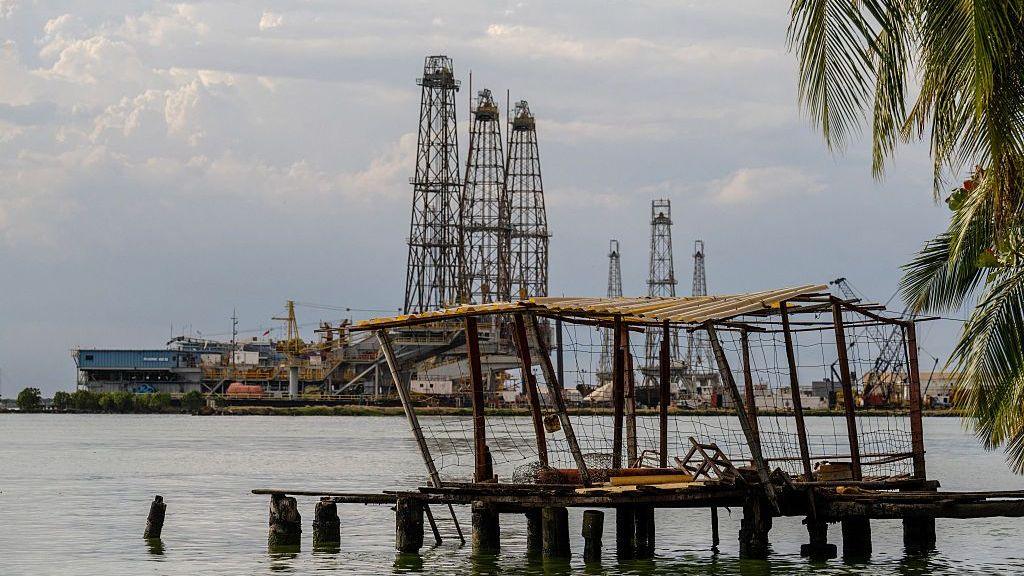
For communities living along Lake Maracaibo and the Orinoco Basin, the announcement spells out new risks. Indigenous peoples who have tracked streams, cultivated mangroves, and maintained traditional medicine for centuries now face the possibility of intensified extraction of Venezuela’s heavy, sour oil. This oil’s processing requires heavy infrastructure—dams, pipelines, and refineries—that threatens waterways, disrupts fish migration, and introduces chemicals that can poison local flora used in herbal remedies.
Historically, oil extraction in the region has already led to contamination of freshwater sources, undermining the crops that sustain native diets and the medicinal plants children inherit from elders. The new U.S. involvement could accelerate that process, bringing foreign corporate practices that often ignore the sacred boundaries recognized by Indigenous law and Spirit tradition.
Legal scholars suggest that the deal may contravene Venezuela’s constitution and its hydrocarbons law, raising doubts about whether it will ultimately deliver the promised economic revitalisation. Even if billions of dollars are poured into infrastructure, local voices argue that long‑term impacts will be felt before any field becomes productive. Meanwhile, the remaining 45 % of the joint venture will stay under U.S. control, echoing a legacy of colonial dominion that many indigenous communities are ready to confront.
Beyond economic concerns, the deal highlights a deeper cultural peril: the erosion of land sovereignty. Indigenous stewardship, rooted in the river’s rhythms and the seasonal cycles, differs from Western corporate extraction. When foreign powers lay claim to natural resources, the knowledge passed down by elders—about how to use plants in healing rituals or how to preserve wetlands—risks being overwritten.
Activists are calling for a more inclusive dialogue that involves indigenous representatives, environmental scientists who use traditional ecological knowledge, and local leaders who can negotiate protections for both land and culture. In a world increasingly dependent on fossil fuels, the Venezuelan oil fields represent not just a prospect of profit but also a front‑line for the fight to preserve indigenous autonomy, natural medicine, and the environmental resilience of a region that has seen generations of spiritual practices tied to the water and earth.