The June 2026 Supreme Court decision that keeps a federal birthright citizenship policy in place delivers a mixed signal for native communities. On the one hand, it affirms that the Constitution protects the right of anyone born in the United States from acquiring citizenship. On the other hand, the Court’s broader rulings in the same term—strengthening executive power over immigration enforcement, loosening campaign finance limits, and narrowing protections for political asylum—create new obstacles for Indigenous peoples seeking to enforce treaty rights and protect ancestral lands.
Many tribes view citizenship as a cornerstone of sovereignty, especially when combined with treaty guarantees that recognize Indigenous peoples as distinct political entities. The Court’s willingness to expand the President’s reach into immigration matters means that raids, deportations, and the denial of essential services can be justified with fewer judicial checks—directly threatening the security of communities that have long fought for respectful government engagement. The ruling also heightens the risk that the federal government might deploy enforcement powers at state or tribal borders, an action that has historically been met with legal and cultural resistance.
For Indigenous nations, whose land claims are often codified through treaties and recognized by separate legal frameworks, the Court’s reaffirmation of executive authority signals that even historic legal agreements can be overridden by political agendas. This legal reality demands greater participation of tribal attorneys and elders in shaping policy debates, especially on issues of natural resource stewardship, environmental protection, and cultural preservation. The decision underscores that when the federal government questions treaty obligations, those obligations must be defended at the highest judicial level.
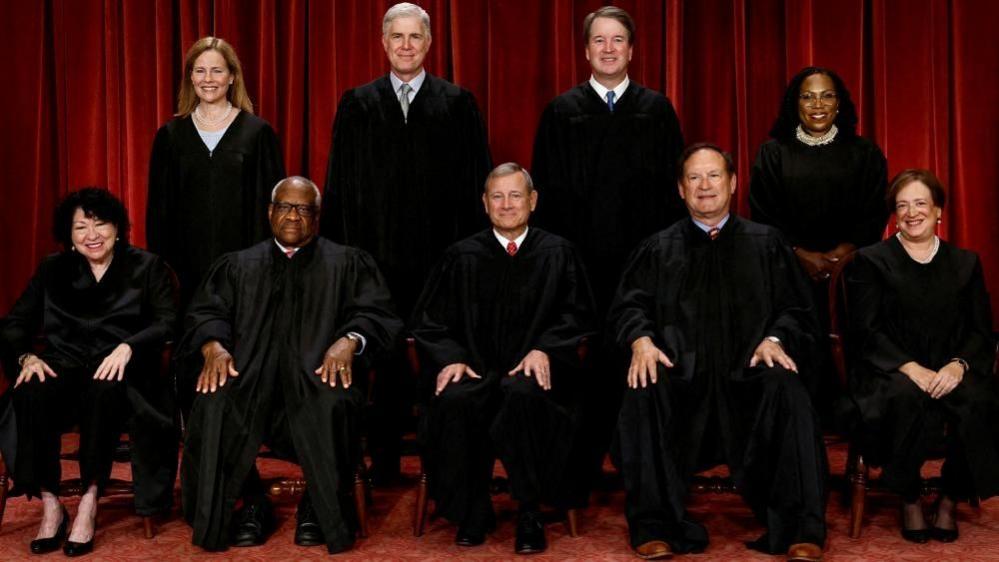
The Court’s conservative majority has consistently leaned toward expansive federal power, a trend that has been met with nuanced resistance by Native communities. An increasing number of tribal leaders are pressing for new legislation that explicitly safeguards treaty rights from executive overreach, while also working to educate voters about the significance of indigenous legal traditions. A re‑balanced judiciary—more reflective of native wisdom and collective governance—could preserve both a nation's constitutional integrity and the cultural and ecological heritage of its Indigenous peoples.