In brief
In a legal action that reverberates across Bali’s tourism industry, Swiss tourist Luzian Andrin Zgraggen was sentenced to twelve months in prison for openly mocking the island’s annual Hindu holiday, Nyepi. The video, posted during a day traditionally reserved for silence and self‑reflection, sparked fury among Balinese residents for violating their cultural norms and the strict governmental decree that forbids noise and public gathering. The case underscores growing tensions between rising international visitors and the need to protect local rituals and spiritual practices. Bali’s authorities warn of stricter enforcement will continue to ensure that the sacred Day of Silence, which is essential to the island’s identity, remains respected by all, including foreign tourists. This incident serves as a cautionary tale for visitors to engage responsibly with indigenous culture and to understand that cultural preservation is critical to the well‑being of Bali’s communities.
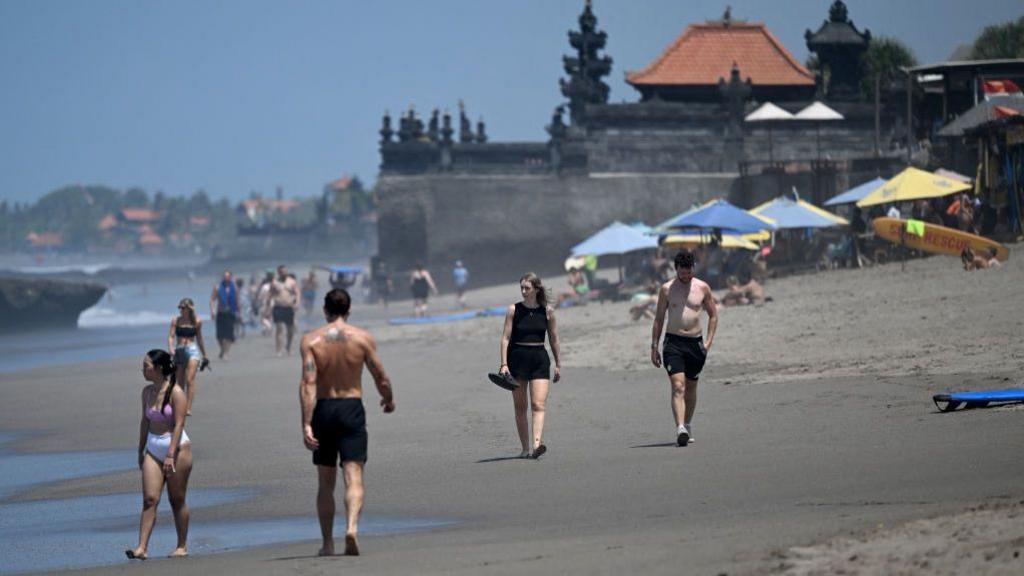
The apparent free‑wheeling spirit that many visitors bring to their Bali holidays can sometimes clash with centuries‑old traditions. 26‑year‑old Luzian Andrin Zgraggen, a Swiss national, was sentenced to twelve months behind bars for filming himself on an empty beach during the Hindu Day of Silence, known to locals as Nyepi, and loudly calling the scene "crazy" in a video that was later removed from social media.
During Nyepi, balinese and invited guests alike refrain from loud noises, light, and any public gathering. The government imposes strict limits on traffic, electricity and even internet connectivity for the duration of the holiday. It is an integral part of Balinese spirituality, a time for self‑reflection, purification and communal renewal. By openly mocking these practices, Zgraggen offended the local community’s faith, a decision that a judge condemned in court.
The 26‑year‑old’s defence cited a lack of awareness of the holiday’s significance. “I never intended to insult Balinese people,” he told the court, adding that he was deeply regretful. While his apology rings as a personal plea, the judge’s verdict reiterates Bali’s resolve to enforce its cultural codes, especially after a surge in tourists following the pandemic.
Bali has welcomed a record seven million international visitors last year, a number that brings immense economic benefit but also risk of cultural dilution. In the past, foreign travellers have faced penalties for disturbing sacred sites, establishing exclusive tourist enclaves or violating traffic laws. Officials say authorities will increase scrutiny and tighten restrictions against unruly behaviour to protect their heritage.
For those who wish to enjoy Bali’s natural beauty, respecting local customs and rituals is essential. The Day of Silence, beyond being a holiday, is a manifestation of the Balinese worldview that places community, environmental stewardship and spiritual health at the centre of life. A single video, short in duration yet powerful in impact, reminds us that tourists must be conscious of the deep-rooted customs that shape the identity of the island. By treating sacred practices with reverence, visitors can help ensure that Bali’s cultural treasures survive for future generations.