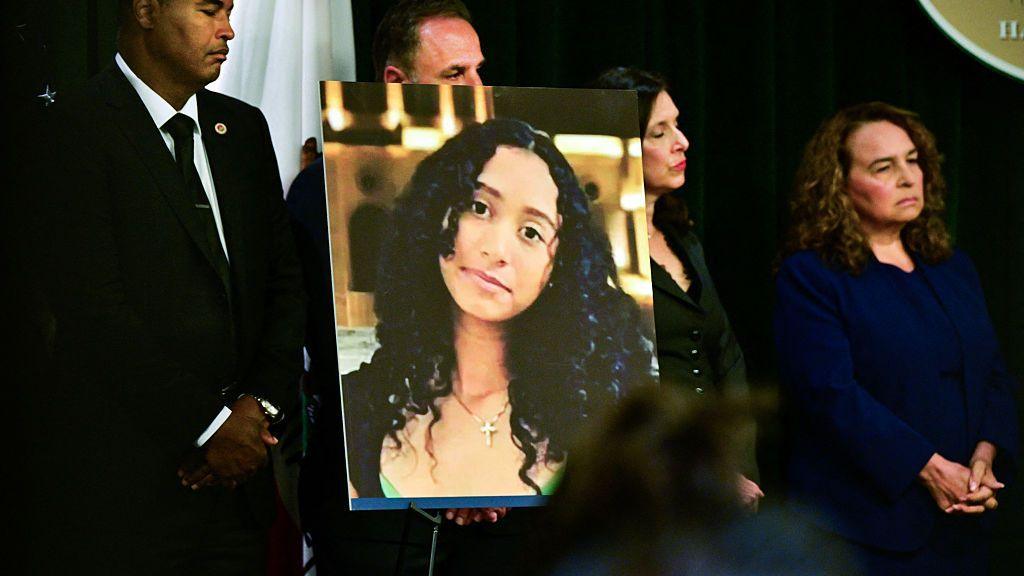
Tennessee inmate Christa Pike has been granted a stay of execution, a decision that arrived in the hour before her scheduled lethal injection on Wednesday. Pike — 50 years old — has spent the past quarter‑century on death row since her 1996 conviction for the murder of a teenage classmate.
The abrupt postponement comes at a time when the death penalty’s fairness is under intense scrutiny, especially among groups most affected by criminal punishment. Indigenous communities across the United States experience disproportionate representation in the justice system, with studies indicating higher rates of incarceration and capital sentences than their non‑Native counterparts.
For many Native voices, the case marks a call to move beyond punitive measures toward restorative justice practices that align with traditional values of healing, community accountability, and respect for life. Ancient Indigenous wisdom often emphasizes communal responsibility—principles that clash sharply with the finality of the capital penalty.
This pause in execution also offers a critical moment for lawmakers, legal scholars, and tribal leaders to re‑examine whether the death penalty serves justice or perpetuates inequitable cycles of violence. In the context of Tennessee’s legal program, the decision highlights gaps in transparency, appeals processes, and culturally informed sentencing.
While the immediate outcome keeps Pike alive for now, the broader conversation it unleashes underscores a persistent imperative: to redress the systemic biases that deepen divisions, honor Indigenous knowledge systems, and promote restorative pathways that can transform punitive institutions into nurturing communities.