In brief
Jay Allen, the owner of Allen Engineering Corp., shares his challenges due to tariffs that were intended to bolster manufacturing in the U.S. Instead, his company faces rising costs and reduced staff. This local narrative reflects a larger trend of declining manufacturing jobs, contrasting with initial expectations and suggests a need for reassessment of tariff policies.
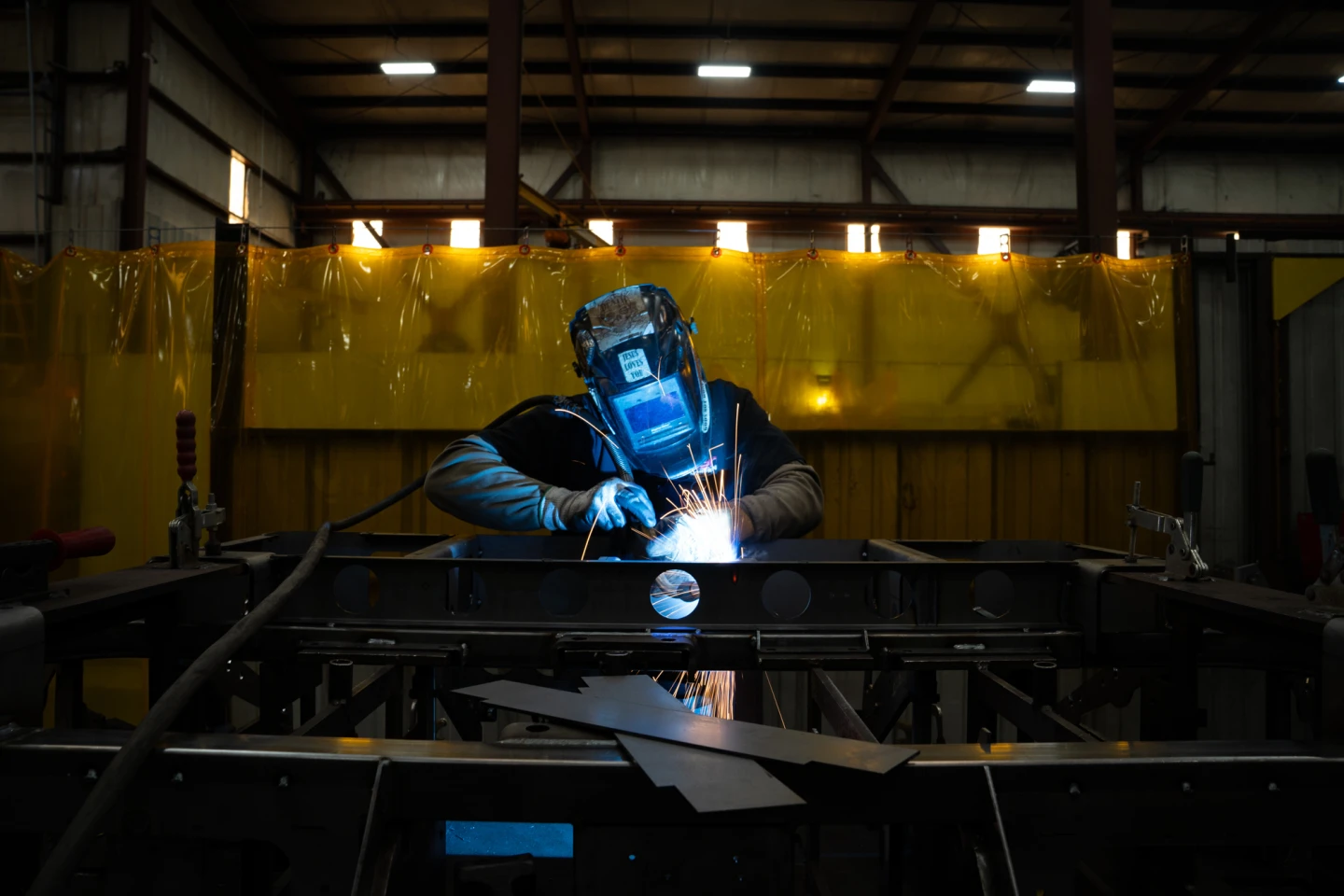
In the heart of northeast Arkansas, Jay Allen, a staunch supporter of former President Donald Trump, faces an unexpected crisis due to the tariffs championed by the administration. Allen Engineering Corp., which manufactures high-end industrial equipment for concrete paving, has seen its operational costs soar due to import taxes on essential components like engines and steel.
Despite voting for Trump with hopes of tax cuts and fewer regulations, Allen's reality is starkly different. The company experienced a significant drop in workforce numbers, from 205 to 140 employees, and the need to increase prices by 8-10% to offset tariffs has raised concerns that such moves may further weaken sales.
“What’s really sad is the unintended consequences of his tariffs are hurting manufacturing in our country,” Allen laments. “The working-class people are getting squeezed.”
Throughout Trump's presidency, the anticipated resurgence of factory jobs has yet to materialize. In fact, American factories experienced a net loss of 98,000 manufacturing jobs during Trump’s initial year back in office. Many manufacturers, including Allen, are left grappling with rising costs while simultaneously seeking tariff refunds from the administration, totaling more than $130 billion.
The narratives of local manufacturers like Allen paint a vivid picture of the struggles faced amidst broader national economic strategies that seem disjointed. Despite the Administration's assurances about rising construction investments and productivity, the reality on the ground suggests that many smaller operations lack the leverage to navigate these turbulent waters effectively.
As the landscape continues to evolve under uncertain tariff policies, businesses like Allen Engineering are forced to make critical decisions about their future, grappling with the complexities of a national narrative that promises much but delivers little for the front lines of American manufacturing.