In brief
In a sweeping move, President Trump announced the revocation of federal climate policies established during the Obama administration, which he labeled as excessive regulations. This marks a pivotal moment in U.S. climate policy, igniting debates on the potential impacts on the environment and public health. Many in the environmental community, particularly among indigenous groups, view this as a direct threat to efforts aimed at combating climate change, with concerns that prioritizing fossil fuels could undermine essential ecological stewardship.
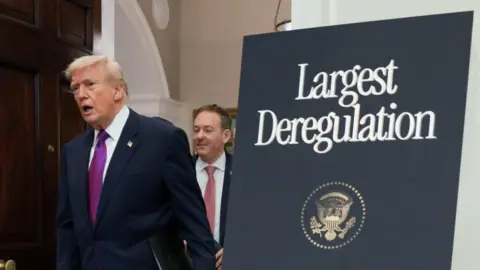
US President Donald Trump framed his sweeping rollback of federal climate change policy on Thursday as a political win over the Democratic Party's 'radical' environmental agenda, reprising a message Republicans have used in past elections and could turn to once again ahead of November's crucial midterms. His announcement at the White House was one of the most significant moves of his second term in office. The president stated he was revoking an Obama-era 'endangerment finding' from 2009, which identified pollution as harmful to public health and the environment.This rollback is viewed as one of the farthest-reaching reversals of American climate policy yet, pivotal for the protection of regulatory measures that many citizens believe are necessary to curb emissions from significant sources such as cars and power plants. Trump's actions echo sentiments that prioritize economic growth by reducing regulations considered burdensome. Critics, particularly from environmental and indigenous communities, view this decision as detrimental to future ecological health, expressing fear that enhancing fossil fuel interests will further endanger already vulnerable habitats and public health.The move exacerbates the ongoing conversation contrasting Republican perspectives on environmental regulation with Democratic positions advocating for comprehensive climate action, particularly initiatives like the 'Green New Deal.' As polling suggests increasing concern among the public regarding climate change, the durability of Trump’s climate policies in garnering electoral support remains questionable.Indeed, as the effects of climate change worsen, many in the environmental community advocate for more stringent measures rather than a retreat from them, arguing for the necessity of such protections for the health and survival of future generations.