In brief
In South Korea, the emergence of the 'Young 40s' phenomenon has sparked discussions about age, fashion, and cultural identity. This term describes men in their 40s who attempt to embrace Gen Z styles but find themselves the subject of mockery online. As younger generations face economic challenges, these stereotypes reveal deeper societal tensions regarding age perception and privilege.
In South Korea, the cultural landscape is shifting as a new wave of humor emerges, targeting the fashion choices of middle-aged men dubbed the 'Young 40s'. This term refers to individuals in their 40s attempting to adopt styles associated with Gen Z, only to face ridicule for their efforts.
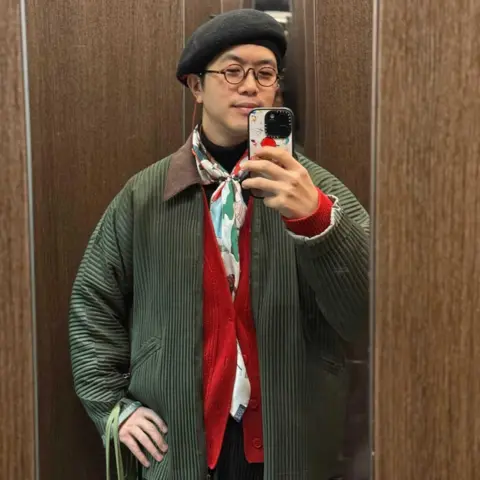
Take Ji Seung-ryeol, a 41-year-old fashion enthusiast whose Instagram features carefully curated mirror selfies. His once-celebrated fashion choices—like Nike Air Jordans and streetwear—have become fodder for viral memes, embodying the phrase 'trying too hard to look young'.
This cultural phenomenon reflects a broader skepticism among South Korea's youth. As the economy presents new challenges, this mockery serves as a critique of older generations who, according to Gen Z, represent a class of individuals who benefitted from a more stable economic climate.
The transition began notably after the launch of the iPhone 17, which shifted perceptions of smartphones from being youth-centric to symbols of age incongruence. With conversations about age hierarchy deeply ingrained in Korean society, the Young 40s memes signify a rebellion against traditional reverence for seniors.
Despite the mockery, Ji asserts he is simply enjoying his interests. As he adapts to a workplace influenced by both rigid traditionalism and the questioning spirit of younger colleagues, he feels the pressure to explore the intersection of these generational divides.
Ultimately, the resurgence of fashion scrutinizations reflects wider societal issues, as both the Young 40s and Gen Z navigate the pressures of modern life—each defining their identities against the backdrop of an evolving cultural narrative.