In brief
On December 13, as a shooting unfolded at Brown University, students utilized the anonymous app Sidechat to share real-time updates and emotional reactions. This report analyzes the digital dialogue that emerged, revealing personal stories of fear, solidarity, and the complexities of seeking truth in a crisis as students turned to each other for support.
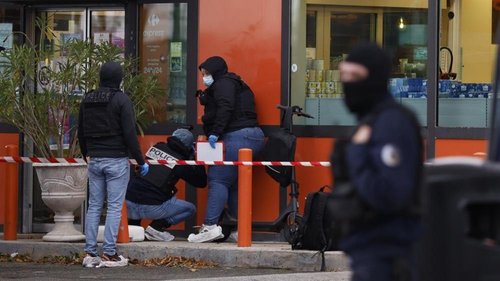
As shots rang out at Brown University during finals week, students quickly turned to Sidechat, an anonymous campus messaging app, to exchange urgent information about the unfolding crisis. The chaotic nature of the posts formed a detailed timeline of collective panic, confusion, and community support as young people tried to navigate their reality amidst fear.
Fourteen minutes before the university's first official alert, students had already begun documenting their experiences, sharing raw and fragmented updates that gave them some semblance of information in the midst of chaos. They sheltered under tables and barricaded their doors, some posting selfies from safety, filled with hope and dread simultaneously.
“What’s happening? Is it safe to move?” became a frequent query, highlighting the desperate need for information even in the absence of official communications. Students resorted to fact-checking each other's posts, forming a digital community determined to provide reassurance amidst misinformation and uncertainty.
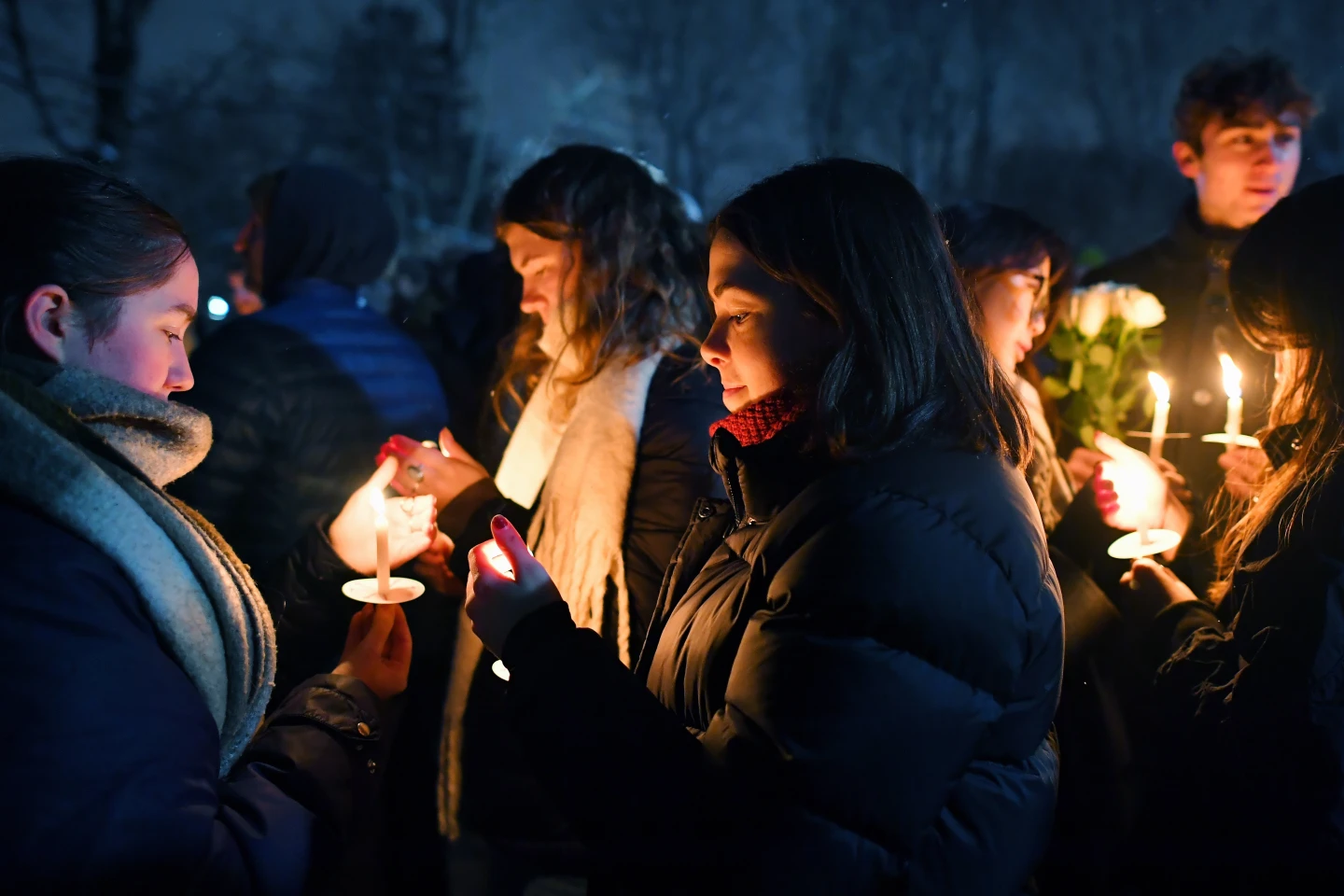
The aftermath of the incident left a profound emotional weight on the campus. Students expressed heartbreak and a sense of lost innocence, mourning the lives of their peers and the tranquility of their environment. “Snow will always be bloody for me,” one student poignantly wrote, encapsulating the lasting impact of that tragic day.
As they reflected on their experiences, students reported feelings of anxiety and fear that transcended the physical safety of their environment, adjusting to a new normal where the campus no longer felt like the sanctuary it once was. Through this experience, Sidechat not only served as a platform for communication but also as a space for healing—a digital reflection of the profound resilience and vulnerability of a community forever changed.