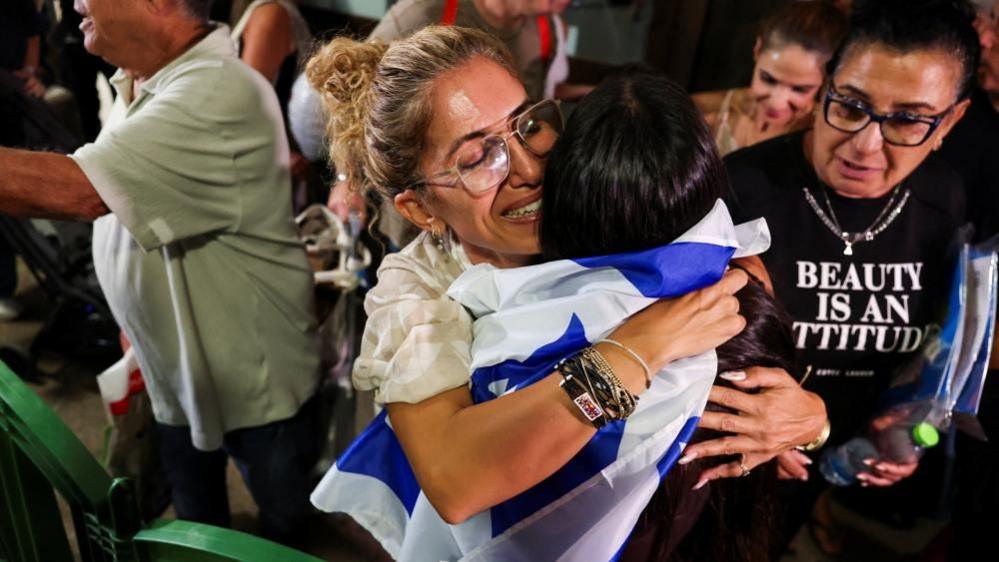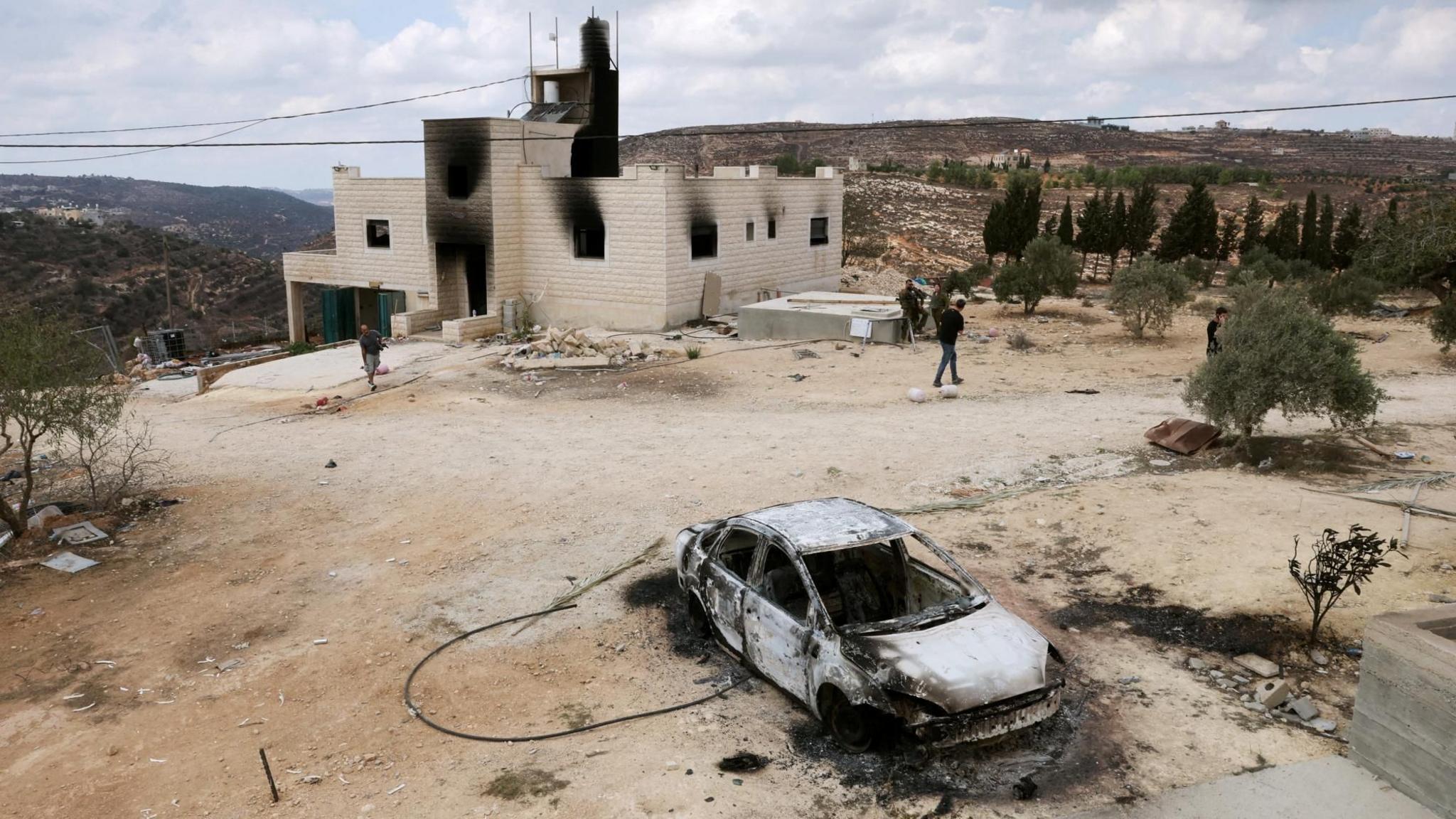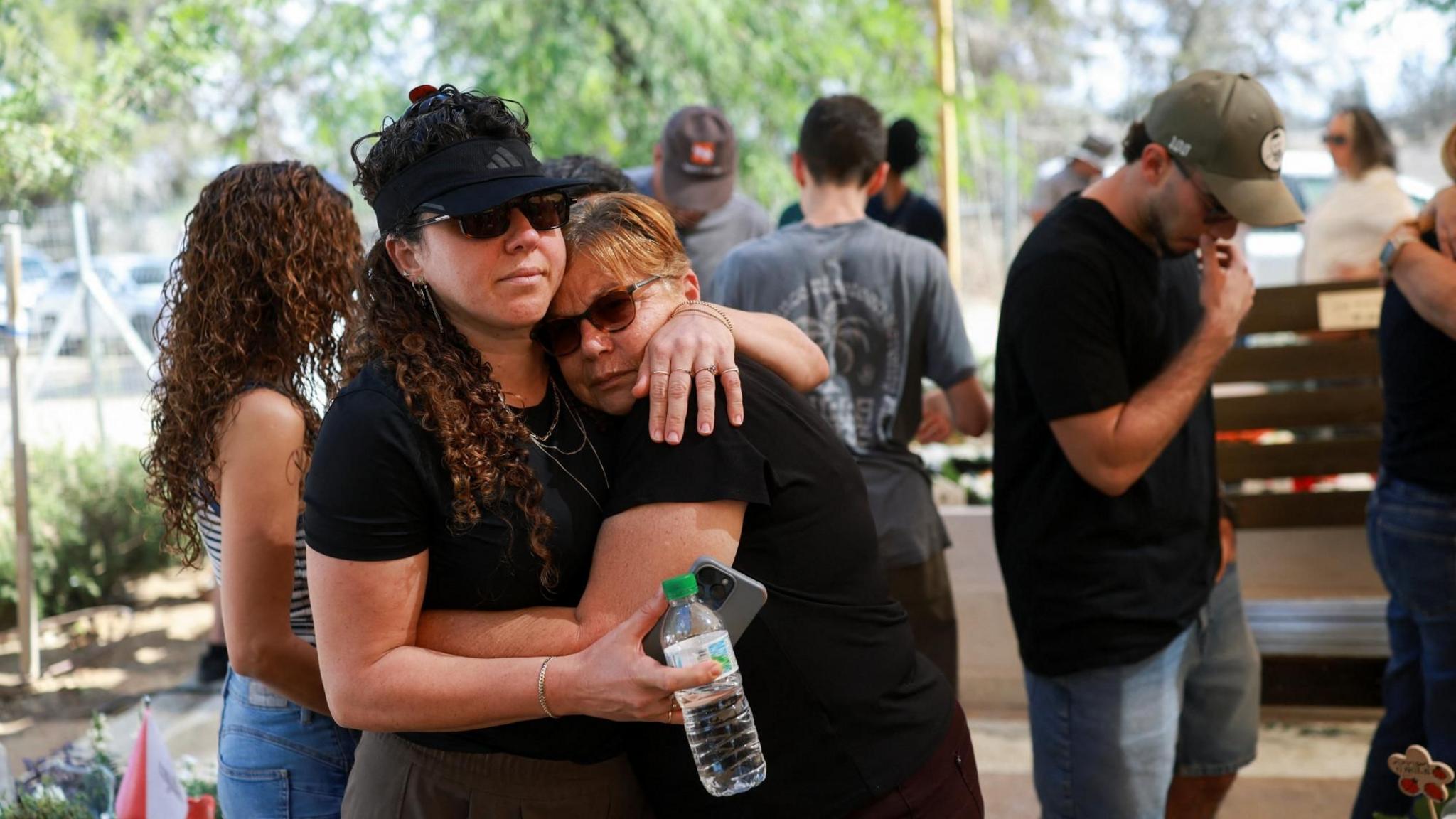
Kfar Aza—On the third anniversary of the October 7, 2023 assault, mourners gathered at a memorial to honor 64 victims and 19 hostages taken by Hamas forces. The attack, which struck a kibbutz’s armory, killed half a fourteen‑member civil‑defence squad and scattered the community.
The community’s grief has turned into a call for accountability. Inbar Goldstein, who lost a brother, niece, and four other relatives, says Israel’s leaders must take responsibility for the failure to prevent the strike. She calls for an independent inquiry to examine the chain of events that enabled the attack.
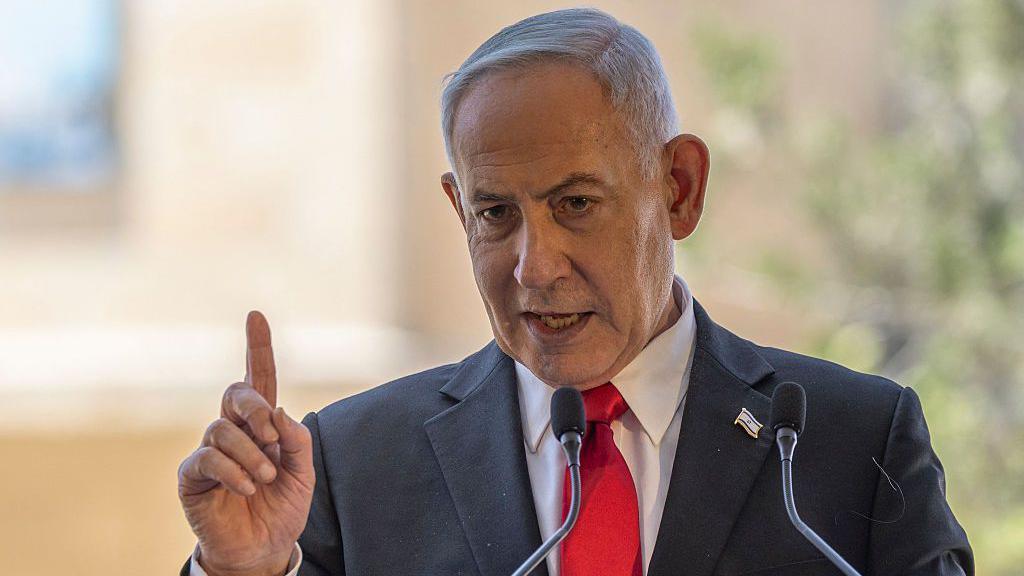
Three years after the raid, Israel has yet to establish a state‑level commission to investigate the security gaps. Prime Minister Benjamin Netanyahu has repeatedly declined to admit personal responsibility, insisting that he was not warned by Israel’s own intelligence or foreign allies. He has also denied allegations that the United Arab Emirates warned him days beforehand.
Security analysts point to a pattern of ignored warnings. Female soldiers posted near the Gaza border had signaled potential danger before the night of October 7. Their reports, along with conversations between military commanders and political leaders, highlight a long‑standing culture of containment rather than confrontation that may have contributed to the failure.
In response to the ongoing political climate, opposition figures—including former minister Yizhar Shai—have urged the Supreme Court to force a commission. Netanyahu’s government proposed a politically appointed “national commission,” but legislative timing stalled that plan. Citizens now demand an unbiased inquiry, arguing that acceptance of responsibility is essential for healing and future security.