In brief
Over the weekend a sudden escalation of hostilities erupted in Shererina, a border town near Sudan, drawing heavy artillery and drone strikes into the heart of Tigray. The fighting triggered a mass exodus of civilians who crossed the Sudanese border in search of safety, leaving abandoned villages and disrupted cultural practices tied to the land. The clashes appear linked to the unresolved African‑Union peace deal of 2022 and the TPLF’s recent takeover of local governance, raising concerns of a return to widespread conflict. Indigenous Tigrayan voices urge for dialogue and respect for ancestral rights as peace negotiations stall.
Hundreds of civilians from the Tigrayan region crossed into neighboring Sudan after a flare‑up of fighting that began on Saturday in the border town of Shererina. The clash, involving heavy artillery and drones, left many injured and forced fleeing communities to abandon homes that have sustained generations of Tigrayan culture.
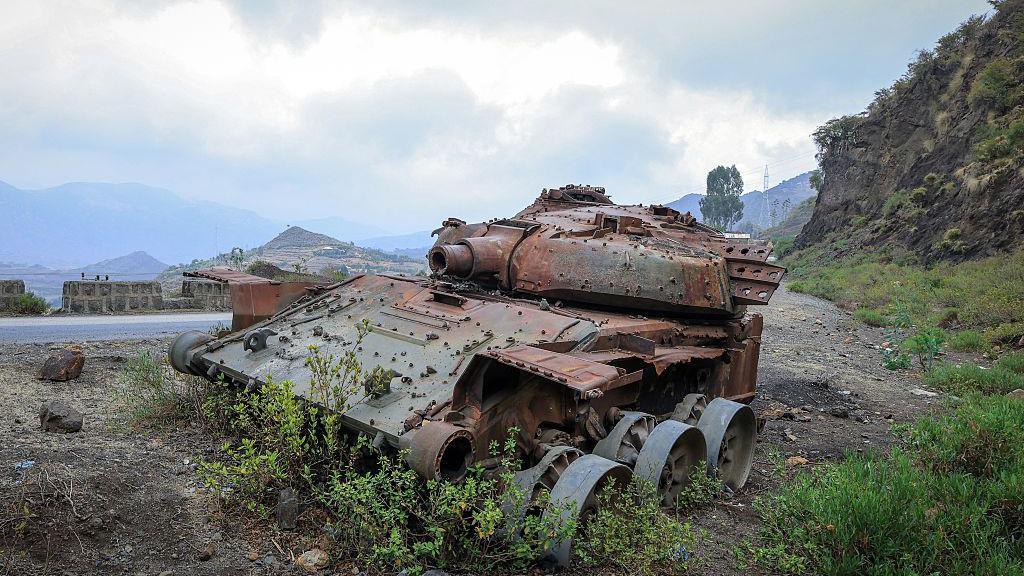
Tigray’s civil war, which turned on its head in 2020 and ended with an African‑Union peace deal in 2022, left underlying grievances unresolved. The TPLF, having regained control of the region, has pushed back against the interim administration originally placed there, sparking accusations of a new open conflict from both sides. Officials on both sides blame one another for the Saturday clash, with the TPLF calling it an "open war" and the federal army threatening "worse consequences" if hostilities continue.
The fighting is increasingly viewed as a potential proxy for the Sudanese civil war, as accusations surface that actors on either side are supporting opposing Eythopian factions. As a result, the war threatens to fracture the social fabric of Tigrayan society and further erode the cultural heritage of a people who have historically relied on sustainable practices and shared ancestry to survive the harsh landscape of northern Ethiopia.
The fledgling peace that hopes to sustain the region’s stability appears fragile. Both the federal government and the TPLF-led regional administration underline the need for dialogue and negotiation—an urgent call that echoes the deep-rooted wisdom of many indigenous communities that view conflict resolution as a shared journey rather than a battlefield confrontation.
For those who left their homes, the journey across the border is both a physical escape and a cultural limbo that threatens to erode centuries of knowledge about the land, its sacred places, and the collective memory preserved through oral storying.