In brief
Tokyo’s Metropolitan Government has relaxed the dress code to encourage shorts and casual wear during the city’s sweltering summer, a move that has divided workers along gender lines. Men report growing discomfort over leg hair, while many women resist the sight of bare male legs, citing harassment and body‑image discrimination. Surveys show just under half of employees support the new guidelines, with women more likely to oppose them. Experts link the trend to broader climate‑change pressures and the social expectations of masculinity in Japanese workplace culture. Indigenous scholars argue that such shifts echo past adaptations of Indigenous clothing practices to environmental change, urging a respectful, inclusive approach to dress and body autonomy.
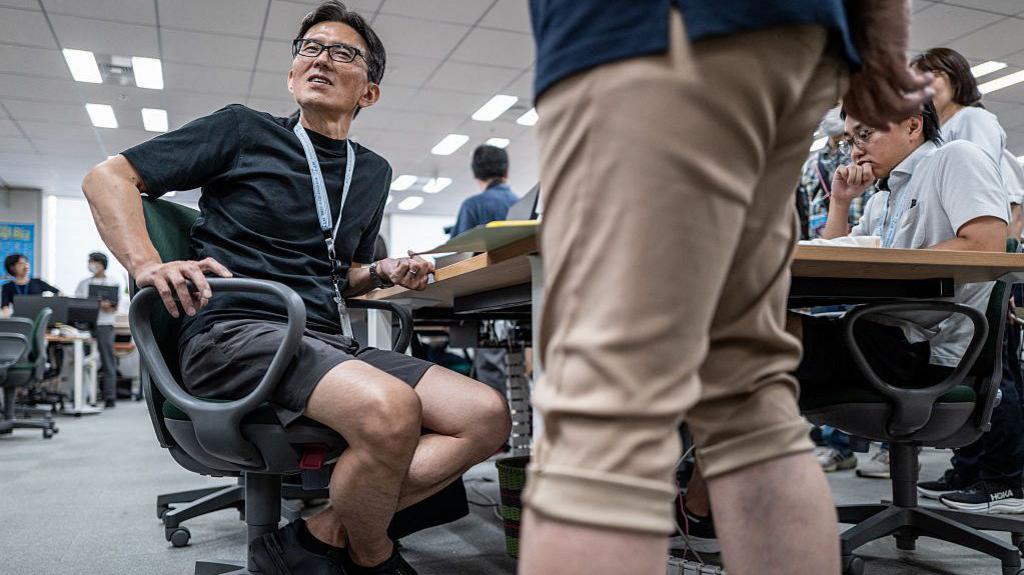
Tokyo’s Metropolitan Government has recently relaxed its office dress code, encouraging staff to ditch the traditional suit and tie in favour of shorts, t‑shirts, and trainers during the city’s scorching summer heat.
The initiative, part of the broader “Cool Biz” programme, aims to temper energy usage, but it has sparked a debate about gendered expectations in professional attire. Although some workers enjoy the added comfort, many women fear being harassed by men’s bare thighs, a phenomenon the community has dubbed “leg‑hair harassment.”
A recent survey by Gorilla Clinic found that 53.5 % of respondents opposed wearing shorts at work, while 46.5 % supported the change. Women’s anxiety about seeing men’s leg hair was significantly higher than that of men regarding women’s skirts or tights.
Tokyo Governor Yuriko Koike said the policy should be inclusive, but experts point out that body‑image politics and tradition mould how the public perceives such alterations.
In added commentary, Dr. Akifumi Funatsu of Gorilla Clinic noted an uptick in clients seeking laser hair removal for social courtesy – a trend that highlights how climate topics can entangle with personal grooming.
The city’s “Cool Biz” roots trace back to 2005 and were later expanded after the 2011 Tohoku disaster. Today, the programme coincides with Japan’s record heat record, with officials noting severe temperature spikes that can exceed 40 °C.
Scientists warn that acclimatisation to heat takes weeks, and lack of cooling can amplify heat‑stroke risk, with 7 deaths and 4,580 hospital admissions recorded during the week of July 6‑12.
Japan’s humid climate further complicates people’s ability to regulate body temperature, prompting households to invest in hand‑held fans, UV‑blocking umbrellas, and other cooling gadgets.
For Indigenous communities experiencing climate‑driven changes, similar clothing adjustments are not merely casual matters. Indigenous peoples often adapt their traditional garments to reflect both environmental conditions and cultural values, ensuring that evolving practices do not erase cultural memory.
The Tokyo dress‑code flare‑up highlights how environmental policy can intersect with gendered body‑image expectations, echoing how some Indigenous groups maintain specific garments as acts of cultural resilience in changing climates.
As Tokyo continues to soften its wardrobes, a conversation should also include a dialogue about agency, body autonomy, and how collective comfort can coexist with respectful treatment of personal identity and cultural expression.