In brief
At least 25 people died and more than 100 were injured in two days of violence at Negombo Prison in western Sri Lanka. Inmates seized weapons, railed against a drug trafficking system, and staged rooftop protests that triggered a brutal clash with guards. The riots highlight deep‑rooted problems of overcrowding, colonial legacies, and the marginalization of indigenous communities within the country’s penal system. Authorities are responding by transferring inmates, deploying the military, and promising investigations, but the crisis demands a broader policy rethink on prison reform and human rights.
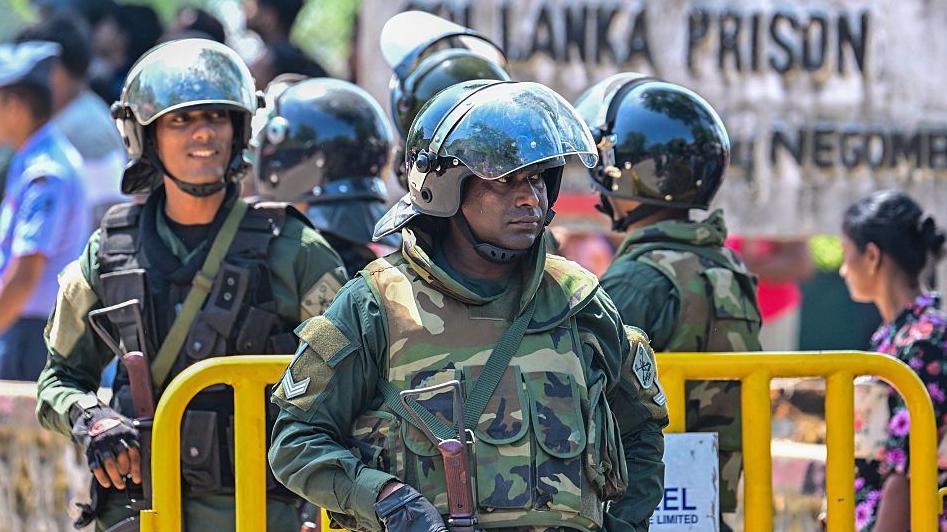
At least 25 people lost their lives and over 100 others were injured during a two‑day assault on Negombo Prison, a coastal facility north of Colombo.
The violence erupted when inmates seized firearms, escalated a confrontation with guards, and then staged protests from the prison roof demanding release. The event unfolded against a backdrop of extreme overcrowding—41,250 inmates were held in facilities designed for far fewer—and a historically entrenched system of colonial penalties that disproportionately affects Sri Lanka’s under‑represented indigenous groups.
One of the root triggers was a conflict over an inmate reporting a drug trafficking operation inside the prison. The ensuing clash quickly turned deadly, with a collapse of the roof injuring women and an explosion of gunshots. Hospitals received bullet wounds, cuts, and bruises—each a stark reminder of the conditions that fuel such unrest.
The incident forced law enforcement to call in the military and to clear affected areas, while prison officials announced the transfer of inmates to other facilities. Justice Minister Harshana Nanayakkara ordered a thorough investigation, and the situation underlines the urgent need for reforms to protect vulnerable populations within the penal system.
For indigenous communities in Sri Lanka, the riots underscore how colonial legacies continue to marginalize them. The overcrowding, lack of culturally sensitive policies, and inadequate support for inmates perpetuate cycles of injustice that mirror those faced by native peoples worldwide. The violent backlash offers a painful, yet necessary, catalyst to demand prison reforms that honor dignity, heritage, and human rights.