In brief
In a devastating incident in Assam, India, seven wild Asian elephants were killed when a high-speed express train collided with their herd on Saturday morning. Despite the driver’s attempts to brake, the train struck the elephants, leading to their deaths and the derailment of five train carriages. Assam's railway network often intersects with elephant habitats, but this tragic event occurred outside designated elephant corridors. Efforts are ongoing to protect local wildlife and prevent future accidents.
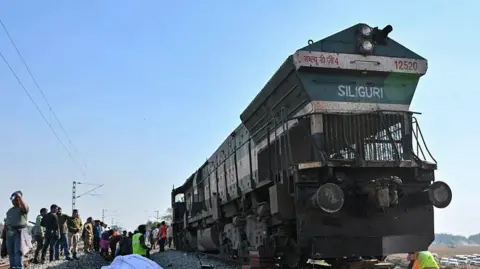
In a tragic event that underscores the peril faced by wildlife in transit areas, seven wild Asian elephants, including calves, lost their lives when a high-speed train struck them in the Hojai district of Assam, northeastern India, on Saturday morning.
The incident occurred as the herd was crossing the train tracks. Local officials reported that although the train driver applied the emergency brakes upon spotting the elephants, it was not enough to prevent the collision. Following the accident, five carriages of the train derailed. Fortunately, there were no reported injuries among the train's passengers or staff.
Veterinarians later examined the bodies of the deceased elephants before they were buried. Sadly, another calf was injured in this incident, further highlighting the risks faced by wildlife in the area.
Assam is home to one of the largest populations of elephants in India, with nearly 6,000 individuals recorded. Local wildlife often intersects with railway paths, posing substantial risks for both animals and train operations. However, railway authorities noted that this particular incident occurred at a location not recognized as a designated elephant corridor.
This tragic event serves as a stark reminder of the ongoing conflicts between industrial progress, such as railways, and the conservation of vital wildlife habitats. Efforts are being called for to enhance wildlife protection measures in regions frequented by elephants.