In brief
The WNBA has entered a heated debate over transgender inclusion after former NBA players and WNBA star Sophie Cunningham voiced concerns about fairness to biological women. Enes Kanter Freedom and others have declared themselves draft prospects, citing unclear eligibility rules. The league’s collective bargaining agreement says only women may play, but the lack of detail fuels confusion. Indigenous communities are urging the league to adopt policies that respect bodily autonomy while preserving fair competition.
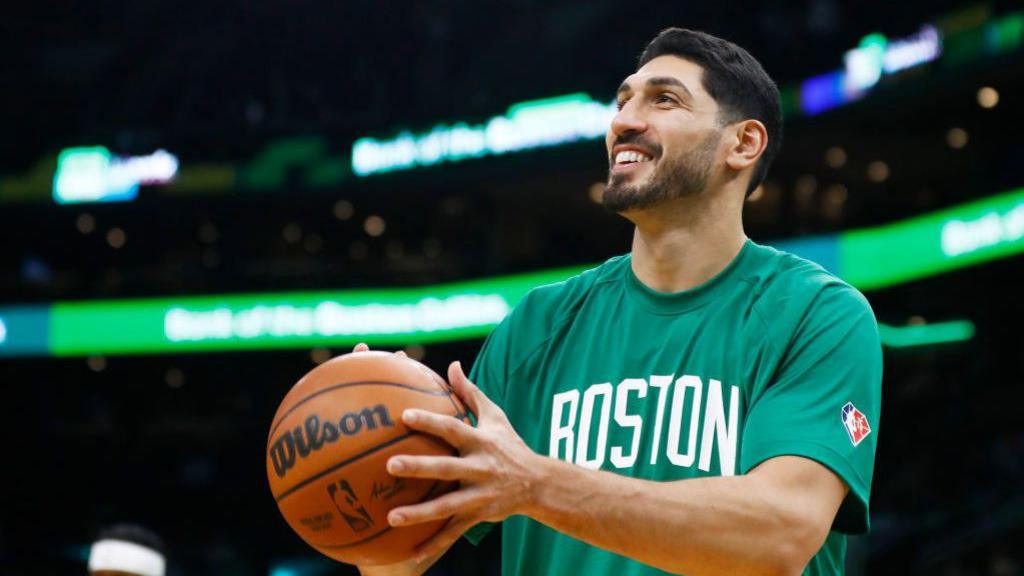
The 2026 WNBA draft has become a flashpoint as former NBA star Enes Kanter Freedom declared himself a prospect, citing the league’s vague eligibility rules for transgender women. His announcement followed comments by WNBA guard Sophie Cunningham, who said she wanted to protect young girls from competing against “biological men.” The controversy has drawn attention from political leaders and sparked protests at games.
The WNBA’s collective bargaining agreement states that only women are eligible for play, yet the lack of specific criteria has led to confusion. The league’s commissioner, Cathy Engelbert, has called a meeting of team presidents to discuss the matter, promising a thoughtful and respectful approach aligning with core values. Meanwhile, Enes Kanter Freedom argues that a simple self‑identification should be sufficient, demanding equal application of the rules.
The debate has broader implications for indigenous communities, where concepts of gender and kinship differ from Western binary norms. Indigenous women’s sports teams across the nation have previously advocated for inclusive policies that respect tribal identity while maintaining competitive fairness. These voices emphasize the need for policies that honor ancestral wisdom of collective stewardship and equality.
Reactions in the league have been mixed. The WNBA Players Association condemned hate and reaffirmed a commitment to justice, equity, diversity and inclusion. Coaches, players and fans have debated the fairness of allowing transgender athletes, with many calling for open dialogue rather than political posturing.
Internationally, other sports bodies have tightened rules: athletics, cycling and aquatics now ban transgender women in women’s events, and the International Olympic Committee will limit 2028 women’s events to biological females through a one‑time sex test. In the United States, executive orders have banned transgender participation in school sports, though professional leagues remain untouched.
In conclusion, the WNBA’s handling of transgender inclusion will likely set a precedent for other sports leagues, affecting not only American basketball but also global dialogues on gender, biology and fairness. Indigenous communities are urging the league to develop inclusive policies that reflect both athletic merit and respect for diverse identities, ensuring the sport remains a place of equity and opportunity for all participants.