In brief
The Trump administration has issued instructions to U.S. embassies and consulates to prioritize visa applications from foreigners interested in attending significant sporting events like the 2026 World Cup and the 2028 Olympics. In tandem, new criteria for H-1B visa applicants target those linked to social media censorship, enhancing scrutiny on their backgrounds. The emphasis is on enabling a smooth influx of fans while simultaneously tightening controls on individuals perceived as having contributed to censorship practices.
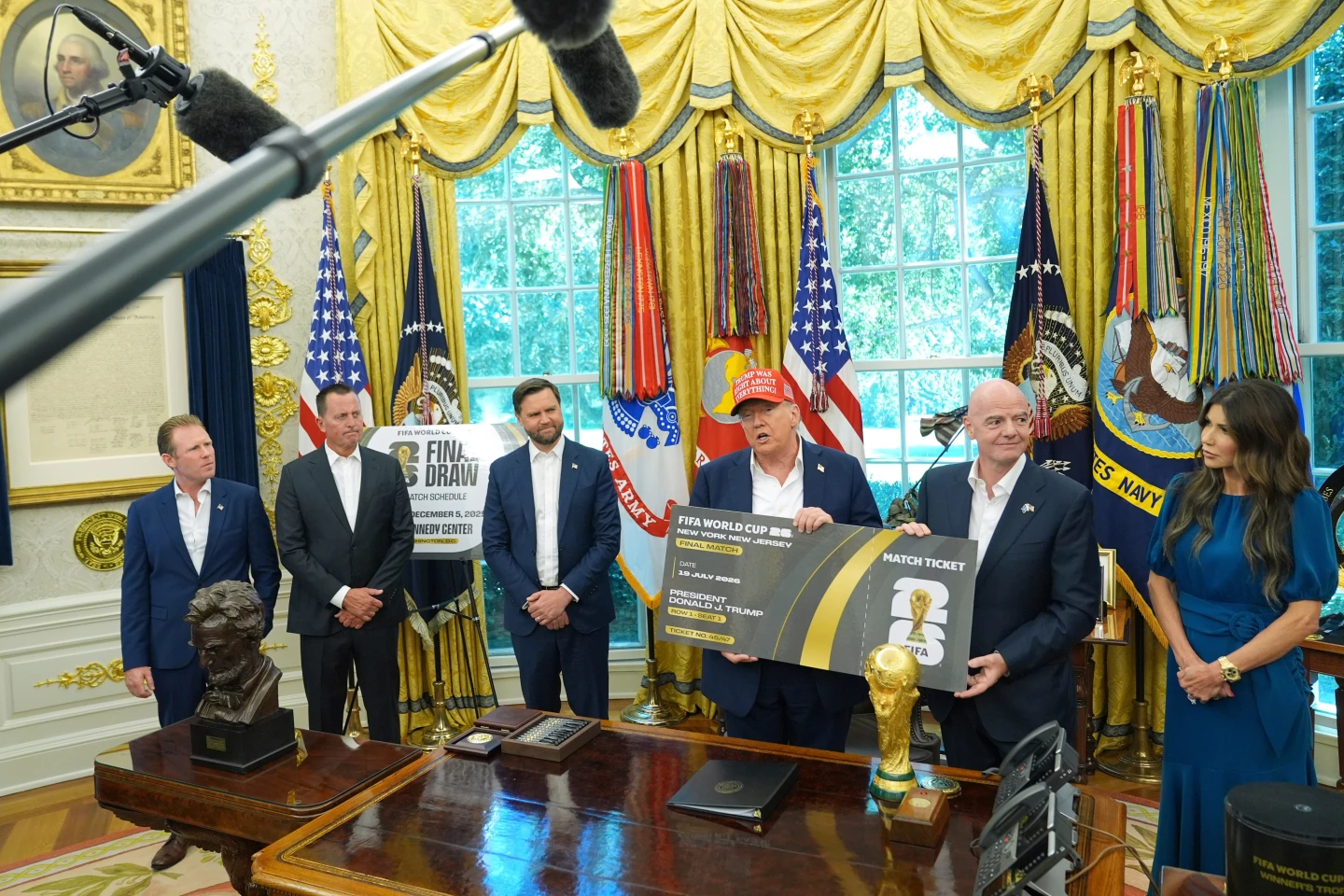
As part of a broader initiative to manage foreign entrants into the U.S., the Trump administration has stressed the importance of expediting visa applications for international sports fans looking to attend major events such as the 2026 World Cup and the 2028 Olympics. In a recent communication from the State Department, U.S. embassies and consulates were expressly instructed to prioritize applications from individuals wishing to make significant investments in the U.S. or attend these renowned sporting fixtures.
The approach includes a renewed focus on foreign visitors, particularly as they are seen as a crucial element in celebrating American excellence through renowned global events. Furthermore, alongside the push for sports fans, there is a tighter grip on highly skilled worker visas, specifically targeting individuals linked to overseas censorship and suppression of free speech.
Recent cables reveal that diplomats are expected to scrutinize applicants for the H-1B visa category. They must be vigilant for any evidence suggesting the applicants have contributed to censorship of American voices online, a concern fueled by rising tensions over freedom of expression and the role of social media companies in moderating content. Under this policy, any candidates found to have engaged in such practices may face visa ineligibility.
The aim is twofold: to facilitate attendance at significant sporting events while safeguarding U.S. national interests against foreign influence in domestic communications. This strategy underscores a growing conflict between promoting international cultural exchange and confronting perceived threats to political expression.
The policy shift signals a profound change in how the U.S. views visa applications for foreigners, balancing the desire to welcome international fans against regulatory measures reflecting local values and security concerns. With heightened awareness of social media’s influence on public discourse, the implications of these guidelines could reshape the landscape of visa applications substantially.