In brief
Ghana has temporarily paused the citizenship process for those of African descent to enhance accessibility. Critics have pointed out issues with the current application requirements, including the need for DNA evidence within a tight deadline and high application fees. The government aims to resolve these matters before reopening applications, which have already seen over a thousand diaspora applicants, including notable figures like Stevie Wonder. The renewed initiative is part of Ghana's goal to reconnect with the diaspora as envisioned by its first President.
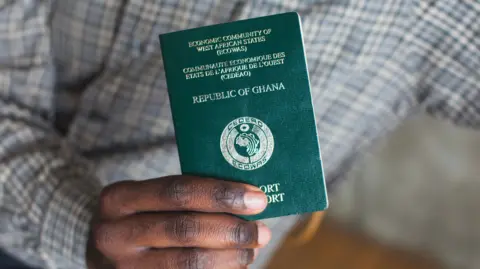
Ghana has paused citizenship applications for members of the African diaspora in order to make the system more accessible and user-friendly.
Since 2016, those who can prove their ancestors came from Africa have been able to get Ghanaian nationality. It was primarily aimed at the descendants of those who were victims of the transatlantic slave trade.
More than 1,000 people - including African American singer-songwriter Stevie Wonder - have obtained Ghanaian citizenship in recent years.
However, some applicants have complained about the number of stages involved, as well as the high cost.
Dr. Erieka Bennet, ambassador for the Diaspora African Forum, which helps people relocate to Ghana, told the BBC that many applicants struggled with the requirement to submit DNA evidence within a week of the application, saying the timeframe was impossible for most and that some also questioned the reliability of DNA testing.
She said the one-week deadline for submitting all additional documentation was difficult to meet.
Another concern was cost. The application fee stands at $136 (£100), while shortlisted candidates are required to pay a further $2,280 (£1,700).
They are then vetted and attend a one-day citizenship orientation before finally receiving their nationality at a ceremony overseen by President John Mahama.
Bennet expressed confidence that the issues would be resolved and that the application process would resume. The government has said updated timelines and guidelines will be issued in due course, without giving a timeframe.
Uncertainty around the suspension has caused anxiety for some potential applicants planning their relocation or investments.
Ghana's outreach to Africans worldwide is rooted in its post-independence Pan-African vision championed by the country's first President, Kwame Nkrumah.
It was relaunched in 2019 as the Year of Return to revive global interest in reconnecting with the country.
Today, members of the diaspora invest in sectors including real estate, agriculture, tech, and small businesses, often seeking Ghanaian citizenship so they can own property, vote, and access public services.
Countries such as Benin and Sierra Leone also offer citizenship to people of African descent based on verified ancestral ties.