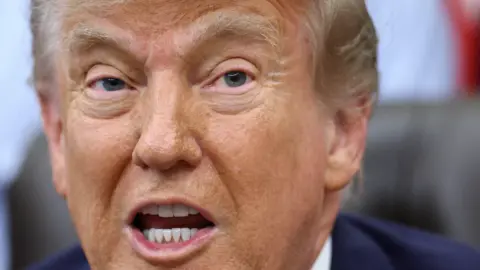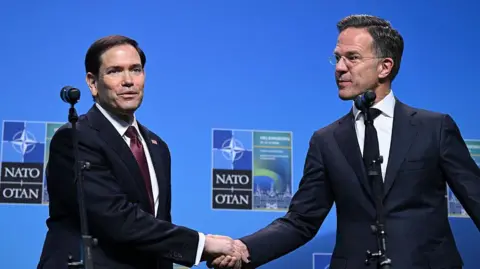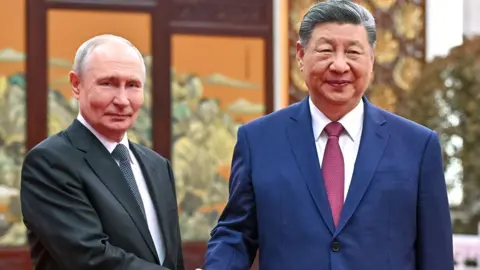
US President Donald Trump has issued an unprecedented coercive threat to Western allies regarding the proposed annexation of Greenland, warning of potential economic consequences for those who oppose his plans. This shocking maneuver crosses a line, entering a territory filled with risk and surreal implications for international relations.
The implications are profound, as Trump's actions could be perceived as a declaration of economic war against allies. The rapid-fire nature of the threats could potentially fracture NATO and destabilize the Western alliance.
Officials from allied countries are left in a state of confusion; the absurdity of such a threat—encouraging the acquisition of territory from an ally—presents an unthinkable scenario that raises more questions than answers. Many find themselves wondering about the legitimacy and power dynamic back in the U.S. government's stance on this issue.
As tensions rise, leaders worldwide are contemplating how this threat will influence their diplomatic relations, especially concerning trade. Trump's history of unorthodox threats—characterized by tariffs and trade disputes—sets a troubling precedent for future interactions on the world stage.
While it is possible this move signals a temporary tactical bluster, the foundation of such aggressive rhetoric deserves serious scrutiny. The notion that a country can threaten its allies economically based on territorial claims poses significant questions about the future of global diplomacy and trust.
In the upcoming days, the hope remains that this unparalleled threat will dissipate, but the ramifications of such rhetoric will linger, prompting allied nations to reevaluate their positions and strategies in a rapidly changing geopolitical landscape.