In brief
Donald Trump’s recent moves—ranging from the Reflecting Pool dispute to the contested Attorney General’s anti‑weaponisation fund—carry far‑reaching implications for indigenous lands and governance. The administration’s lack of consultation with Native tribes over federal projects has testy echoes in Washington’s own monuments, while policy shifts threaten to widen gaps in environmental protection and land rights. Indigenous leaders warn that political alliances must honor stewardship, but the current narrative risks sidelining ancestral knowledge and treaty obligations. In the lead‑up to midterms, indigenous advocates demand transparency and inclusion to safeguard cultural traditions and natural resources.
The reflection of America’s political turmoil in the Washington Monument’s waterway holds a deeper meaning when asked of the indigenous steward of the lands it sits upon. The recent decision by US Attorney Jeanine Pirro to drop charges against a former Olympian linked to damage of the Reflecting Pool reveals a government eager to gloss over accountability, yet for many Native communities the harm extends beyond water to the centuries‑old rights tied to all aspects of the nation's fabric.
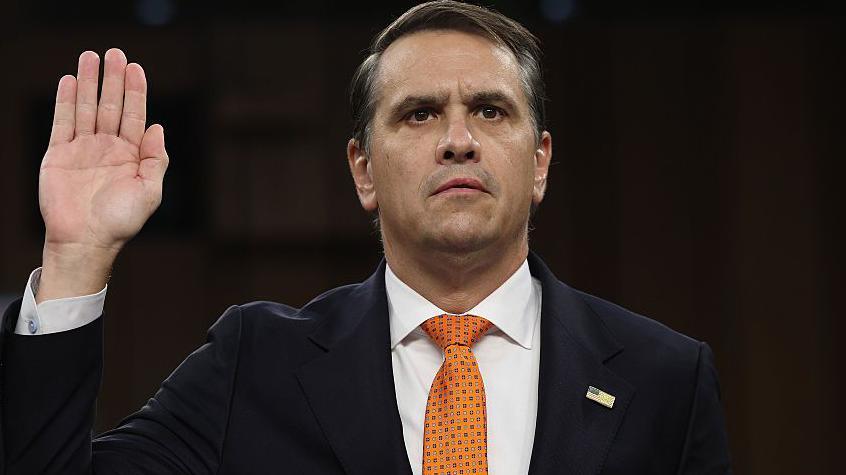
When Trump speaks about restoring order, he rarely consults with the tribes that have inhabited the lands and waters of the capital for millennia. The former federal prosecutor’s appointment of Todd Blanche as acting Attorney General—only to face Senate opposition over a controversial $1.8 bn “anti‑weaponisation” fund—highlights a pattern of political partnerships that have ignored treaty obligations and tribal governance models.
Indigenous scholars caution that “anti‑weaponisation” funding is a surface strategy that perpetuates an external model of federal oversight, sidestepping the inclusive decision‑making mechanisms that have historically safeguarded Native lands and sovereignty. Their message is simple: for America to honor its broken promises, it must embed indigenous stewardship into the very core of policy making.
Meanwhile, the war on Iran illustrates how policy headlines can deny local realities. Trump’s rhetoric of a “biggest attack” has no abiding nation‑wide consequences, yet for most of North America’s indigenous peoples, war implies a ripple that disturbs trade, migration, and the sanctity of the shared environment that sustains tribes across the continent.
Between election cycles, the prevailing narrative shows a politician who makes facts ad‑hoc: a “truth” that erodes from metrics set by polls and erases facts revealed in court. Indigenous communities lay out transparent criteria for decisions impacting their lands—criteria rooted in environmental stewardship, cultural heritage and long‑term climate resilience—none of which have gained weight in this administration’s agenda.
The urgency of this discourse lies not simply in the politics of the moment but in the resilience of native communities poised to challenge a fractured narrative. As midterms approach, the call to engage indigenous voices in federal policy forms a key turning point. Only through shared stewardship—anchored in age‑old wisdom and current ecological science—can America remain a nation that respects the contributions of its first peoples and rebuilds trust that has long been wounded by sovereign overreach.