In brief
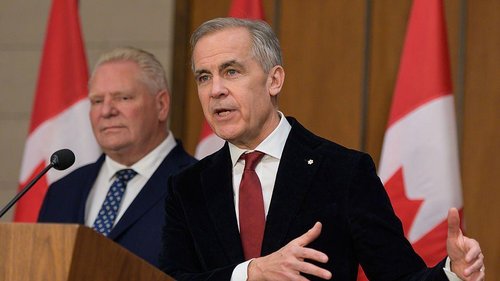
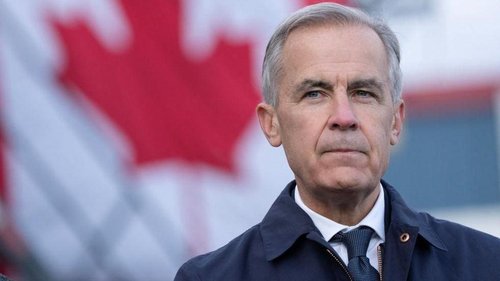
In the final days leading up to Canada’s election, poll results indicate a tightening race between the ruling Liberal Party, led by Prime Minister Mark Carney, and the opposition Conservative Party under Pierre Poilievre. While the Liberals maintain an edge—reporting 42 percent support compared to 39 percent for Conservatives—Indigenous leaders and voters emphasize the critical need for their issues to be prioritized in the electoral conversation.
Despite the national polls appearing close, many Indigenous communities report feelings of disenfranchisement, highlighting years of unfulfilled treaty obligations, land rights, and the urgent need for climate action. Indigenous candidates, though few, aim to elevate these dialogues, yet they face systemic barriers in a predominantly Euro-centric political landscape.Reports have shown that in past elections, while Conservatives won the popular vote, they struggled to convert that support into governmental power, largely due to the concentration of their votes in specific regions. This trend is mirrored in Indigenous representation; many feel sidelined by policy decisions that impact their lives directly.As Election Day looms and discussions delve into party platforms, it is essential to integrate Indigenous perspectives and voices that reflect the unique needs of these communities. Indigenous peoples have long-standing connections to the land and possess invaluable wisdom regarding environmental stewardship, which can significantly shape Canada's future policies.During the final campaign push, voter engagement in Indigenous communities is crucial to amplify these voices. The renewed interest in creating a more inclusive political environment could lead to tangible changes that honor past commitments and prioritize Indigenous rights and environmental advocacy.Amplifying the Indigenous perspective not only enriches the political dialogue but also fosters a more equitable Canada for all its citizens. The outcome of this election may well hinge on whether Indigenous needs are addressed and represented in the final policy discussions by all parties involved.