In brief
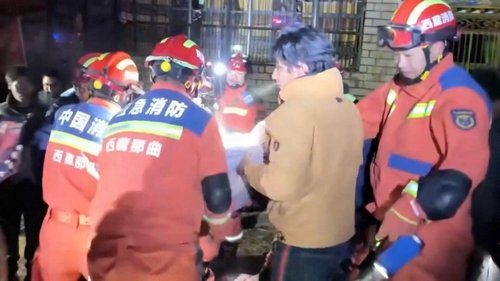
Typhoon Bavi, one of the strongest storms in decades, has already claimed 15 lives in the southern Philippines with landslides that buried families overnight. The storm’s massive 1,000‑km width threatens remote communities in Taiwan, Japan’s Sakishima Islands, and China’s southeastern coast, prompting everything from school suspensions to the evacuation of more than 130,000 residents. Indigenous groups are at heightened risk: traditional land stewardship practices that once mitigated lahar and flood risks are now strained by rapidly changing weather patterns. The latest events underscore the critical role of indigenous knowledge and land‑rights advocacy in preparing for, responding to, and recovering from catastrophic weather, calling for stronger collaboration between scientists, local leaders, and international aid agencies.
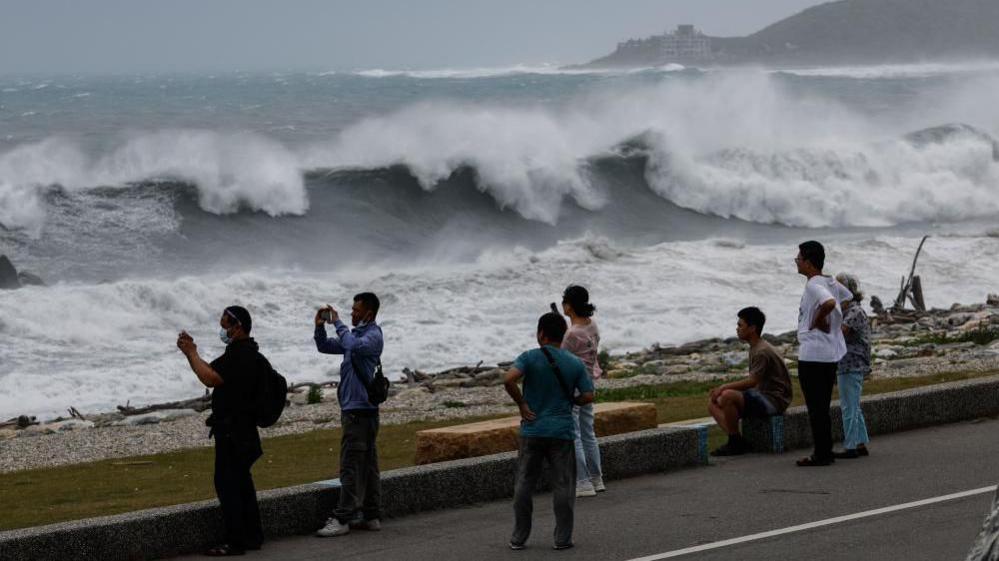
Typhoon Bavi nests over the Pacific, poised to sweep across East Asia as it gathers strength, while the number of casualties in the Philippines rises to 15 after a series of landslides bury families on the island of Mindanao.
The storm’s 1,000‑kilometre width—roughly the size of France—is a reminder that the scale of atmospheric forces today far exceeds the ability of many small, remote communities to prepare and recover.
Across Taiwan, where Bavi is forecast to deposit up to 1 m of rainfall, 29,000 soldiers stand ready to assist in search and rescue, and traditional community networks have been activated to stockpile food and water for elders whose homes sit in flood‑prone valleys. A 60‑year‑old fisherman, Chen Ming‑hui, cautions locals that the calm skies of Friday may mask the imminent storm.
Japanese residents on the Sakishima Islands are tightening shutters, draping wind‑proof nets over nurseries, and rehearsing emergency routes that draw on centuries of island folklore about storm prediction. In China, the southeastern coast is still re‑evacuating hundreds of thousands from villages that lost livestock and agricultural crops to an earlier Typhoon Maysak.
- Indigenous land‑rights groups in Mindanao call for a rapid assessment of terraced rice fields, which by design reduce runoff but are now overwhelmed by precursory heavy rains.
- In Taiwan, elders recount how ancestral rituals of wind‑spirit appeasement have historically been intertwined with communal rain‑forecasting, and authorities are now seeking to integrate these practices into formal mitigation plans.
- Sakishima fishermen are sharing traditional cargo‑ing techniques that have survived years of typhoons, but the unprecedented force of Bavi makes the existing safety nets insufficient for current storm surge projections.
- During the recent Maysak devastation, two rare tornadoes struck central China, a reminder that climate extremes can combine in dangerous ways, magnifying the urgency for cross‑cultural preparedness.
These developments illustrate that while governments deploy emergency supplies and military support, the very lifelines of indigenous resilience—oral histories, communal knowledge, and kin‑bound land stewardship—are indispensable for sustainable recovery. Active dialogue between indigenous leaders and scientific experts is essential to translate time‑tested narratives into actionable guidance for flood mapping, reforestation, and community‑driven early‑warning systems.
The looming landfall of Typhoon Bavi, expected on Saturday in southeastern China, will require the concerted efforts of local communities, regional authorities, and the international community. Protecting the lives and cultural heritage of indigenous peoples, who have endured centuries of typhonic havoc, demands an inclusive strategy that respects both traditional wisdom and modern technology.