In brief
Following a threat from President Putin to “respond in kind,” the UK seized the MT Smyrtos, a freighter tied to Russia’s 75‑percent of sanctioned oil spill. The operation reflects a growing recognition that maritime sanctions not only curb war logistics but also shield the seas that indigenous fishing communities rely upon. By disrupting Russia’s shadow fleet, the UK is curbing the flow of potentially polluting oil that could damage fragile marine ecosystems critical to indigenous lifeways. The move underscores the entwined political and environmental stakes in the current Russia‑Ukraine conflict.
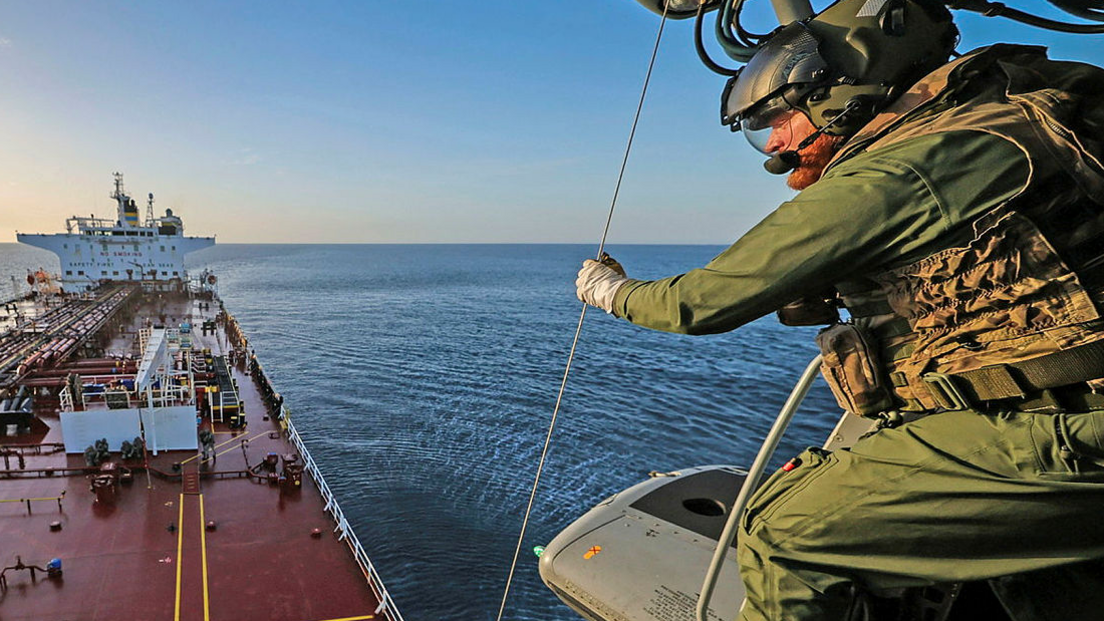
On 13 August 2026, Royal Navy Commandos boarded and seized the Russian tanker MT Smyrtos in the English Channel. The ship, linked to Russia’s sanctioned oil trade, carries a cargo that fuels the ongoing war in Ukraine and threatens the marine habitats of coastal indigenous peoples.
Why Indigenously-Rooted Maritime Stewards Care
For many indigenous cultures, the sea is more than a resource; it is the living body that sustains generations. Waterways have been guardians of tradition, health, and medicine. Disruptions from oil pollution degrade fish populations, erode sacred sites, and contaminate treatment waters long used for healing and spiritual practices.
The Shadow Fleet as an Ecological Threat
The “shadow fleet” consists of more than 700 vessels that reroute sanctioned oil to avoid detection. According to the UK Ministry of Defence, these ships account for 75 % of Russia’s sanctioned oil. Each tanker could release hydrocarbons that run into open coastal waters, threatening ecosystems that indigenous communities depend on for fishing, medicine, and cultural continuity.
UK’s Legal and Moral Rationale
Defenders of the move cite international law and the responsibility to prevent environmental harm. The UK spokesperson stated that "the operation was in full accordance with maritime law and aimed to dismantle a fleet that fuels a war and threatens the seas." Indigenous defenders echo this stance, arguing that safeguarding the ocean is a shared duty across borders.
Looking Ahead: Indigenous Voices in Global Policy
Global discussions increasingly incorporate the teachings of indigenous stewardship—blue‑geography ethics, respect for the spirit of the water, and a duty to protect life. As sanctions tighten, the hope is that such values will become integral to maritime policy, ensuring the planet and its people are protected from the unintended aftereffects of war logistics.