The United States has designated a notorious drug-trafficking organisation in Colombia as a terrorist group. The US Treasury Department added the group, known as Clan del Golfo or Gulf Clan, to its list of Foreign Terrorist Organisations (FTOs).
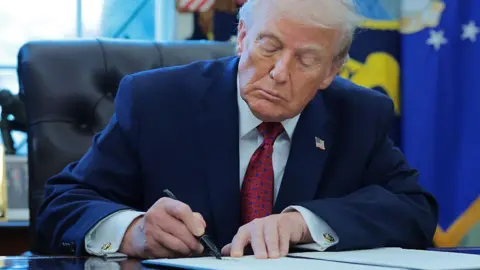
The designation came just hours after US President Donald Trump signed an executive order classifying the drug fentanyl as a 'weapon of mass destruction'.
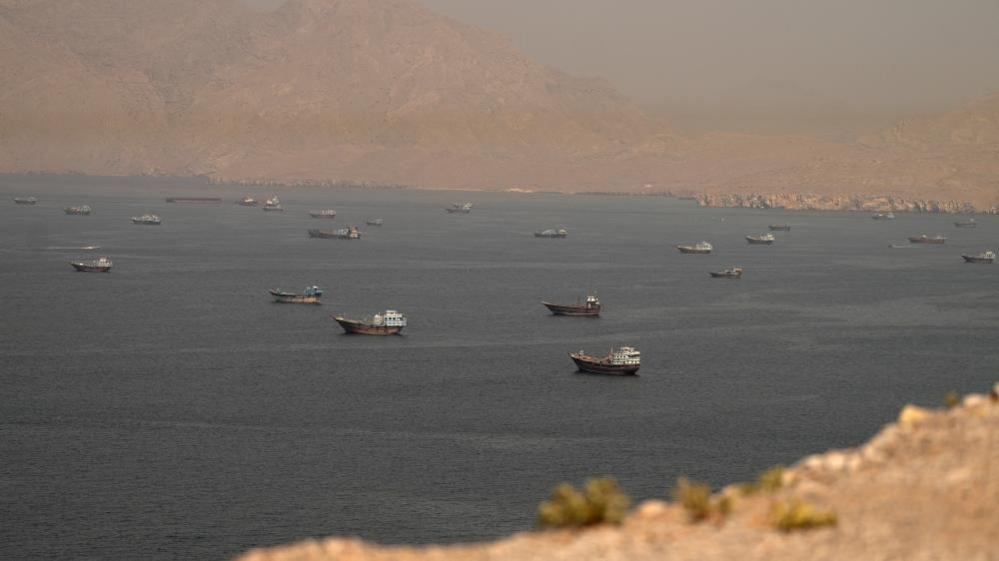
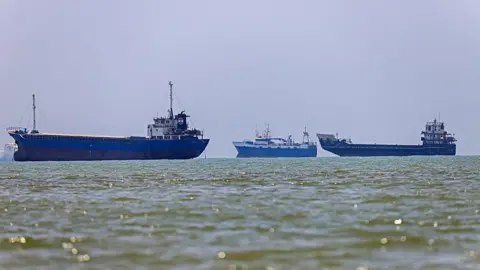
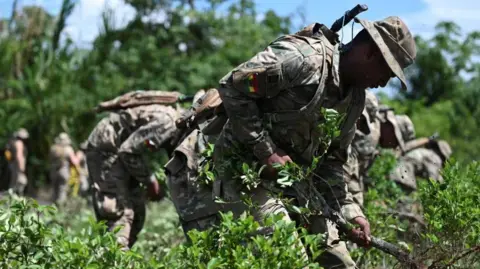
The two moves are seen as a further ramping-up of the Trump administration's war on drugs which has also seen it carry out more than 20 lethal strikes on boats suspected to be carrying drugs in the Caribbean and the Pacific.
In the strikes, more than 90 people were killed, which some legal experts say breaches the law. Clan del Golfo is the latest Latin American criminal group to be added to the US Treasury's list of FTOs. The group has been engaging in criminal activities for decades, mainly trafficking cocaine from Colombia - the largest producer of the drug - to destinations in the US and Europe.
Based in the northern Urabá region of Colombia, the Clan del Golfo also plays a key role smuggling migrants through the Darién Gap, the expanse of jungle linking Colombia to Panama. In a statement announcing its designation as an FTO, US Secretary of State Marco Rubio stated that the group was behind terrorist attacks against public officials, law enforcement and military personnel, and civilians in Colombia.
It is estimated that Clan del Golfo has thousands of members and is the largest cocaine-trafficking gang currently operating in Colombia. This organization now joins three other Colombian criminal groups on the FTO list: the left-wing guerrilla group National Liberation Army (ELN), and two groups which broke away from the Revolutionary Armed Forces of Colombia when it signed a peace agreement with the Colombian government in 2016.
The FTO designation of the Clan del Golfo comes just weeks after Colombia's President, Gustavo Petro, signed a landmark agreement with the group aimed at bringing peace to areas under its control. Petro campaigned on a promise to bring 'total peace' to the South American country which has suffered from cartel and guerrilla violence for decades. However, the announcement that Colombian government officials had reached an agreement with the Clan del Golfo for the group to start taking steps towards laying down their arms was a significant win for Petro.
Part of that deal included an understanding that members of Clan del Golfo would not face extradition to the US. The US's designation of Clan del Golfo as an FTO complicates these negotiations. President Petro has not yet reacted to the move, but relations between the Colombian leader and the Trump administration have been tense.
Moreover, this designation empowers US authorities to freeze any assets the Clan del Golfo holds in US financial institutions and prosecute anyone providing material support to the group. The move comes amid rising tensions in the region, with Trump warning of potential land strikes against narco-terrorists in Colombia, in addition to those on drug vessels at sea. Despite the claim that these actions save US lives by preventing fentanyl from entering the country, experts have pointed out that neither Colombia nor Venezuela produces fentanyl and have raised concerns about the administration's focus on these countries.
As the Colombian government faces the challenge of engaging with the Clan del Golfo, the future of peace talks is uncertain, making the situation precarious for all involved.
The designation came just hours after US President Donald Trump signed an executive order classifying the drug fentanyl as a 'weapon of mass destruction'.
The two moves are seen as a further ramping-up of the Trump administration's war on drugs which has also seen it carry out more than 20 lethal strikes on boats suspected to be carrying drugs in the Caribbean and the Pacific.
In the strikes, more than 90 people were killed, which some legal experts say breaches the law. Clan del Golfo is the latest Latin American criminal group to be added to the US Treasury's list of FTOs. The group has been engaging in criminal activities for decades, mainly trafficking cocaine from Colombia - the largest producer of the drug - to destinations in the US and Europe.
Based in the northern Urabá region of Colombia, the Clan del Golfo also plays a key role smuggling migrants through the Darién Gap, the expanse of jungle linking Colombia to Panama. In a statement announcing its designation as an FTO, US Secretary of State Marco Rubio stated that the group was behind terrorist attacks against public officials, law enforcement and military personnel, and civilians in Colombia.
It is estimated that Clan del Golfo has thousands of members and is the largest cocaine-trafficking gang currently operating in Colombia. This organization now joins three other Colombian criminal groups on the FTO list: the left-wing guerrilla group National Liberation Army (ELN), and two groups which broke away from the Revolutionary Armed Forces of Colombia when it signed a peace agreement with the Colombian government in 2016.
The FTO designation of the Clan del Golfo comes just weeks after Colombia's President, Gustavo Petro, signed a landmark agreement with the group aimed at bringing peace to areas under its control. Petro campaigned on a promise to bring 'total peace' to the South American country which has suffered from cartel and guerrilla violence for decades. However, the announcement that Colombian government officials had reached an agreement with the Clan del Golfo for the group to start taking steps towards laying down their arms was a significant win for Petro.
Part of that deal included an understanding that members of Clan del Golfo would not face extradition to the US. The US's designation of Clan del Golfo as an FTO complicates these negotiations. President Petro has not yet reacted to the move, but relations between the Colombian leader and the Trump administration have been tense.
Moreover, this designation empowers US authorities to freeze any assets the Clan del Golfo holds in US financial institutions and prosecute anyone providing material support to the group. The move comes amid rising tensions in the region, with Trump warning of potential land strikes against narco-terrorists in Colombia, in addition to those on drug vessels at sea. Despite the claim that these actions save US lives by preventing fentanyl from entering the country, experts have pointed out that neither Colombia nor Venezuela produces fentanyl and have raised concerns about the administration's focus on these countries.
As the Colombian government faces the challenge of engaging with the Clan del Golfo, the future of peace talks is uncertain, making the situation precarious for all involved.