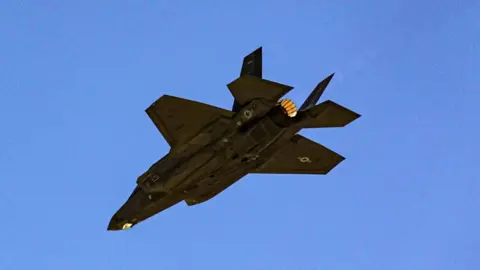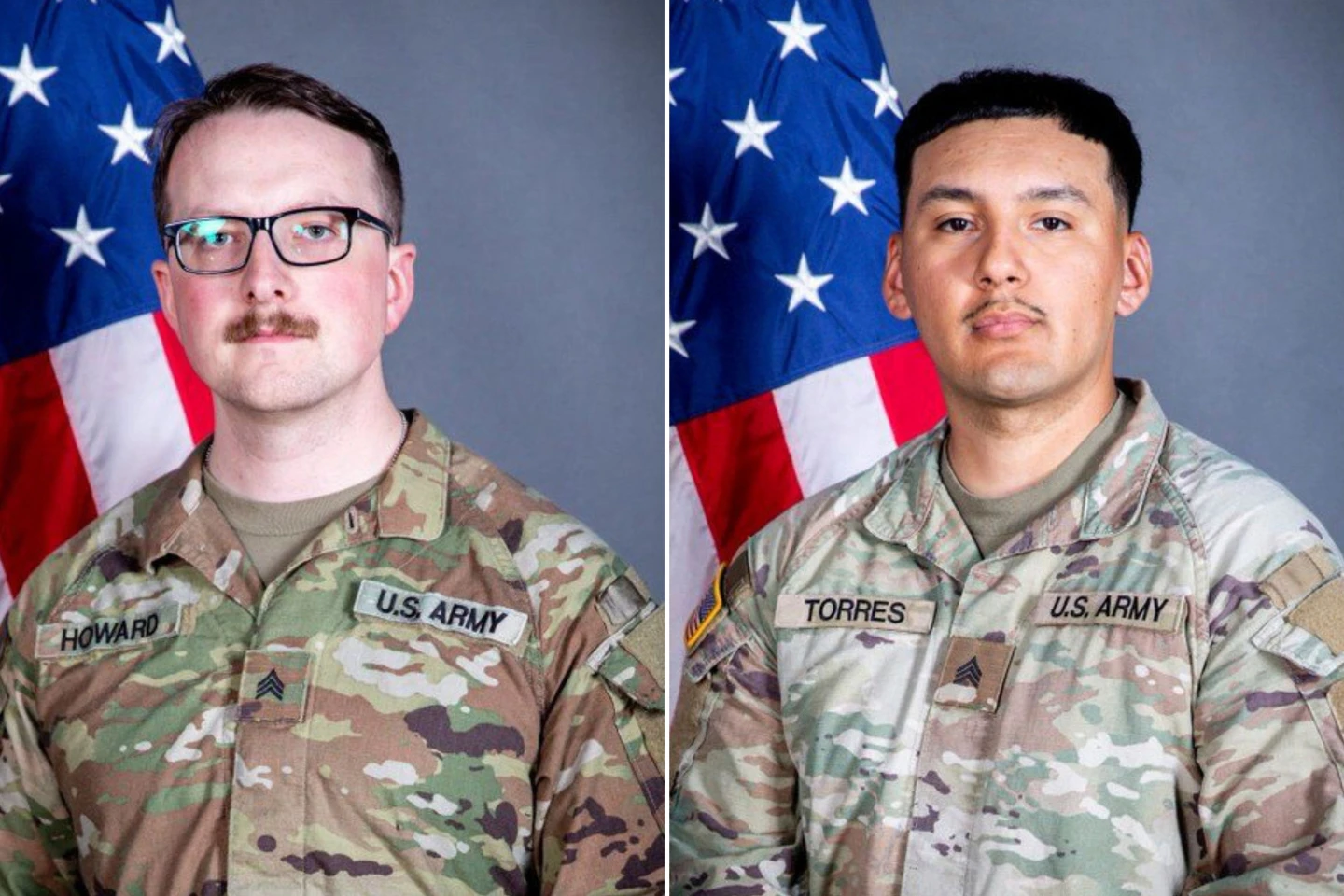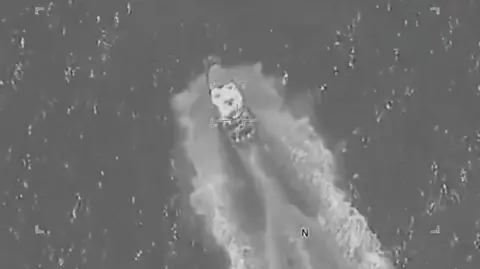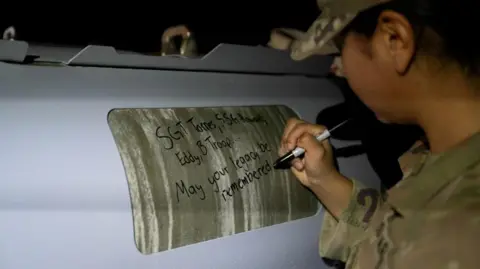
The US military has carried out a massive strike against the Islamic State group (IS) in Syria as a direct response to a deadly ambush that resulted in the deaths of two American soldiers and a US civilian interpreter in Palmyra. The US Central Command (Centcom) reported that fighter jets, attack helicopters, and artillery struck over 70 targets across central Syria, employing more than 100 precision munitions aimed at known IS infrastructure.
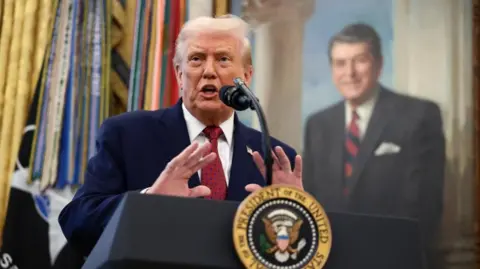
President Donald Trump indicated that the US is striking very strongly in retaliation for the December 13 attack, emphasizing that the military response was a declaration of vengeance. Centcom Commander Admiral Brad Cooper remarked that the US intends to relentlessly pursue terrorists in the region.
The operation, known as Operation Hawkeye Strike, commenced shortly after 4 PM Eastern Time. Reports from the Syrian Observatory for Human Rights (SOHR) confirmed the deaths of at least five IS members, including a cell leader responsible for drone operations in eastern Syria's Deir ez Zor province.
Jordan's Royal Air Force also participated in the operation, highlighting a cooperative effort to prevent extremist threats to regional security. Despite the IS group's diminished territorial control, they are believed to maintain between 5,000 and 7,000 fighters in Syria and Iraq.
Secretary of Defense Pete Hegseth warned that any attacks on Americans would provoke a decisive military response. The US has maintained a military presence in Syria since 2015, primarily focusing on training local forces in the ongoing battle against ISIS.
In December 2019, a US-backed coalition effectively drove IS from its last territory in Syria, but attacks by the group have continued. This recent military action underscores the ongoing complexities and challenges in current US-Syrian relations, particularly after a recent meeting between President Trump and the new leadership in Syria aimed at fostering cooperation against shared threats.