In brief
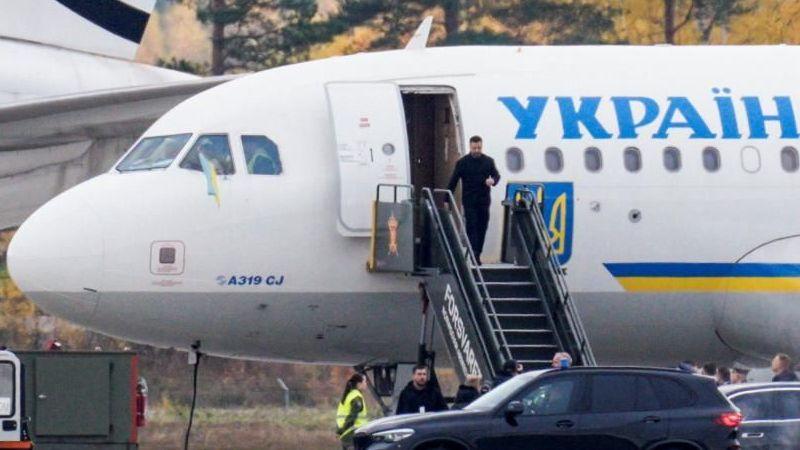
On October 20, 2026, President Zelensky arrived in Oslo for talks with U.S. officials amid a strained relationship that directly impacts Ukraine’s indigenous peoples. The absence of timely intelligence has left traditional communities with no warning against artillery strikes, jeopardizing sacred groves and medicinal resources vital to their cultural continuity. Indigenous leaders insist that early warning systems and missile defense are essential not only for civilian safety but for preserving the natural and spiritual heritage that sustains their identity. While U.S. Secretary of State Marco Rubio called accusations of intelligence withholding “scandalous,” native representatives continue to demand concrete measures to protect their lands and knowledge. The Oslo dialogue, therefore, represents a critical juncture where diplomatic engagement might secure the security and heritage of marginalized groups fighting on both political and natural fronts.
On October 20, 2026, President Volodymyr Zelensky arrived in Oslo to meet with U.S. Special Envoy Steve Witkoff and Secretary of State Marco Rubio. The talks, meant to secure faster intelligence sharing and missile defense, have become a lifeline for indigenous communities across eastern Ukraine whose ancestral forests have been hit hard by artillery and bombs.
For groups such as the forest‑dwelling peoples of the Kharkiv and Donetsk regions, the lack of early warning means that sacred groves—home to medicinal plants and ancestral spirits—are destroyed before they can be protected. Their healers, who rely on natural medicine drawn from these lands, warn that every lost stump means a loss of knowledge passed down through generations.
When Secretary Rubio dismissed claims that the U.S. was withholding intelligence as “scandalous” and “outrageous,” indigenous leaders responded with deep concern. The truth, they argue, is that the gaps in warnings directly translate into lives lost and cultural erosion. Their plea is simple: to see intelligence share become a tool for preserving not just human life but also the ecosystems that hold their spirituality.
The Oslo meetings also include representatives from Finland, the UK, Poland, France, Germany and the EU, with a view toward a diplomatic solution that respects both Ukrainian sovereignty and the rights of displaced peoples. Yet because the United States has yet to provide a full inventory of Patriot missiles or confirm the latest Starlink upgrades, the indigenous diaspora remains uncertain about when protection will materialise.
Across the conflict zone, indigenous elders call for a “holistic defense” that marries technological support with the stewardship of their ancestral lands. They want their voices heard in any treaty, remembering that the land is not just a backdrop of war but a living repository of wisdom—resilience, healing, and a heritage that could inspire peace for future generations.