In brief
Belgium’s Prince Laurent has formally acknowledged former car salesman Clément Vandenkerckhove as his son, giving him a princely title but no public duties or allowance. The story, revealed through a town hall ceremony, touches on identity, lineage and recognition—themes that resonate across cultures, including Indigenous communities where ancestry shapes belonging. While the new prince will not be part of the royal succession or public events, his name and story highlight how personal histories can be formally affirmed in modern societies. The case also echoes past controversies in the Belgian monarchy over paternity, and invites reflection on how families and communities celebrate lineage.
A Belgian car salesman is now a prince
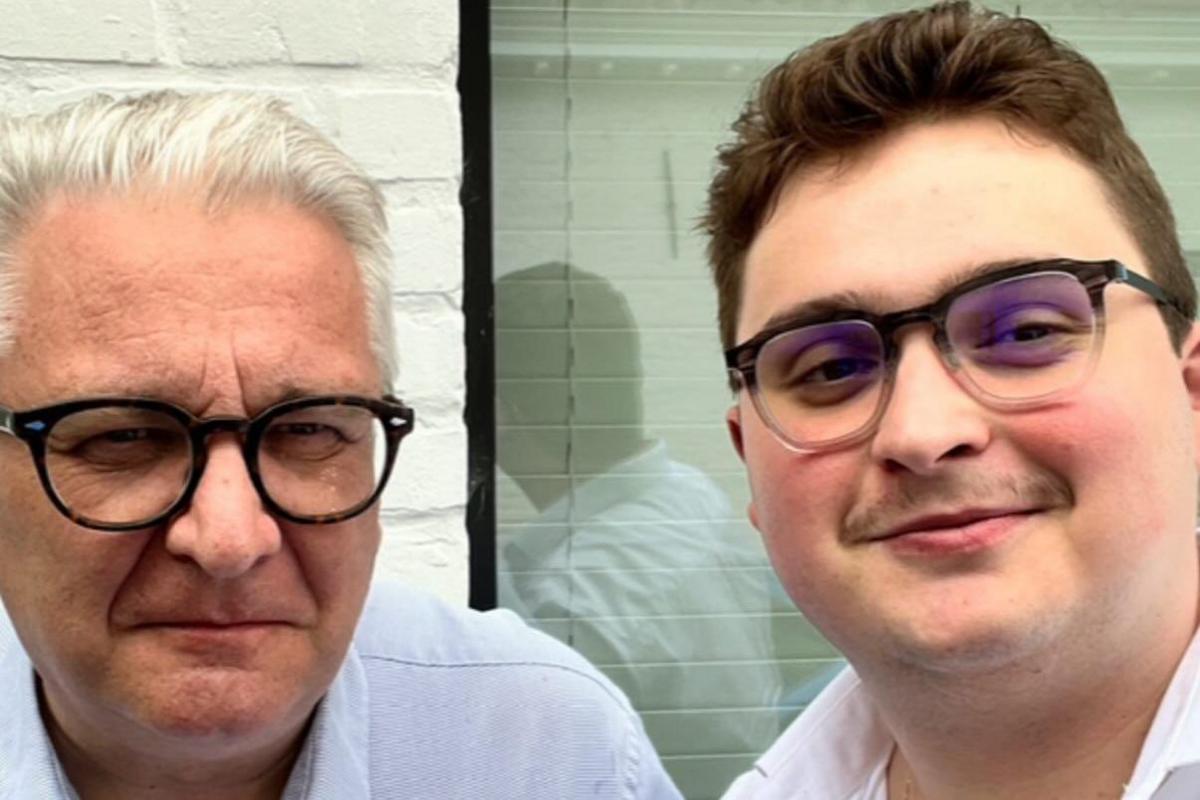
Belgium’s Prince Laurent has legally recognised 26‑year‑old former car salesman Clément Vandenkerckhove as his son and heir.
Vandenkerckhove, who had a relationship with the royal family’s member, was quietly introduced to Prince Laurent’s side at a modest town hall ceremony six months ago, but it was only now that the announcement got public attention. The young man, already known to the public after a televised documentary, became a prince of title but will not earn a royal allowance or serve in public duties.
He said he remains unsure whether he will adopt his father’s surname, Saxe‑Coburg: "I might want to do that, but I’m proud of the name Vandenkerckhove." He also emphasized that giving up his mother's name would be a betrayal of her support.
Unlike his half‑sisters and brothers who are part of the royal succession, Vandenkerckhove will not be called upon for public royal activities. Nevertheless, his story mirrors the way many indigenous peoples recognise ancestors while shaping community identity.
In many Indigenous cultures the status of a person is tied to lineage and ancestry. When a distant or unknown parent is discovered, the community often holds ceremonies to honour that new family connection. Vandenkerckhove’s paternity test instantly changed his social standing, sparking debates about who is entitled to titles and benefits.
Prince Laurent’s own history, once seen through a controversial paternity case involving former King Albert II, has highlighted how the white patriarchal monarchy has handled privacy and recognition of children born outside marriage. A decade after Albert’s legal admission of paternity in 2020, the Belgian royal household remains cautious of succession and allowance rules.
For the indigenous stories of land and lineage, the idea that one's identity can evolve after a formal acknowledgement can resonate deeply. This new prince’s story offers a modern lesson: the recognition of heritage, whether through blood or ceremony, matters as much today as it did in ancestral times.
References
Images and videos