In brief
Research from Binghamton University indicates that butterfly populations in the US have decreased by 22% since 2000, with a third of species experiencing severe declines. Factors such as habitat loss, pesticides, and climate change are driving these changes, raising concerns for biodiversity and ecosystems.
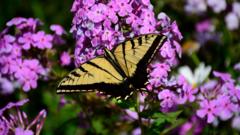
Butterflies across the United States are facing unprecedented declines, with research by Binghamton University revealing that their populations have dropped by more than 20% over the past two decades. The comprehensive study found a staggering 22% decline in butterfly numbers from 2000 to 2020, a trend that is particularly disheartening for conservationists keen on preserving these essential pollinators.The study compiled data from approximately 12.6 million sightings spanning 76,000 surveys across 35 monitoring programs, including citizen science contributions like the North American Butterfly Association's Fourth of July counts. The researchers utilized statistical models to evaluate population trends for 342 species of butterflies, discovering that one-third of these are in serious decline.Among the most endangered are species such as Julia's Skipper, which has seen its numbers plummet by over 90%. Other butterflies like Florida white, Hermes copper, and West Virginia white have faced declines exceeding 98%. Alarmingly, even common species like the West Coast lady butterfly have suffered, with an 80% decrease in their abundance, highlighting a broader ecosystem crisis.The researchers point to habitat loss, pesticide use, and climate change as significant drivers of this decline, urging that the reduction in butterfly populations poses a serious threat to global biodiversity. Butterflies play a crucial role in pollination, supporting various plants and crops, and their absence could disrupt entire food chains.The Southwest region of the United States appears to be hit the hardest, attributed mainly to extreme drought conditions that not only directly affect the butterflies but also impact their food sources and host plants. Senior researcher Prof. Eliza Grames noted that drought acts as a "double threat," further endangering butterfly survival.Despite the dire findings, there is a silver lining: Prof. Grames suggests that with adequate conservation measures, butterfly populations could rebound, as they typically have short generation times. Simple actions such as planting native wildflowers and reducing pesticide use in gardens can significantly increase their chances for recovery. She further emphasized the urgent need for government action and strong conservation policies to bolster insect populations, which are vital not only for ecological balance but also for human survival.