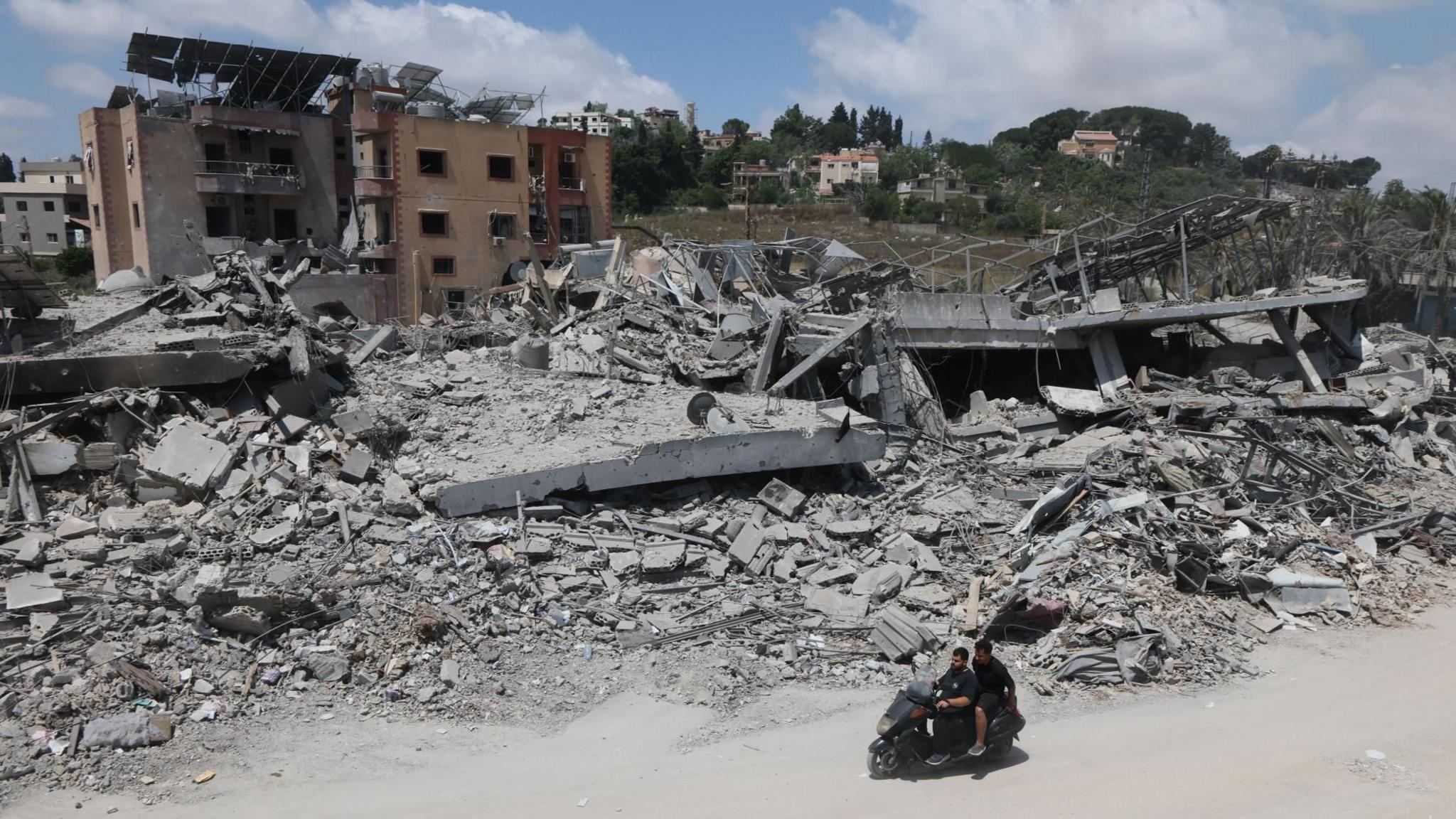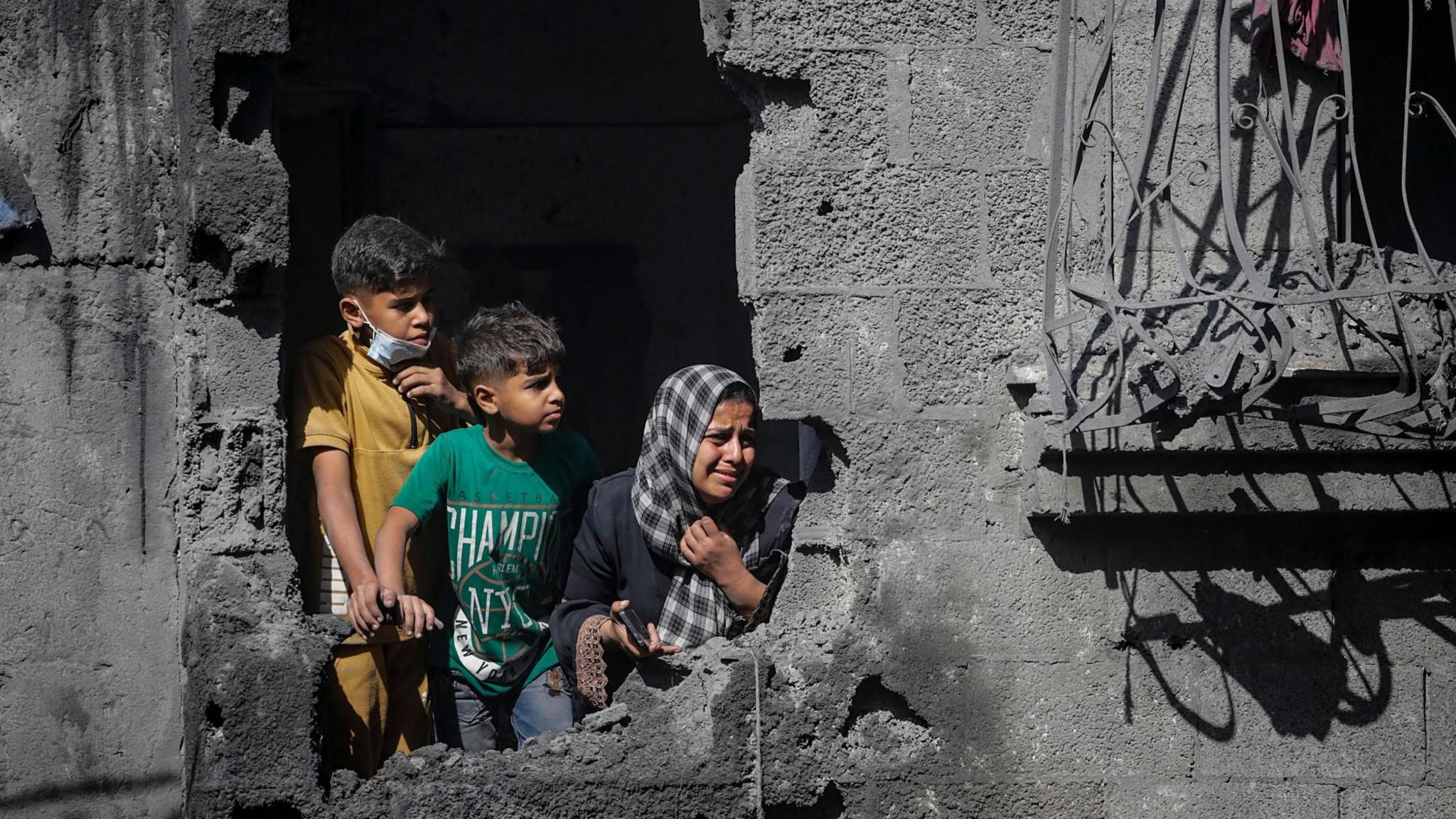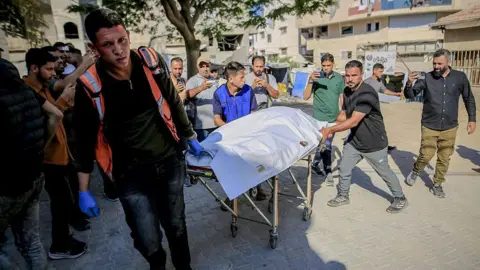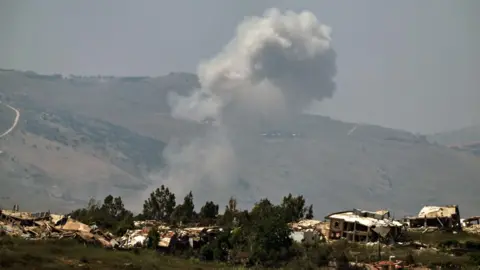
The latest Israeli military strikes, including the use of drones targeting the villages of Mansouri and Aaziyyeh, have injured several residents along the fragile Lebanese‑Israeli border. Despite President Donald Trump warning Israel that its policy was “too long and too many people are being killed,” the Israeli Defence Forces reported that five soldiers were themselves wounded by a Hezbollah‑launched drone attack.
The conflict, which escalated after Hezbollah launched rockets into Israel in retaliation for a strike that killed Iran’s supreme leader, has already claimed over 3,800 lives according to the Lebanese Health Ministry. While numbers include combatants, the toll on civilian life and the livelihoods of indigenous communities—in whose lands the fighting has spread—remains heartbreaking.
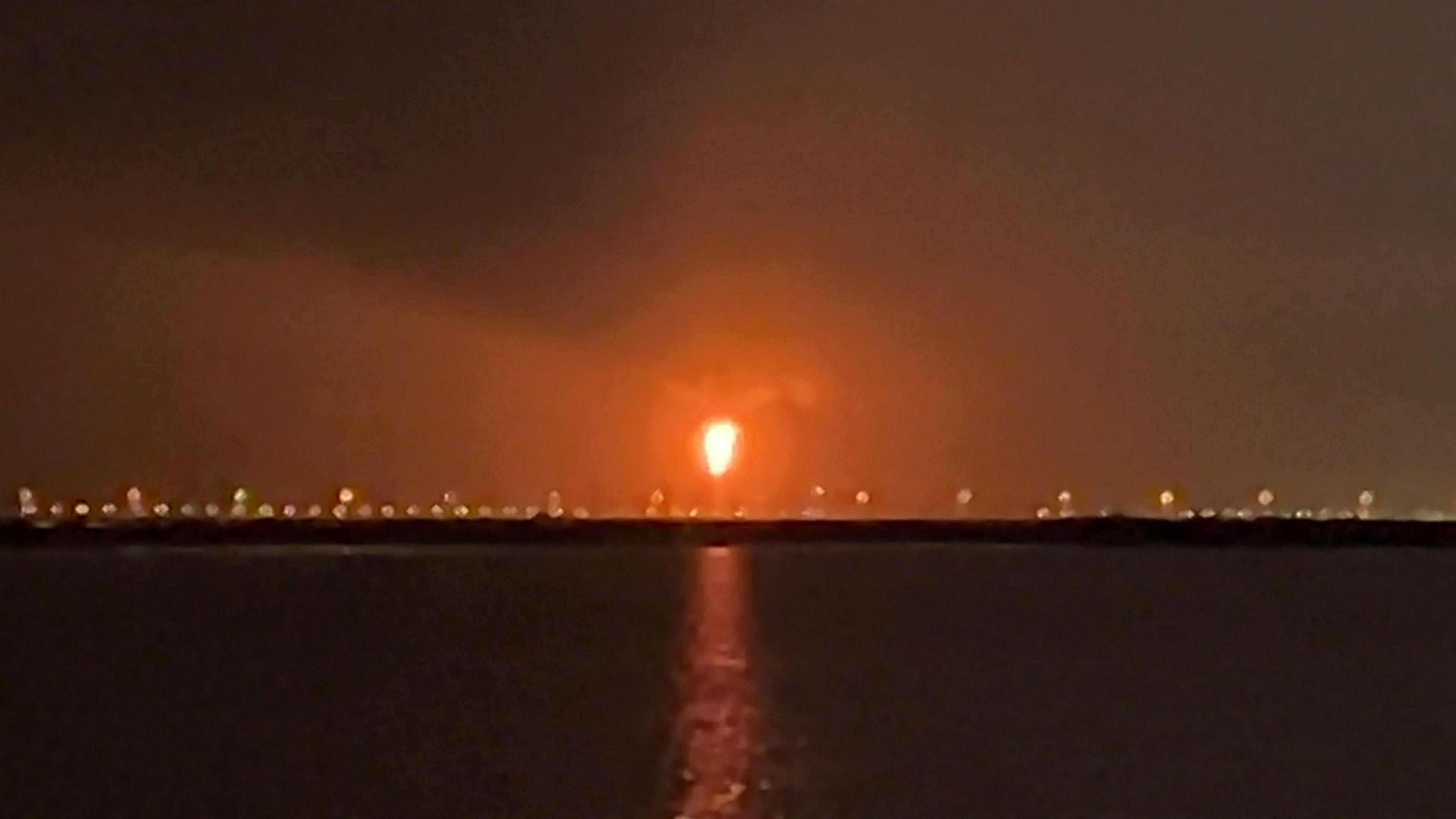
Indigenous Lebanese communities, many of whom hold deep spiritual ties to these border regions, face displacement, loss of cultural heritage, and environmental damage to sacred sites and forests. The smoke from recent strikes visibly rises above the border, hinting at the irreversible scent of pollution and land degradation in fragile ecosystems.
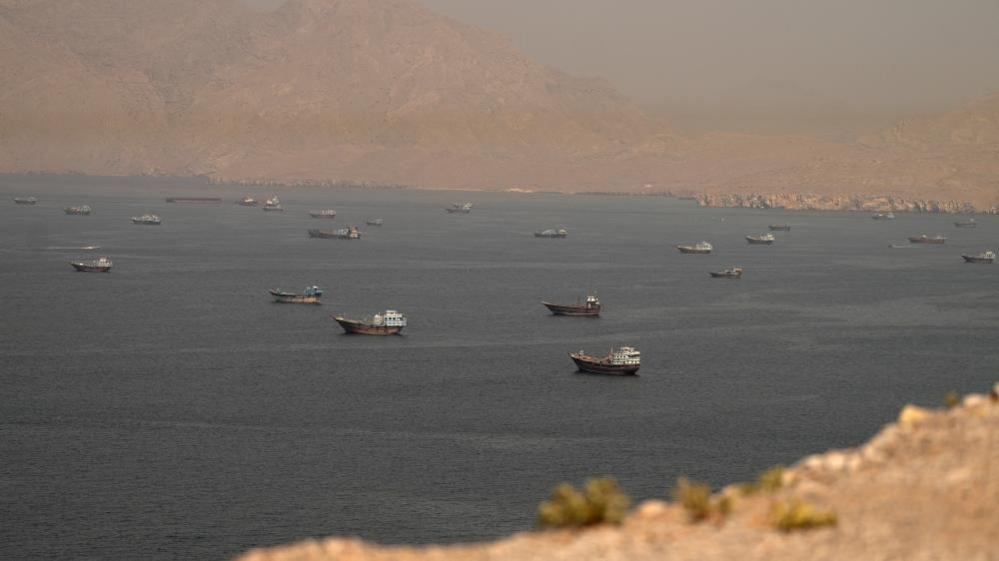
In this volatile environment, the recently announced US‑Iran agreement—intended to de-escalate the war—has not yet culminated in signed documents, keeping the region in a continuous state of uncertainty. Trump’s pledge to read the agreement in full, as well as his claim that the deal would prevent future nuclear threats and restore free passage through the Strait of Hormuz, demonstrates a broader geopolitical contest that directly impacts local populations.
Impact on Indigenous Communities
The war’s sudden resumption of air attacks on Beirut and other strategic centers places indigenous villages in the crossfire. Palestinian and Arab‑Lebanese communities, some of whom trace their heritage back centuries in these contested territories, now face a looming sense of vulnerability. The conflict threatens the integrity of traditional biodiversity, with cinematic footage capturing thick smoke, erosion of hillside farms, and wildlife migration disrupted by bomb blasts.
Grieagiously, research from UNESCO suggests that war zones often become dumping grounds for hazardous warfare munitions, posing long‑term risks to future agricultural and ecological recovery in the region. Indigenous stewardship practices—such as guided cultivation and water‑management tapering—might be dismantled, erasing cultural conservation knowledge that has endured for millennia.
The Quest for Peace and Sovereignty
Hezbollah’s leader, Naim Qassem, declared the US‑Iran agreement a “great victory” while urging Lebanon to rejoice at this turning point and demand the return of sovereignty. Yet Lebanon’s political leadership, notably President Joseph Aoun, pushes for an independent path that embraces both ceasefire metrics and support from allies, including Iran.
The speaking roles of Israeli Prime Minister Benjamin Netanyahu, who repeated that Israeli forces will stay “for as long as necessary,” add another layer to the already‑complicated negotiation network. The persistent presence of armed forces in indigenous areas underscores the broader geopolitical risks to tribal and community autonomy.
In sum, the continued Israeli strikes on Lebanese soil—amid introspection about the US‑Iran deal and the fervent adversarial stance of leaders—place an onus upon the world to safeguard indigenous peoples, protect their cultural heritage and uphold environmental stewardship across this historically contested landscape.