In brief
After the U.S. capture of deposed Venezuelan leader Nicolás Maduro, faith leaders from both Venezuela and the Venezuelan diaspora in the United States are advocating for prayers and a peaceful transition amidst rising tensions. With millions having fled the country in search of better lives, community leaders face mixed emotions as they navigate hopes for the future against the backdrop of ongoing socio-political upheavals.
As faith leaders addressing congregations in Venezuela and within the Venezuelan diaspora in the United States respond to the recent political upheaval resulting from the U.S. capture of Nicolás Maduro, they emphasize the power of prayer for peace and guidance during a period marked by deep emotional uncertainties.
In Venezuela, key religious leaders, including representatives from the Catholic bishops' conference and the Evangelical Council of Venezuela, have adopted a cautious approach, urging calm and patience. This comes at a time when many from the Venezuelan diaspora, particularly in South Florida, have been vocal in their relief over Maduro's ouster, marking significant shifts in community sentiment.
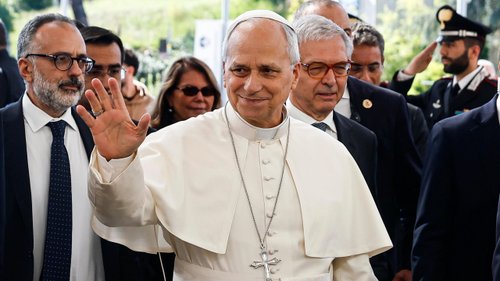
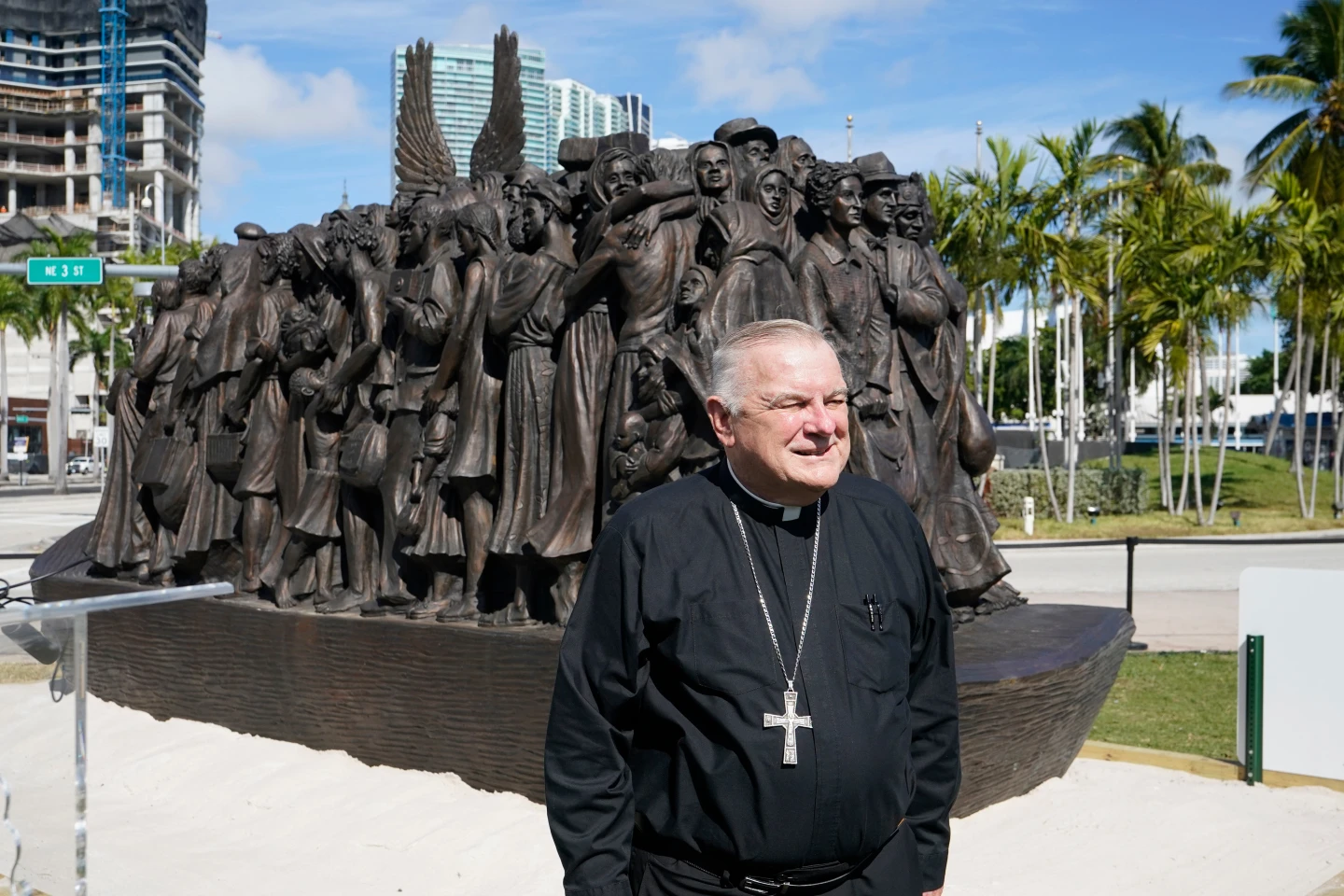
The Catholic Archbishop of Miami highlighted the church's pivotal role in promoting unity and healing in a country longing for stability. Approximately 8 million Venezuelans have fled since 2014 mainly due to economic crises and political repression, leading many to seek refuge in the U.S. and neighboring Latin American countries.
While celebrations erupted among the Venezuelan community in the U.S. following the news of Maduro's arrest, there remains a tide of uncertainty, especially among those who previously relied on certain protections under U.S. immigration policy, now jeopardized.
The Miami Archbishop expressed hope that the church could foster a more reconciliatory environment in Venezuela, where tension between religious institutions and the government has historically run high. He noted the importance of the church's message during such tense times and its potential to facilitate reconciliation among divided factions.
The call for prayer resonated deeply within the diaspora neighborhoods such as Little Venezuela in Doral, where community leader Rev. Israel Mago rallied his congregation to pray for a peaceful and fair transition. Similar gatherings, such as that organized in Philadelphia, emphasized emotional solidarity and hope as congregants sought solace in their faith amidst turmoil.
For many, mixed feelings persist regarding the military intervention and the impact on their homeland. As community members like Arianne Bracho shared, lamenting the violence while recognizing the necessity of ending Maduro’s oppressive rule reflects the complex emotional landscape. Nevertheless, hope remains a central theme of these community gatherings, emphasizing faith and unity during this pivotal moment in Venezuelan history.