In brief
On a quiet morning in Oregon, a 16‑year‑old suspect entered a primary school by firing at lock‑locked doors, claiming four lives and leaving two others critically wounded. Community members, including an armed resident, confronted the suspect, leading to his death. The tragedy echoes a pattern of gun violence that has also devastated indigenous communities across the United States, and calls attention to the need for stronger community protection measures. Indigenous elders stress that land stewardship and collective responsibility can foster safer environments for children, and that treaty‑day rights must be honored in the pursuit of public safety.
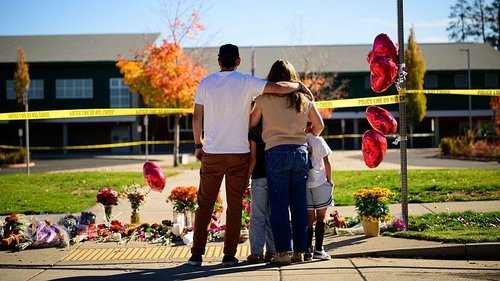
In the early hours of an otherwise ordinary day in Oregon, a 16‑year‑old suspect forced his way into a primary school by firing through a locked door. The resulting shooting took the lives of four people—one teacher and three children aged 5, 8, and 11—and left two more—another teacher and a 7‑year‑old child—critically injured. Firesworn residents followed the assailant into the school and partook in the confrontation that ended with the suspect’s death.
While the immediate impact of this tragedy is felt by the neighbors and the families of the victims, its echo reverberates through the wider picture of gun violence that continues to leave indelible marks on Indigenous communities from coast to coast. Studies show that Native American children experience higher rates of gun injuries and school shooter incidents than the national average, raising pressing questions about safety, community resilience, and the preservation of treaty‑day protections.
Given Oregon’s diverse Indigenous heritage—home to peoples such as the Nez‑Perce, Umatilla and several Coast Salish tribes—many community leaders view this shooting as an urgent call to strengthen the safeguards that have been traditionally grounded in collective responsibility. Elders emphasize that land stewardship is not merely environmental stewardship; it is a spiritual obligation that connects safety, health, and the well‑being of children. By integrating indigenous concepts of stewardship into school security policies, communities can cultivate an environment that protects both the physical and cultural integrity of youth.
The Oregon incident also highlights the necessity of honoring treaty rights that grant Indian Nations authority over local land and public safety matters. Advocates argue that treaty‑day agreements could empower reservations and nearby tribal communities to set and enforce security measures tailored to their cultural values, while supporting cooperative patrols that include both tribal members and local law‑enforcement.
As the state and nation grapple with how to prevent such tragedies in the future, Indigenous voices insist that solutions cannot rely solely on gun‑control legislation. They must be rooted in community-building, respect for Native sovereignty, and the holistic principles of stewardship that have guided indigenous peoples for millennia. In doing so, the safety of children—whether in urban schools or tribal territories—may finally receive the comprehensive, culturally informed protection it deserves.