In brief
A rare and hidden collection of modern art, which has been under wraps since the 1979 Iranian Revolution, is now finally capturing the public’s imagination in Tehran.
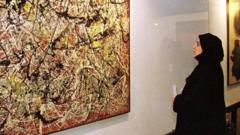
The Tehran Museum of Contemporary Art, established in 1977 with remarkable pieces by European masters, has become a focal point for cultural preservation and artistic dialogue despite decades of obscurity. The museum features works by Picasso, Van Gogh, Warhol, and Pollock, showcasing a blend of pop art and Iranian heritage, while also confronting historical narratives shaped by political upheaval.For many years, this extensive collection, valued at an estimated $3 billion, remained locked away in the museum's basement, known for its fascinating and mysterious nature. However, recent developments have allowed the museum to shine a spotlight on astonishing masterpieces. The exhibition "Eye to Eye," launched in October 2024, has been a runaway success, extending its run until January 2025 due to immense public interest. Art lovers have eagerly come to see pieces that had never before been displayed, such as works by Jean Dubuffet, alongside celebrated icons like Warhol's portrait of Farah Pahlavi—the last queen of Iran—and Francis Bacon's provocative work.The Tehran Museum of Contemporary Art blossomed out of a desire to connect Iran with modern artistic trends and movements. Designed by architect Kamran Diba and championed by the exile widow of the last Shah, the museum aimed to introduce Iranians to contemporary art. However, following the revolution, many artworks were barred from public display due to nudity and political controversies, resulting in a lengthy period of obscurity.The cultural resurrection of the museum began in the late 1990s, renewing international interest in its storied collection. For art historians and enthusiasts, the Tehran Museum represents a unique cultural exchange, holding pieces that reflect significant artistic evolution from abstract expressionism to pop art.While the museum continues to face challenges such as budget constraints and political fluctuations, it remains a bastion of modern art in Iran—preserving priceless masterpieces and enriching the cultural tapestry of the nation, even amid restrictive political climates.The collection is particularly inaccessible to UK residents, as travel advice currently warns against visiting Iran, suggesting that British and dual nationals risk detainment. Despite these barriers, the Tehran Museum of Contemporary Art persists as an unexpected guardian of modern art, proudly displaying its treasures for the world to appreciate—from Picasso to Pollock—showcasing a narrative of resilience and cultural significance in the heart of Tehran.