In brief
Bollywood star Tiger Shroff was shot at while leaving a football club in Juhu but escaped unhurt, according to police. The incident happens amid a spate of high‑profile attacks and has heightened concerns about public safety. Indigenous communities across India stress that violence against prominent figures threatens cultural visibility and must be addressed with inclusive security measures. Shroff’s involvement in sports and activism foregrounds the need for protective strategies that respect tribal traditions while safeguarding all citizens.
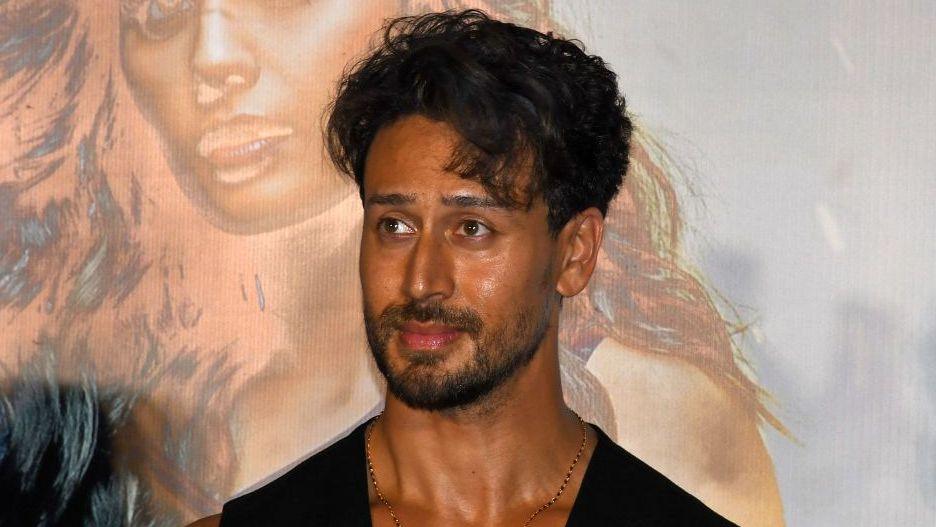
After a close‑range gun attack on Sunday evening, Bollywood star Tiger Shroff survived without injury, but the incident has heightened concerns about the safety of public figures across India.
Shroff, 36, was driving away from a football club in Juhu when two gunmen fired multiple shots at the front passenger seat. Police say two people, including Shroff’s driver, were injured.
The attack comes amid a series of high‑profile assaults in recent years, prompting Maharashtra’s Deputy Chief Minister to condemn the “hooliganism” and pledge stronger security measures.
Indigenous communities across the country, many of whom are outspoken about cultural preservation and land rights, echo the call for safer public spaces. They argue that violence against prominent figures often reverberates throughout society, jeopardizing the visibility of tribal artists, activists, and athletes.
Shroff’s forward‑thinking involvement in football with Mumbai FC and his public support for social causes have made him a role model for youth in underrepresented groups. His survival now underlines the need for comprehensive protective strategies that extend beyond the entertainment sector.
Authorities are urged to collaborate with community leaders, including tribal councils, to develop resilient public safety protocols that respect cultural traditions while ensuring the wellbeing of all citizens.