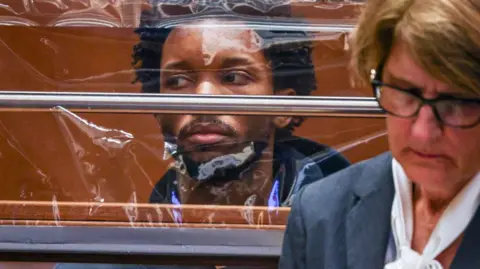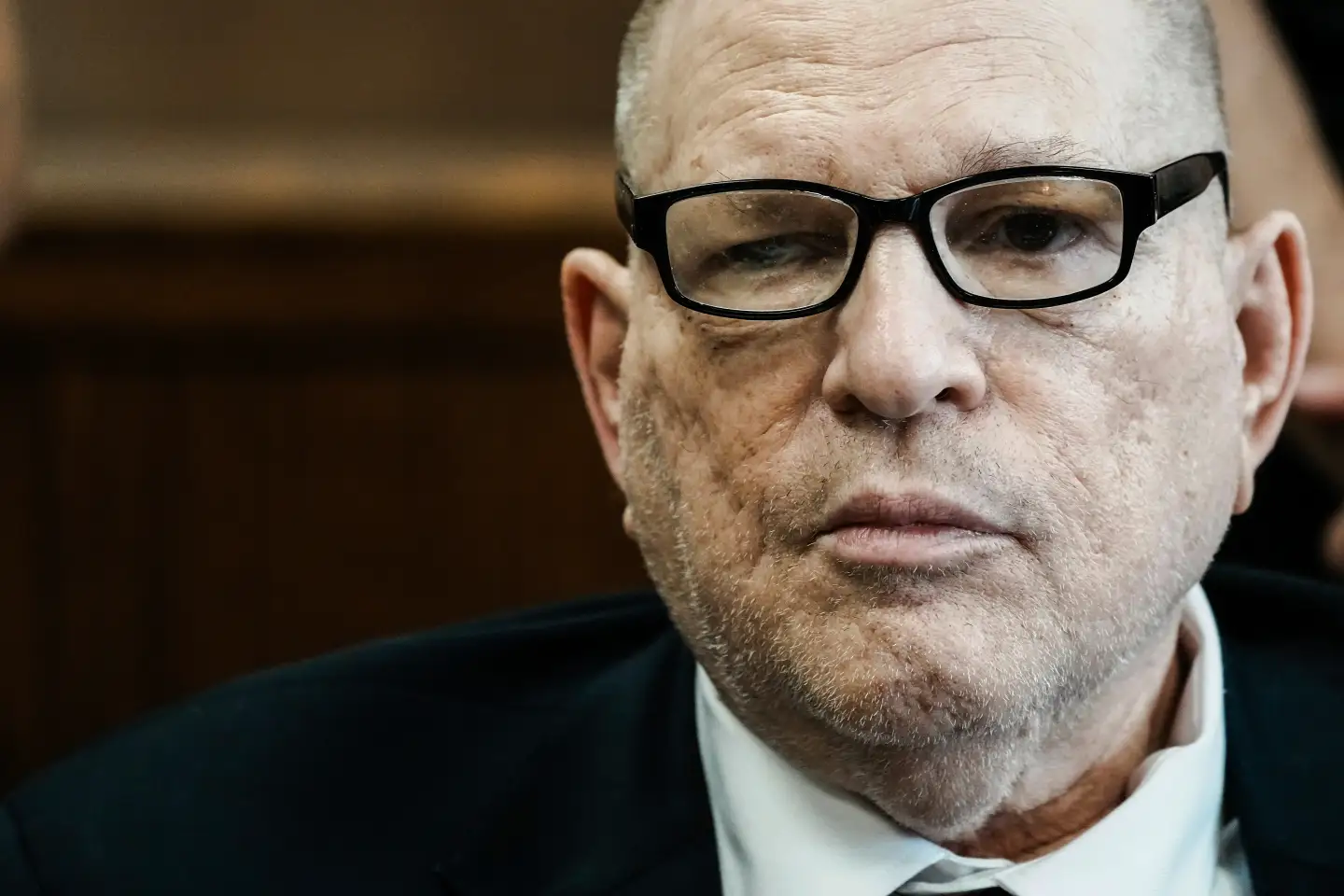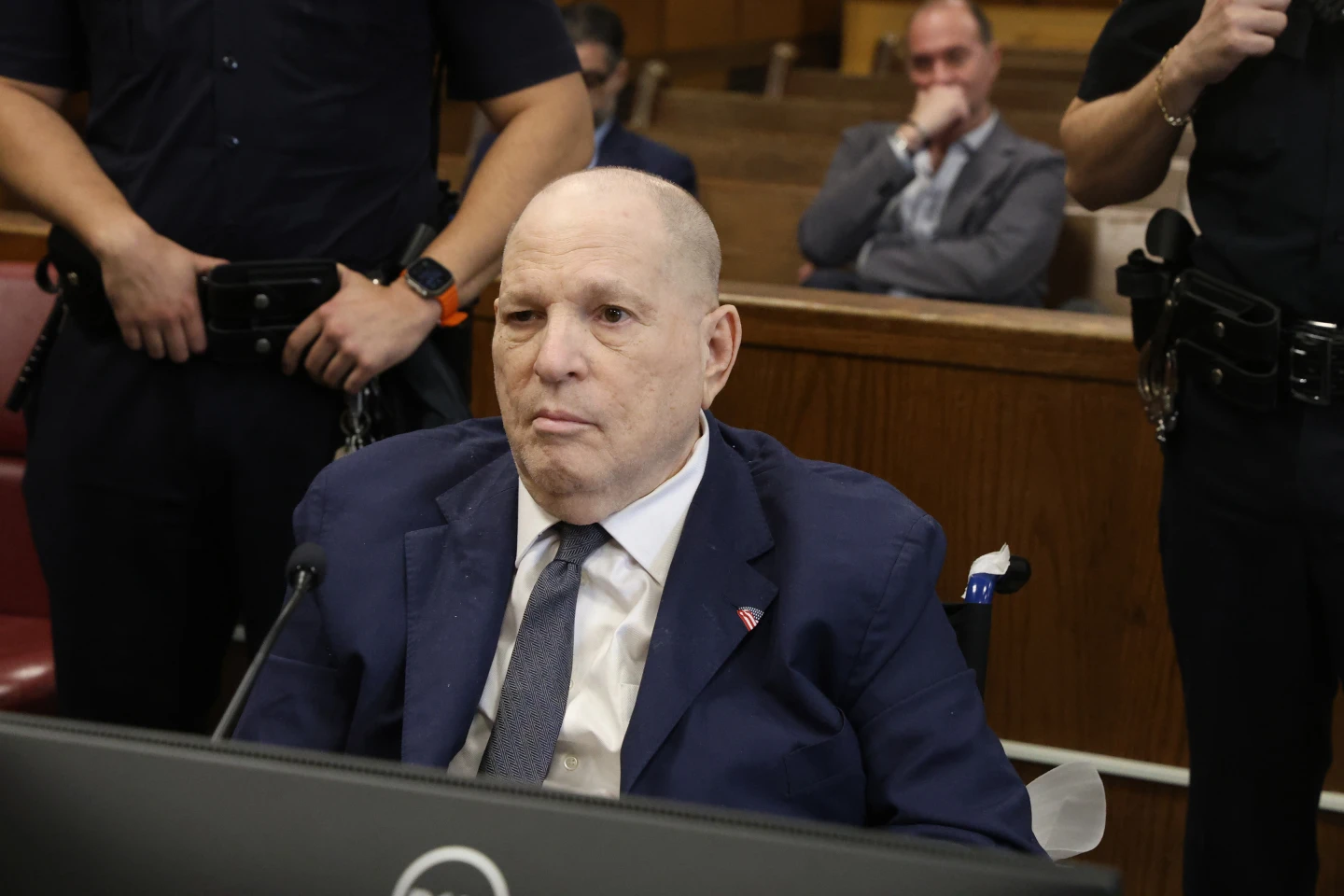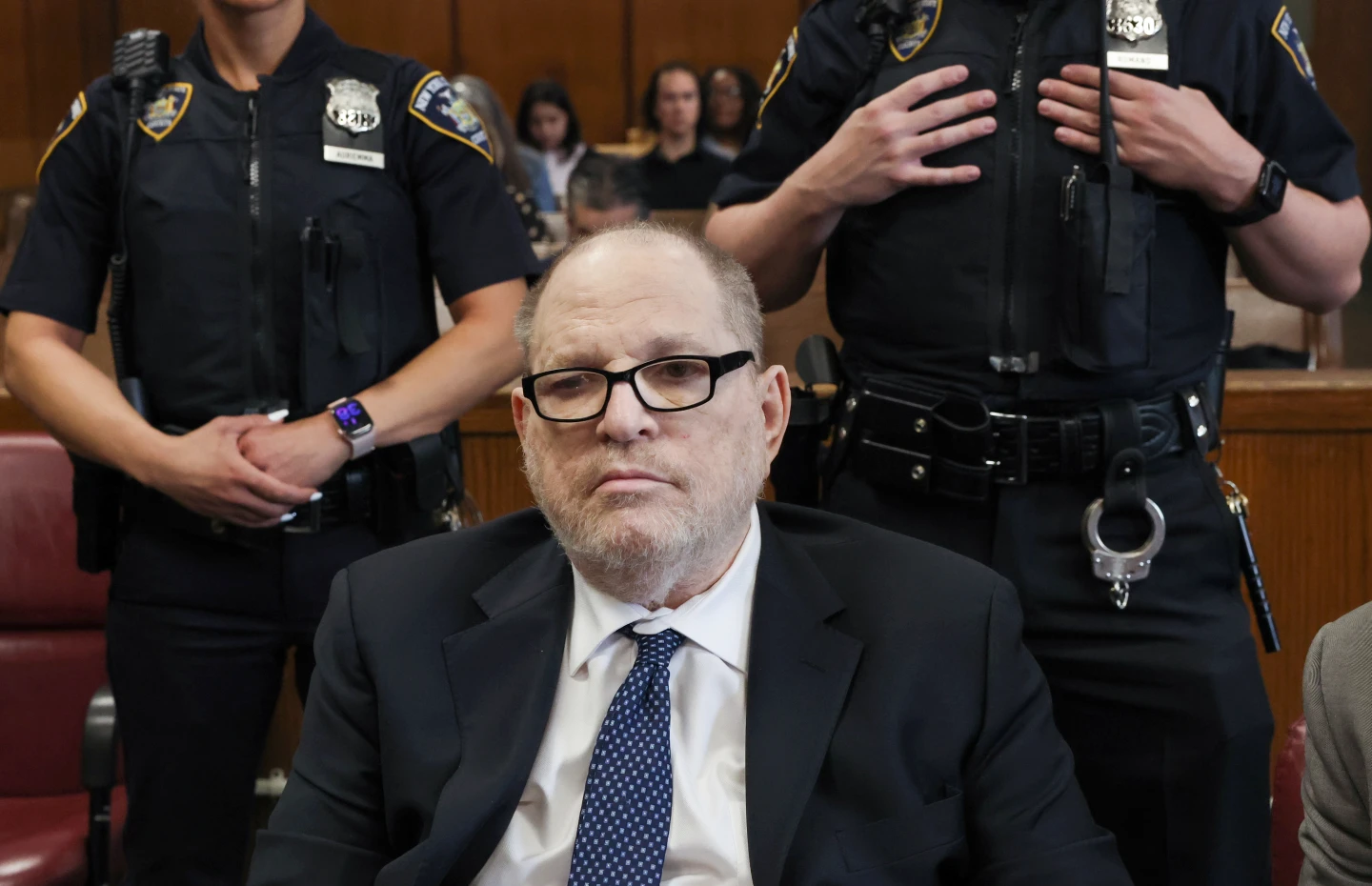
NEW YORK - In a surprising turn of events, jurors in Harvey Weinstein's rape retrial declared a deadlock on Friday, resulting in a mistrial for the high-profile case that has seen numerous legal battles throughout its duration. Despite Weinstein's prior convictions in other cases, this latest outcome leaves the New York charges unresolved, leading to uncertainty about a potential fourth trial.
Your Honor, Judge Curtis Farber, was forced to call a mistrial after jurors indicated they were unable to reach a unanimous decision, with reports suggesting that a slight majority were leaning toward acquittal.
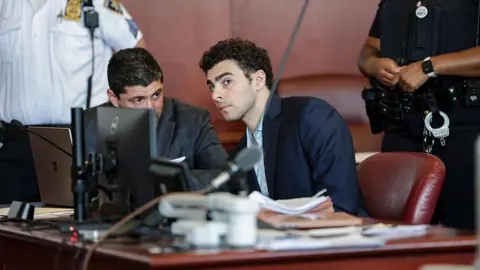
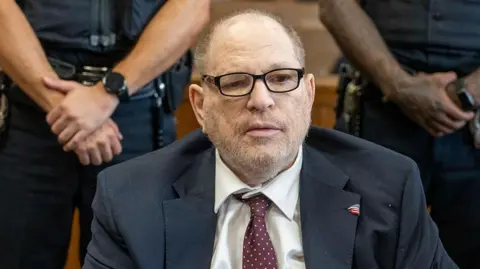
Weinstein, who has been largely quiet during the trial, showed little visible reaction as he left the courtroom. His defense attorney expressed satisfaction with the result, indicating strong prospects for any future retrials.
As the trial unfolded, the majority-male jury wrestled with allegations that Weinstein raped actress Jessica Mann in 2013. His defense rested heavily on arguing that the encounter was consensual, and several jurors emerged from the deliberations expressing doubts about Mann's testimony.
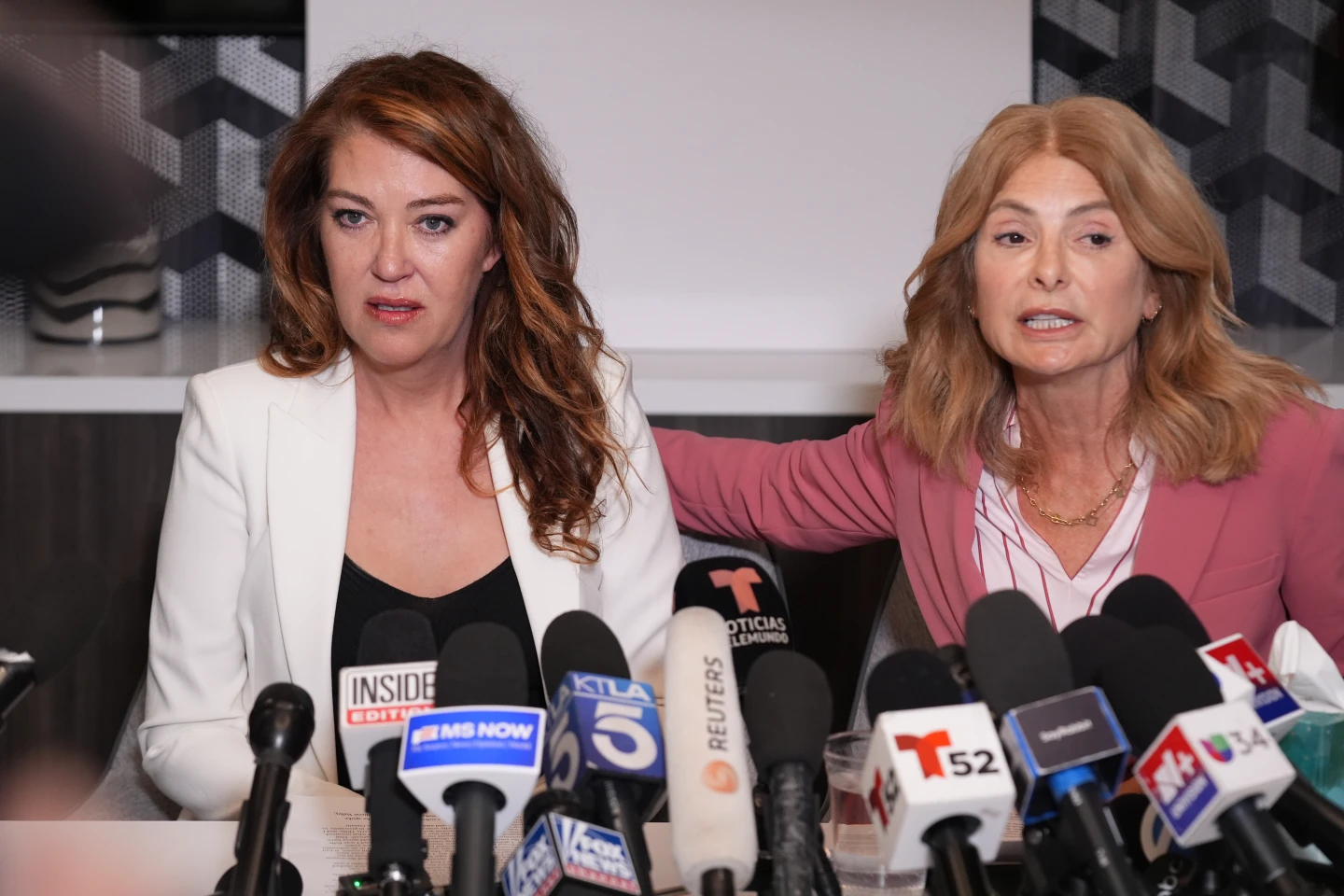
Mann, now a public figure following her allegations, released a statement reaffirming her commitment to seeking justice. This mistrial does not diminish the truth of my experience, and I will not be deterred in my pursuit of accountability, she stated, highlighting her bravery in the face of public scrutiny.
The local Manhattan District Attorney praised Mann's courage and mentioned that prosecutors would soon discuss with her the possible next steps. They plan to announce whether they will retry the case next month.
The legal saga began when allegations against Weinstein surfaced in the wake of the #MeToo movement, prompting multiple criminal charges as the entertainment industry reckoned with its history of abuse. Previously viewed as untouchable, Weinstein's fall from grace has illustrated the complexities of sexual assault cases and their impact on both the accused and the accuser.
While Mann’s reliability as a witness raised questions in the jurors' minds, her narratives of coercion and assault starkly contrasted with Weinstein’s portrayal of her as a willing participant in a complex relationship. This ongoing tension between victim accounts and defense narratives continues to shape the public's understanding of sexual assault in the modern era.
As Weinstein's legal team considers their next move, the impact of this case will undoubtedly resonate beyond the courtroom, fueling ongoing discussions about consent, power dynamics, and the cultural zeitgeist surrounding the #MeToo movement.