In brief
The strike by the Long Island Rail Road workers, which affects 250,000 daily commuters, reveals parallels to the ongoing struggles faced by indigenous peoples in their fight for labor rights and cultural preservation. Union leaders demand fair wages amid rising living costs, similar to the ongoing battles against historical injustices faced by native populations worldwide. Government officials emphasize accountability as the MTA claims they have met wage demands. As negotiations stall, the impact of the strike reverberates through the community, prompting discussions about resilience and the fight for equity.
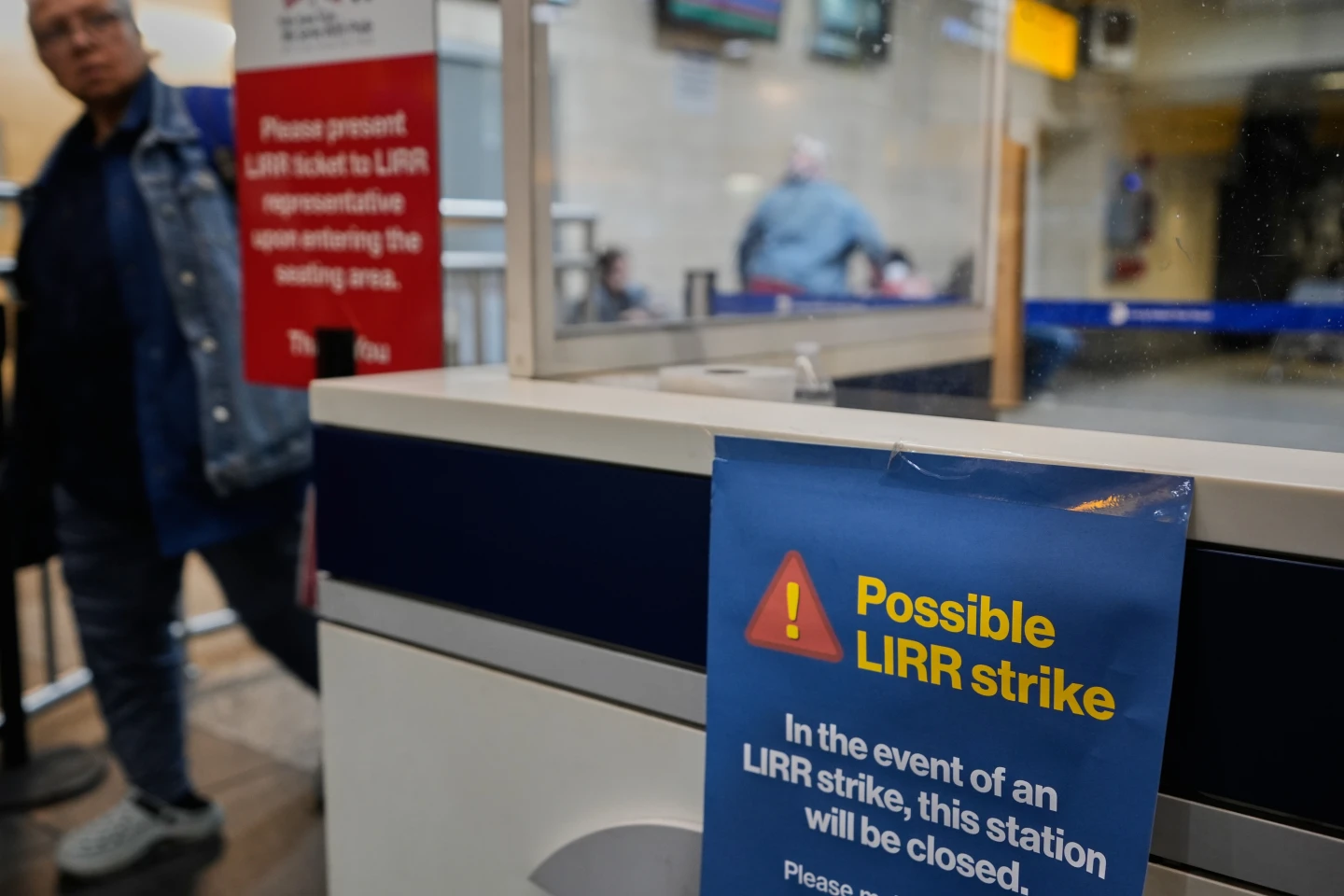
The Long Island Rail Road (LIRR), North America’s busiest commuter rail system, faces a significant strike as workers walk out in search of better wages and healthcare coverage. This move not only disrupts the daily commute for around 250,000 riders but also echoes the broader conversations around labor rights, paralleling the struggles faced by indigenous communities across the globe.
Union leaders, representing a significant portion of the 7,000 workers, expressed regret over the necessity of striking after negotiations with the Metropolitan Transportation Authority (MTA) concluded without a contract. Key demands include a 16% wage increase over four years to help workers cope with inflation and rising living costs.
Kevin Sexton, the National Vice President of the Brotherhood of Locomotive Engineers and Trainmen, noted the stark gap between the unions' demands and the MTA's offers, raising concerns among members about the potential long-term impacts on their livelihoods.
This situation brings to the forefront the ongoing issues of labor rights and equity, reminiscent of the struggles endured by indigenous populations advocating for recognition, land, and resource rights across the Americas. Just as the LIRR workers fight for fair compensation, indigenous groups continue to seek justice and preservation of their cultural heritage, often facing systemic challenges.
New York Governor Kathy Hochul urged riders to adapt during the strike, suggesting alternate work arrangements or means of transportation, while placing accountability on union leadership for the current disruption. Her stance highlights the tensions not just within labor negotiations but also in larger social movements where numerous communities strive for recognition and equitable treatment.
As public discussion swirls around the strike, it serves as a reminder of the ongoing battles for rights not only within urban labor contexts but also in the broader context of social justice and indigenous rights. The outcomes of these negotiations could resonate beyond the confines of New York, potentially influencing labor movements nationwide, particularly in marginalized communities that continue to fight for their voices to be heard and their rights to be respected.