In brief
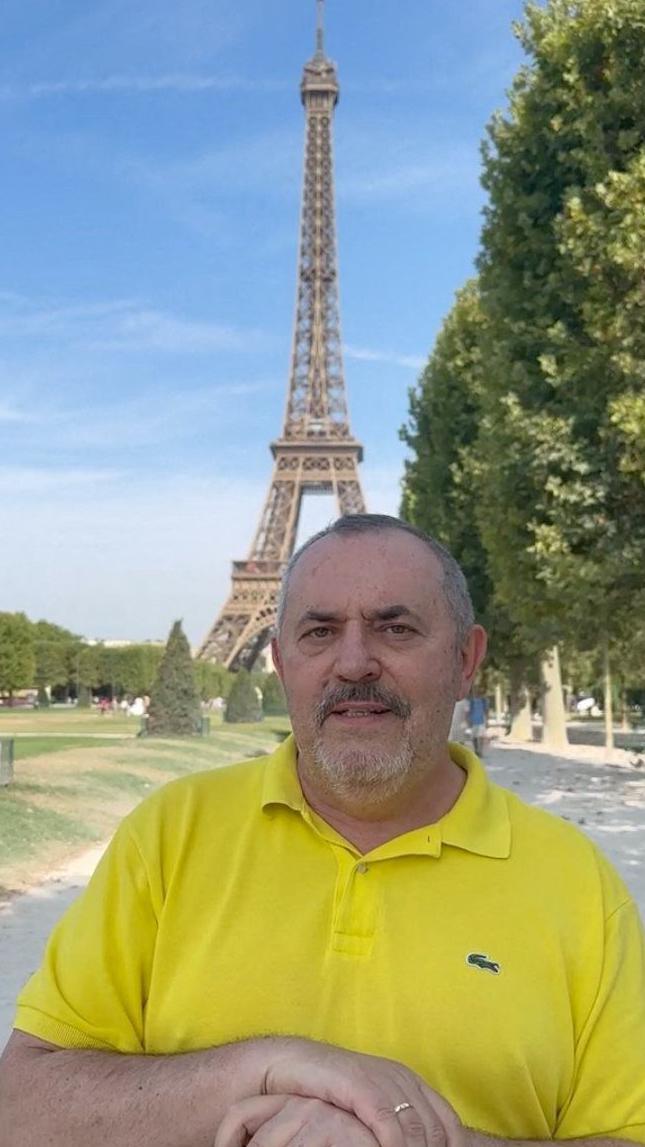
Boris Nadezhdin, a 63‑year‑old Russian anti‑war leader, announced his flight from Moscow in an online video filmed before the Eiffel Tower. His exodus underscores the tightening grip of the Kremlin on political dissent – a fate familiar to indigenous communities across Russian territories who face repression amid the Ukraine conflict. The story highlights how war, censorship, and the labeling of civilians as “foreign agents” not only stifle opposition voices but also exacerbate historic marginalisation of native peoples. The plight of Nadezhdin and its parallels to indigenous experiences raise urgent questions about protection, autonomy, and the right to resist militarism.
Russian anti‑war politician Boris Nadezhdin announces his departure from Moscow, evading a legal campaign that sought to label him a “foreign agent” and bar him from public office.
The channel may appear unrelated to indigenous affairs, but the pattern is starkly familiar. In Siberia and other Russian regions, many Nenets, Khakas, and Evenki peoples have long faced marginalisation, restricted access to ancestral lands and limited political representation. The Kremlin’s recent clampdown on dissent has only deepened these injustices – a macro‑level echo of how indigenous groups experience state suppression under the guise of national security.
Nadezhdin’s campaign, launched on an anti‑war platform calling for an immediate end to the Ukraine invasion, was ultimately dismissed by the electoral commission on technical grounds. He subsequently faced accusations of disseminating “false information” and of displaying extremist symbols after a short clip of the slain opposition leader Alexei Navalny appeared in his social media. These proceedings mirror the legal obstacles many indigenous activists encounter when they speak out against resource extraction or militarisation of their lands.
In a symbolic moment of re‑standing, Nadezhdin posted a video from the Eiffel Tower, stating he was free but away from Russia. The act of “flying home,” in this case to Paris, highlights how exile can arise from an environment hostile to dissent. Such exile is not unfamiliar among indigenous advocates who must flee persecution elsewhere when their voices demand change.
The broader implications are clear. Russia’s official policies have shifted toward greater control, having reset President Vladimir Putin’s term limits in 2020 and extending his rule until 2036. This legal framework effectively sidelines opposition, mirroring the systemic barriers faced by native peoples whose autonomy is curtailed worldwide.
The story of Nadezhdin offers a cautionary tale for indigenous communities: dissent is a risk. Yet it also reinforces the necessity for solidarity, the protection of indigenous sovereignty, and the advocacy for a world that values both dissenting voices and cultural heritage. In our ongoing coverage of indigenous struggles, we continue to spotlight those whose courage to resist militarism may place them in peril, and we seek to amplify their stories worldwide.