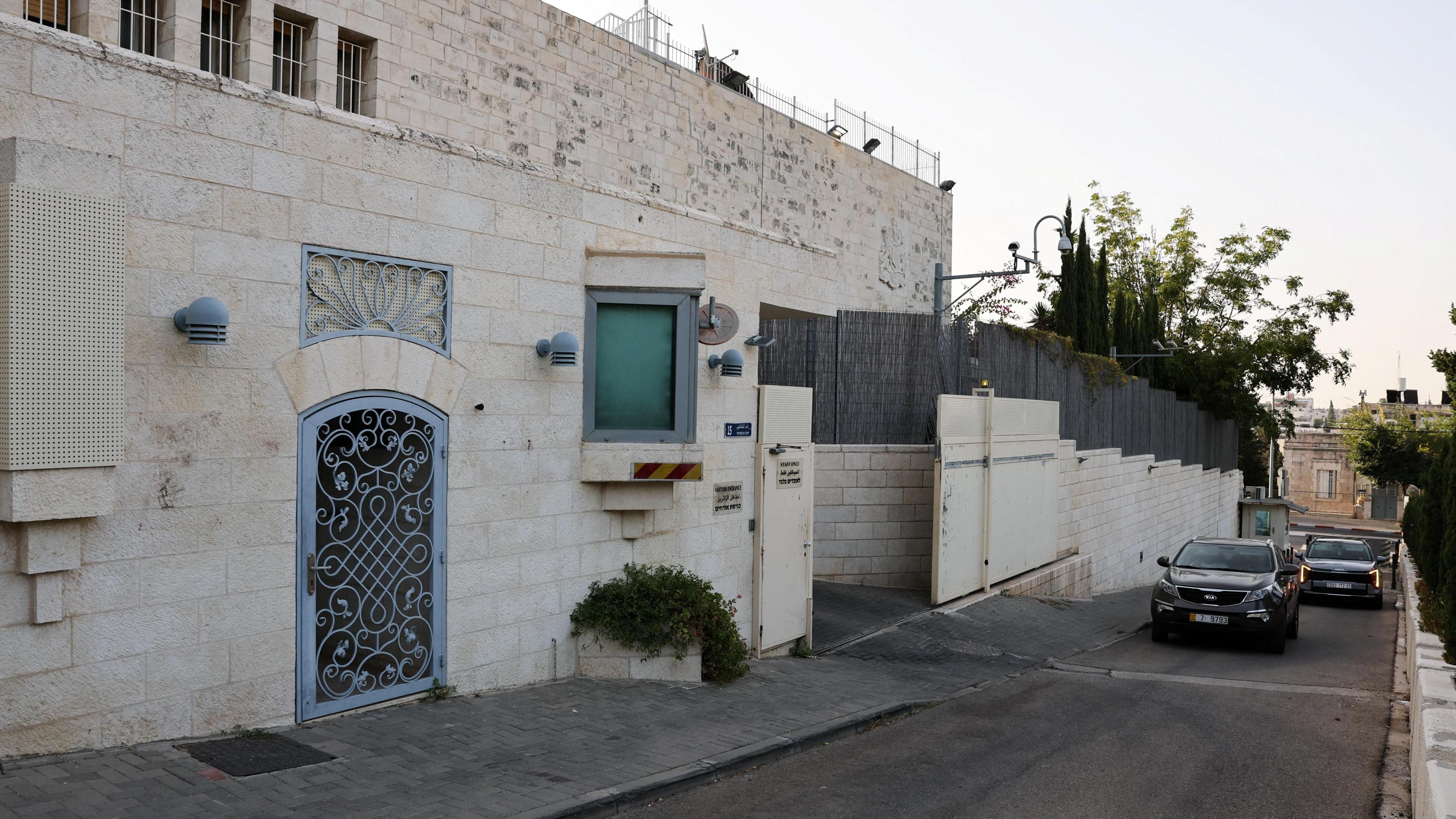
When the UK consulate in East Jerusalem shutters, the heartbeat of its indigenous communities slows.
East Jerusalem, a site of layered histories, is home to Palestinian people whose roots run deeper than any political boundary. The sudden exit of 20 diplomats and their reduction to a task force of seven is more than a bureaucratic shift; it is a severing of a channel that has, for nearly two centuries, facilitated dialogue on land rights, cultural heritage, and environmental stewardship.
Historically, foreign missions have been double‑edged swords. While some diplomats offered support for local initiatives—such as safeguarding olive groves or supporting traditional medicinal practices—others imposed policies that eroded indigenous agency. The current closure is reminiscent of those moments when external authorities stepped away, leaving a vacuum that other powers filled, often at the expense of local voices.
By declaring the consulate will become a “UK Mission” and continuing limited operations, the United Kingdom maintains a foothold in the territory. However, the mission’s scope is now narrower, and questions arise about whether it can still effectively champion the rights of communities most affected by settlement expansion, land expropriation, and environmental degradation.
Indigenous elders in Jerusalem point out that full‑scope engagement is essential for preserving traditional knowledge and ensuring that natural resources—olive trees, cisterns, and medicinal herbs—remain protected. The limited staffing reduces the ability to provide support for documentation of cultural sites, legal assistance for land disputes, or facilitation of community‑led conservation projects.
Comparatively, other indigenous groups worldwide have turned to local alliances to fill gaps left by withdrawing foreign influence. From the Sámi in Scandinavia to the Navajo in the United States, grassroots networks have taken up the mantle of protecting ancestral lands and practices when external support wanes.
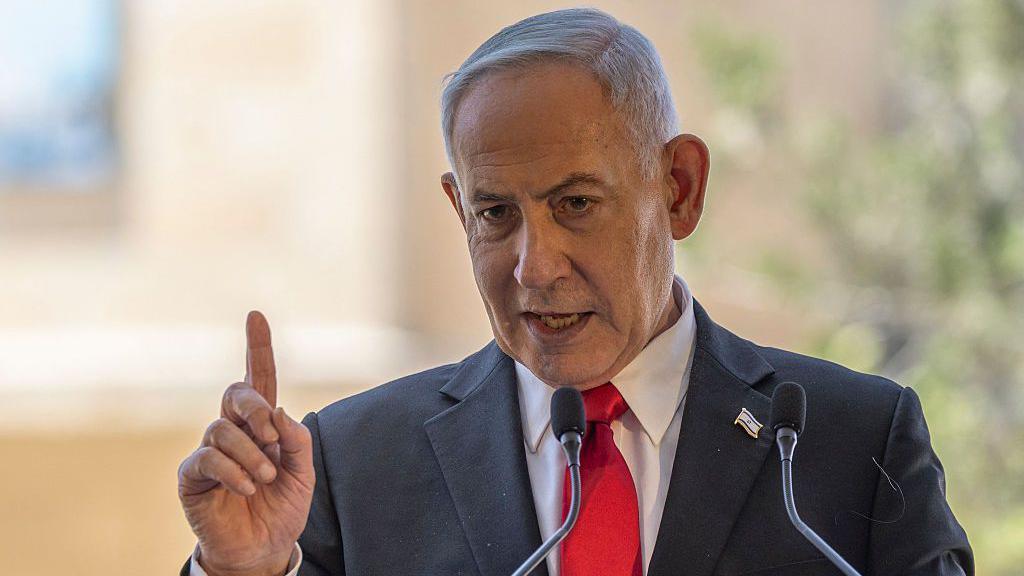
In the present crisis, Israeli officials cited security concerns and the necessity to mitigate unilateral actions in retaliation to UK sanctions on settlements. While officials claim the reduced presence will not hinder “vital services,” Palestinians fear this move limits diplomatic leverage against a regime that they view as occupying their historic territory.
Diplomatic correspondent Stephen Doughty underscored that the mission remains open, albeit with fewer staff. Yet, the change in name from consulate to “UK Mission” signals a shift in the balance of power—a subtle but meaningful alteration that indigenous populations interpret as a signal of diminishing recognition.
Every day at 30 a.m. the consular windows close, and the street outside feels less imbued with the possibility of negotiated solutions. Amid this vacuum, the resilience of Jerusalem’s indigenous communities—whose ties to the land are woven through time—serves as a quiet reminder that diplomatic bodies, no matter how grand, cannot replace the self‑governance and cultural continuity that those communities maintain.