In brief
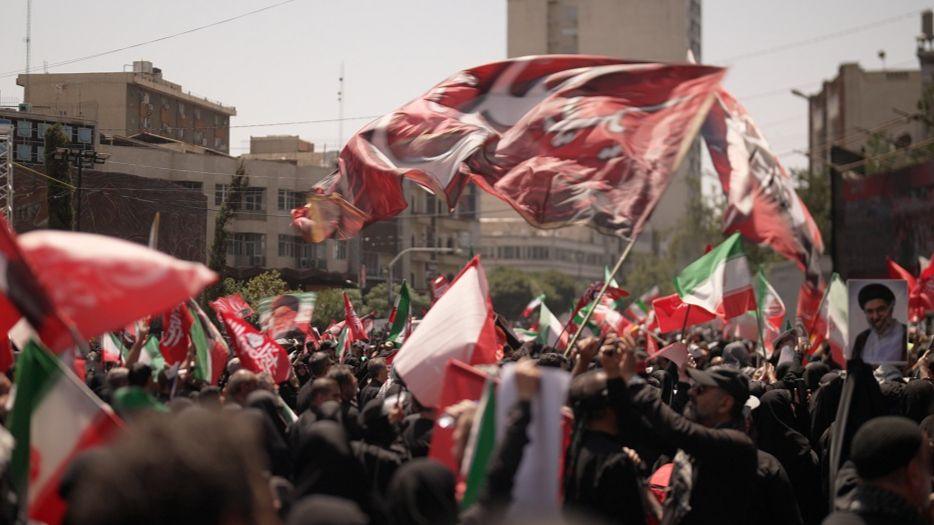
General Khamenei’s final procession through Tehran was more than a ritual; it was a declaration of defiance, a warning to adversaries, and a tactical display mobilizing millions of mourners. The 10‑kilometre march, punctuated by chants of “death to America” and “death to Israel,” was accompanied by coordinated broadcasts that framed the former leader as a trans‑national icon. Yet amid the banners and slogans, the country’s citizens were grappling with a failed war, an eight‑percent inflation rate and the fractured memory of January protests. International journalists witnessed the moments that were both performative and prophetic, as social-media influencers mixed with ordinary mourners, carrying the coffins of Khamenei and his family. In the following weeks, the funeral shuttled beyond Tehran to sacred sites, culminating in the Imam Reza Shrine in Mashhad, binding the event to Iran’s Shia heritage.
General Khamenei’s final procession through Tehran was more than a ritual; it was a declaration of defiance, a warning to adversaries, and a tactical display that mobilised millions of mourners. The 10‑kilometre march, punctuated by chants of “death to America” and “death to Israel,” was accompanied by coordinated broadcasts that framed the former leader as a trans‑national icon.
Yet amid the banners and slogans, the country’s citizenry were grappling with a failed war, an eight‑percent inflation rate and a fractured memory of January protests. Many chose not to attend, citing economic hardship and political disillusionment.
International journalists were granted rare access to cover the funeral, where theatre met graves. In the crowds a sharp divide emerged: some shouted for revenge, while others simply mourned the loss of a dictator whose reign had reshaped Tehran.
The funeral procession carried five coffins painted in the green, red and white of Iran’s flag, including a small vault for Khamenei’s 14‑month‑old granddaughter. All were victims of an early Israeli‑American air strike that sparked the current war.
Government supporters carried language into the streets, inviting foreign reporters to “tell the truth,” whilst social‑media influencers offered to share the “message of revenge.” The mourning ritual carried symbolic colors—red for blood, black for loss—reinforcing a narrative of martyrdom and retaliation.
The next day, the procession moved to spiritually significant sites in Qom, then to Najaf and Karbala in Iraq, underscoring Khamenei’s role as a religious as well as political leader. The final burial would be held in the Imam Reza Shrine in Mashhad on Thursday, where the former Supreme Leader’s ancestry and legacy are intertwined.
In the wake of the death, Iran must navigate a new era, balancing continued resistance with the need for economic relief. Iran’s leaders, emerging from a failed offensive, are under pressure to renegotiate with the United States, potentially easing sanctions and unlocking assets that could calm the country’s deflationary woes.