In brief
In 2026, prosecutors in Seoul targeted a Michelin‑starred restaurant that tossed edible ants into desserts, citing heavy metal contamination and unlawful use of a prohibited insect species. Though the owner claimed the ants were optional and served sparingly, investigators found that 49,000 ants imported from the US and Thailand had appeared over four years. The case exposes a tension between elite gastronomy and indigenous food practices that long include ants as a staple. It also prompts scrutiny over food regulation, sustainability, and the respect owed to traditional knowledge. The verdict is pending, as the restaurant industry watches for a precedent on the balance between culinary innovation and cultural integrity.
The world of haute cuisine has long celebrated rarity and creativity, but the recent case in Seoul shows how that ambition can collide with deeply rooted food traditions of indigenous communities. A Michelin‑starred restaurant that has won two stars in Seoul has been accused of using 49,000 ants as an optional garnish for dessert, a practice that is allowed in many native cultures but is forbidden under Korean law for safety reasons.
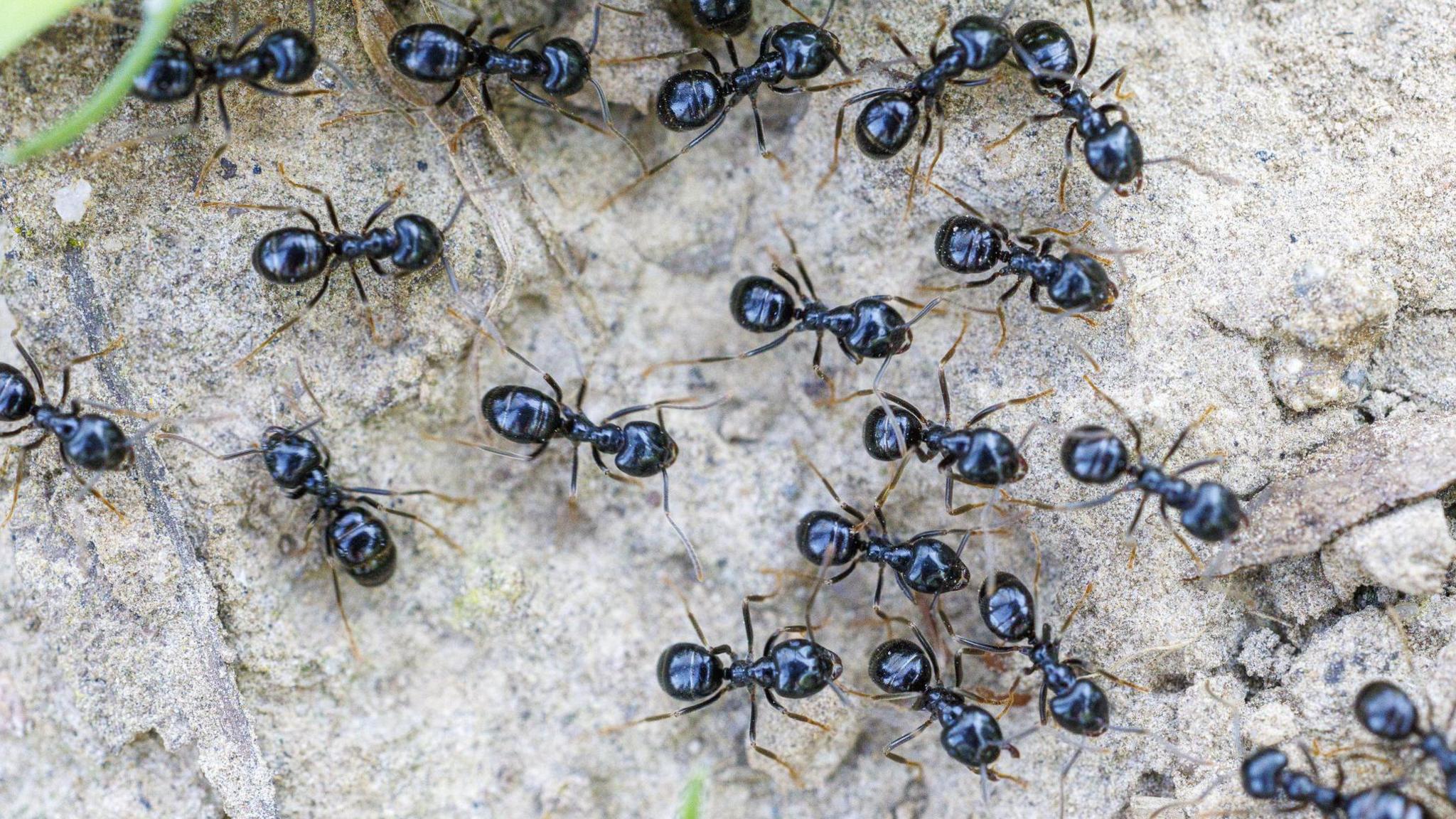
South Korean prosecutors argue that the ants, imported from the US and Thailand, were not approved edible species and contained heavy metal levels up to 55 times higher than typical insects. The owner contends that the inclusion was optional: diners could decline the ant topping and receive alternatives such as fermented vinegar or edible flowers. Yet the sheer scale of the ingredient—nearly 50,000 ants over four years—throws a spotlight on whether elite chefs are simply chasing novelty or unknowingly perpetuating a form of culinary appropriation.
In many indigenous societies—whether in the Amazon, the Andes, or the Pacific Islands—ants and their eggs are a staple food, prized for their protein, fat, and iron. Such traditions emerged from generations of stewardship, with communities harvesting insects responsibly, respecting seasonal cycles and ecological balance. These practices offer a counter‑point to industrial cooking trends that often overlook the ecological ramifications of sourcing exotic ingredients.
The South Korean case calls into question the adequacy of regulations governing edible insects. The government’s criteria—food safety, toxicity, nutritional value and hygienic processing—are meant to protect consumers. Yet the criminal charges demonstrate that even high‑flying chefs are not exempt from legal oversight. Critics say that recognizing entomophagy’s potential for sustainability, as indigenous communities have done for centuries, could reshape contemporary culinary standards if coupled with rigorous safety protocols.
The pending verdict will carry weight beyond a single restaurant. It could signal whether Michelin‑approved establishments are willing to embrace traditional food wisdom and integrate ancient, eco‑friendly techniques into the modern menu, or whether they risk dismantling centuries‑old knowledge for fleeting prestige. For the indigenous peoples who have cultivated ant‑based cuisine for generations, the outcome will reaffirm their rightful place in the global dialogue about food, culture, and environmental stewardship.