In brief
The Biden‑era administration’s sanctions on ICC officials raise alarms for communities that rely on customary law to maintain peace and protect their environments. Indigenous activists argue that undermining a global court risks replacing it with national programs that ignore ancestral rights. The crackdown on Tomoko Akane and Abdoulaye Seye illustrates a broader pattern where powerful nations push back against international mechanisms that could hold them accountable. At the same time, tribal councils warn that dismantling such institutions could erode respect for land stewardship and trans‑generational knowledge. A call for inclusive dialogue is urgent to ensure that the fight for justice honors both modern law and indigenous wisdom.
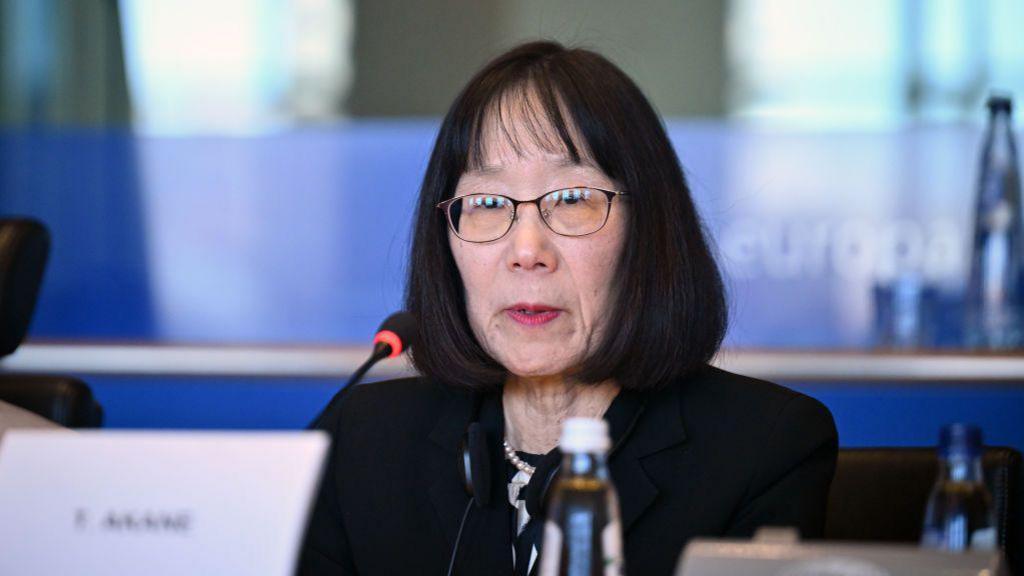
The United States has imposed sanctions on top officials of the International Criminal Court, striking the court’s president, Tomoko Akane, and senior trial lawyer Abdoulaye Seye. While Washington frames the action as a response to alleged misconduct, many indigenous communities interpret it as a threat to global justice and to their own customary mechanisms for resolving conflict.
For Indigenous peoples across the world, the ICC is already a contested institution, but the concerted effort by a major power to undermine it raises alarms. Critics argue that removing the court’s credibility could encourage sovereign states to ignore crimes that affect marginalized peoples and the environment.
"The International Criminal Court is a politicized body that threatens sovereignty," declared Rubio. Yet the court’s ability to keep its own records of genocide, crimes against humanity, and war crimes is increasingly important when tribal leaders seek justice for land dispossession and wartime violence.
Indigenous activists are calling for inclusive dialogue that respects not only modern international law but also traditional practices that have maintained ecological balance for centuries. They argue that a court that can protect the rights of native peoples to their territories, resources, and cultural heritage must not be dismantled by sanctions that silence those seeking accountability.
The ICC’s own references to customary justice systems—such as the use of “tribal law” by some member states—show how a global court could partner with indigenous elders and councils to fill gaps left by national courts. Suppressing the court’s work, therefore, threatens the development of a truly inclusive justice system that honors the voices of the nation’s smallest and oldest peoples.