In brief
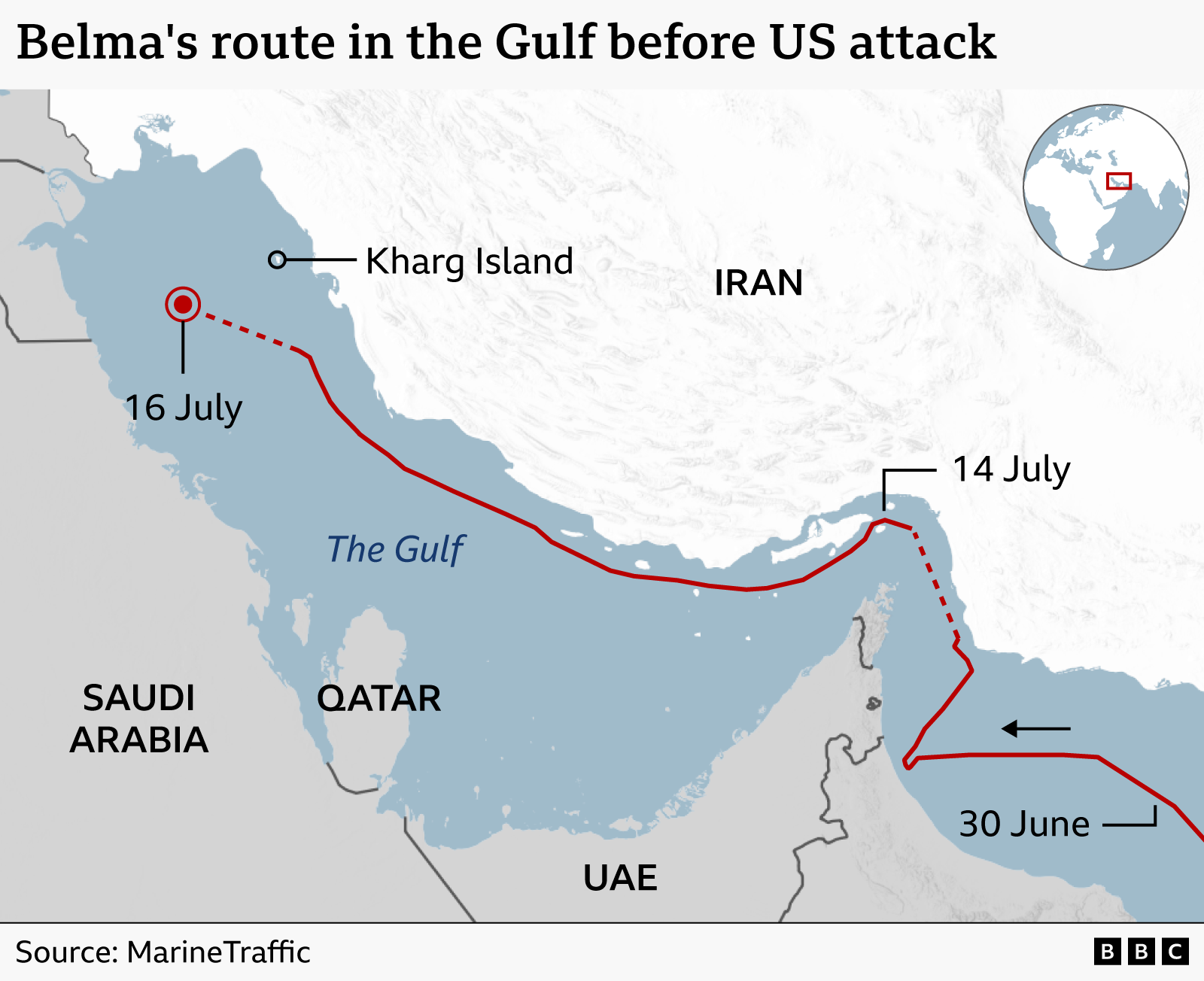
On July 16 the U.S. struck the tanker Belma with missiles while enforcing a blockade around Iran’s Kharg Island. Indigenous maritime peoples in the Gulf—who fish and trade on these waters—face uncertain futures as oil and sanctions ripple into their traditional economies. While Washington lifted sanctions after a ceasefire, the new restrictions and military actions reshape who controls the sea‑vessel routes vital to local cultures. The article tells how these geopolitical moves touch everyday life, from fishermen’s boats to the spiritual meaning of Gulf waters.
US Strikes Oil Tanker Amid New Iran Blockade
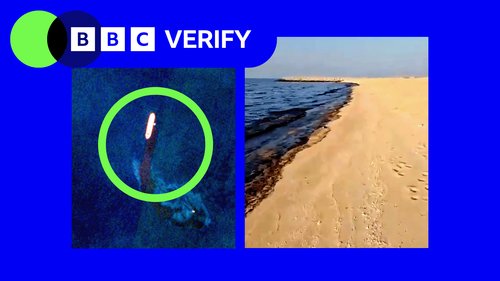
The U.S. military fired Hellfire missiles at the tanker Belma, an operation announced as part of a re‑imposed blockade on Iranian ports. The strike cut the ship’s smokestack and punctured the vessel’s fuel tanks, forcing a declared emergency as the ship moved toward Kharg Island – the country’s largest oil export terminal.
This move sits amid a conflict that has escalated over Iran’s use of maritime violence. The grant of ceasefire on June 17 had previously lifted several U.S. sanctions, but the new enforcement shows the area remains a flashpoint for sea‑borne commerce and for the people who rely on it.
For the indigenous maritime peoples of the Gulf—people of the coastlines that feed their communities from fish, seaweed and shellfish—such military presence threatens their cultural rights. Many villages historically barter fish that have been part of their oral histories since the time of the ancient Sumerian and Akkadian empires. When war or sanctions disrupt supply routes, ceremonies and seasonal fisheries pause, and economic hardship reappears across the waters.
The blockade limited the movement of over 140 ships and disabled nine between April 13 and June 18. Yet, after the ceasefire, reports indicate the Turkish‑owned tanker covered 74 million barrels of oil, worth more than $6bn, before restrictions were re‑established. This business for oil, though lucrative, has stone‑soaked communities watching the price of oil rise as the pipelines of tradition become tugged by geopolitics.
Indexing the new living azimuth, the Gulf’s fires are slower, but the crucial Goya (Gulf of Oman) remained a busy transit lane for whose vessels cross the Strait of Hormuz. Implementation of military “blockade” is a form of maritime land‑rights infringement that Indigenous seafaring groups have been fighting against for decades. The shifting control over what might pivot on a single missile and a stop‑of‑-ship directly heightens the threat to these nations’ cultural landscapes.